Boost Growth: How and When to Repot Your Blue passionflower Plant
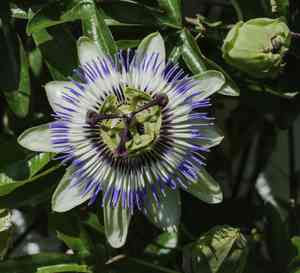
1
The best period to repot your Blue passionflower is in early spring.
2
Select a container that measures 1 to 2 inches (2.5 to 5 cm) wider in diameter than its present one.
3
Properly draining soil is essential for the well-being of your Blue passionflower.
Knowing When to Replant Your Blue Passionflower
Recognizing indicators of root congestion
A thriving Blue passionflower can rapidly become pot-bound, meaning its roots have filled the container and started to coil around the root ball. Signs of root congestion include roots emerging from drainage holes, stunted growth, and wilting foliage despite consistent watering. Early detection of these signs ensures your plant stays healthy and vibrant.
Optimal season for transplanting
The ideal period to transplant Blue passionflower is in early spring. During this time, the plant is initiating its growth cycle, making it more resilient to environmental changes. Repotting at this stage allows the plant a full growing season to recover and establish itself in its new container.
Selecting the Best Container and Substrate for Blue Passionflower
Choosing the appropriate pot size and material
Selecting the correct pot is vital for your Blue passionflower's well-being. A container approximately 2.5 to 5 cm (1 to 2 inches) larger in diameter than its current one is perfect. This size accommodates root expansion without overwhelming the plant. Pot material also matters. Terracotta pots are breathable and excellent for drainage but can dry out quickly. Plastic pots retain moisture longer but risk root rot if overwatered. Ensure any chosen pot has sufficient drainage holes.
The perfect soil blend for robust development
The Blue passionflower flourishes in a well-draining soil mixture. A combination of potting mix, perlite, and organic compost creates an optimal environment for root health. This blend ensures excess water drains away, preventing root rot, while still retaining enough moisture and nutrients to support the plant's growth. Make sure the potting mix is loose and aerated to facilitate root expansion and oxygen flow.
Detailed Instructions for Repotting Blue Passionflower
Preparing your work area and supplies
Before you begin repotting your Blue passionflower, gather all necessary items: a new pot, fresh potting medium, a trowel or small spade, and gardening gloves. Lay down newspaper or a plastic sheet to contain any soil spills, and ensure you're working in a well-lit, airy space. Having everything ready will guarantee a smooth and stress-free repotting process.
Gently extracting the plant from its old container
Carefully remove your Blue passionflower from its current pot. Gently tilt the pot sideways and lightly tap the base to loosen the plant. If the plant is root-bound, you may need to gently separate the roots. Avoid pulling the plant by its stems or leaves to prevent damage. Patience is crucial during this step to preserve the plant's and its roots' integrity.
Root pruning and plant positioning techniques
Once the plant is out of the pot, examine the roots. Trim any overly long or damaged roots with clean, sharp shears. This promotes new growth and helps the plant settle into its new container. Place a layer of fresh potting mix at the bottom of the new pot before centering the plant. Adjust the plant so it sits at the same soil level as it did in the previous pot.
Final soil additions and post-repotting care
Fill in around the plant with more potting mix, gently pressing it down to remove air pockets. Water the plant thoroughly to help settle the soil. Initially, keep the plant away from direct sunlight to minimize stress, and closely monitor its moisture level. The first few weeks are vital as the plant adapts to its new surroundings.
Aftercare: Ensuring a Smooth Transition for Blue Passionflower
Watering schedule after transplanting
Following repotting, your Blue passionflower will require a consistent watering routine. Water the plant thoroughly immediately after transplanting, then allow the top 2.5 to 5 cm (1 to 2 inches) of soil to dry out before watering again. This helps prevent waterlogging and root rot. Over the next few weeks, gradually adjust the watering frequency based on the plant's requirements.
Monitoring plant health and signs of distress
Keep a close watch on your Blue passionflower for any indications of stress, such as yellowing leaves or drooping stems. These could suggest the plant is not adjusting well to its new pot. If you notice any issues, check the soil moisture and consider the light conditions. Placing the plant in a stable environment with adequate indirect light aids in faster recovery. Regular inspection of the plant ensures you can address any problems early on and maintain its health.



