Boost Growth: How and When to Repot Your Golden shrimp plant Plant
1
The optimal time for transplanting is in late winter or early spring to reduce stress on the plant.
2
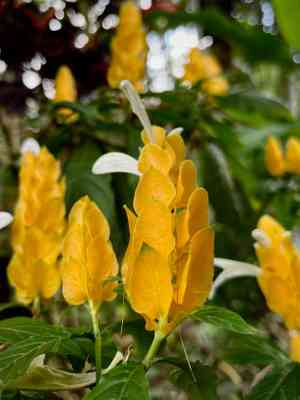
The golden shrimp plant is recognized by its prominent yellow, shrimp-shaped floral bracts.
3
Roots that are too dense frequently indicate that your plant needs to be repotted.
The Importance of Repotting Your Golden Shrimp Plant
Fostering Robust Development
Repotting your Golden shrimp plant is crucial for encouraging strong and healthy growth. Over time, plants deplete the nutrients in their soil, and repotting provides a fresh supply of these vital elements. Additionally, a new container offers more room for roots to expand, supporting overall stronger, healthier development.
Preventing Root Congestion
Plants can become root-bound as they mature, leading to crowded roots that cannot absorb water or nutrients effectively. Repotting helps prevent this issue by giving roots more space to grow. This is especially important for the Golden shrimp plant, which can suffer significantly if its roots are too constricted.
Improving Nutrient Absorption
Old soil tends to lose its structure and nutritional value over time. By repotting your Golden shrimp plant, you refresh its nutrient source, which boosts its overall capacity to take in water and essential minerals. This results in more vibrant foliage and healthier blooms.
Determining When to Repot Your Golden Shrimp Plant
Assessing Root Condition
Periodically inspect the root condition of your Golden shrimp plant. If you observe roots emerging from the drainage holes, it's a clear indication that your plant requires repotting. Gently remove the plant from its pot to examine the roots; if they are tightly coiled in a circular pattern, it's definitely time for a larger home.
Monitoring Growth Rate and Plant Dimensions
Keep an eye on your plant's growth rate and overall size. If your Golden shrimp plant appears top-heavy or is growing more slowly than usual, it might be outgrowing its container. These signs suggest that the plant needs more room to thrive.
Noticed Signs of Plant Distress
Indicators of stress, such as wilting leaves, yellowing foliage, or poor flowering, may suggest that your plant is suffering from being root-bound. These are signals that you should consider repotting your Golden shrimp plant to provide it with a healthier environment.
Selecting the Appropriate Soil and Pot for Your Golden Shrimp Plant
Choosing the Correct Soil Blend
Your Golden shrimp plant flourishes in a well-draining, nutrient-rich organic potting mix. A blend that retains sufficient moisture while allowing excess water to escape is ideal. Look for a high-quality potting soil containing organic matter, such as compost or peat moss, to ensure optimal growth.
Finding the Suitable Pot Size and Material
When selecting a new pot, ensure it is 2-5 centimeters (1-2 inches) wider in diameter than the current one. This will provide roots with space to grow without overwhelming the plant. Terracotta or ceramic pots are excellent choices as they offer good airflow to the roots, but plastic pots can also work if they have adequate drainage.
Step-by-Step Repotting Procedure for Your Golden Shrimp Plant
Carefully Removing the Plant
Begin by gently loosening the soil around the pot's edges. Tilt the pot slightly and carefully slide the plant out, supporting the base and root system. Be careful not to yank or pull the plant abruptly, as this can harm its roots.
Preparing the New Container
Fill the bottom of your new pot with a layer of fresh potting soil. Create a small mound in the center to help position the plant at the correct height. Ensure that the plant will sit at the same depth as it was in its previous pot.
Replanting and Soil Adjustment
Place your Golden shrimp plant in the prepared pot, gently spreading out the roots over the soil mound. Fill in around the plant with more potting mix, firming it lightly to remove air pockets. Water the plant thoroughly to help settle the soil.
Post-Repotting Care
After repotting, keep your Golden shrimp plant in a warm, shaded area for a few days to allow it to recover. Water it regularly but avoid overwatering. Gradually reintroduce it to its usual location, ensuring it receives adequate light and care.
Common Errors to Avoid When Repotting Golden Shrimp Plant
Using the Wrong Soil Type
Avoid using dense garden soil or poorly draining mixes. These can cause waterlogging and damage the roots of your Golden shrimp plant. Always opt for a well-drained, high-quality potting mix suitable for houseplants.
Choosing a Pot with Inadequate Drainage
Ensure that the new pot has sufficient drainage holes to prevent water from accumulating at the bottom. Poor drainage can lead to root rot and other issues that can severely impact your plantâs health.
Excessively Disturbing the Roots
While itâs important to loosen the roots, avoid excessively shaking or tearing them. Overhandling can stress the plant and hinder its ability to establish in the new pot.



