Boost Growth: How and When to Repot Your Money tree Plant
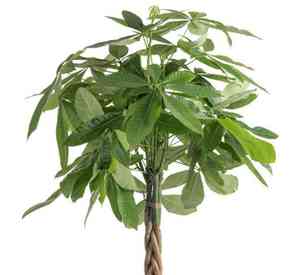
1
Transplanting your Money tree in spring or winter allows it to begin the active growth period anew.
2
Select a container that is 2.5-5 cm (1-2 inches) wider than its existing one to encourage prime development.
3
Verify the fresh potting medium offers superb drainage to maintain robust roots.
Why Repot Your Money tree?
Promoting healthy growth and avoiding root-bound issues
Transplanting your Money tree, known as Pachira glabra, is crucial for encouraging vigorous development. A root-bound plant, where roots have filled its container, limits the plant's capacity to absorb water and nutrients effectively. This poor state can be seen as roots encircling the soil or emerging from drainage holes. Once repotted, roots gain ample room to expand, enabling the plant to thrive.
Enhancing nutrient uptake for lush, vibrant leaves
Upon repotting, your Money tree benefits from new soil rich in vital nutrients. Over time, the soil's nutrients diminish, making it harder for the plant to maintain abundant, vivid foliage. Repotting restores the plant's nutrient supply, ensuring it continues to produce healthy leaves. Fresh soil also balances pH, which is essential for nutrient absorption.
Renewing soil and providing fresh resources
Repotting provides an excellent chance to replace old, compacted soil with new, well-draining soil. As potting mix ages, it can become dense, reducing its effectiveness in supporting water and oxygen flow to the roots. By repotting, you're giving your Money tree a fresh start and rejuvenating its growth resources, promoting overall vitality.
When is the Best Time to Repot?
Identifying signs that it's time to repot
Knowing when to transplant your Money tree can significantly impact its health. Key indicators that it may be time include stunted growth, roots emerging from drainage holes, or the plant becoming top-heavy and easily toppling. Additionally, if water drains quickly through the pot without absorption, it's a clear sign of crowded roots and a need for soil renewal.
Optimal seasons for repotting Money tree
The ideal periods to repot your Money tree are during spring or winter. Spring, being a time of new development, allows the plant to quickly adapt to its new surroundings and develop strong roots. Winter, conversely, when the plant is more dormant, minimizes stress from the transition. Avoid repotting in summer during active growth or in fall when growth begins to slow.
Choosing the Right Pot and Soil
Finding the ideal pot size and material
Selecting the appropriate container for your Money tree is vital. Choose a pot that is 2.5-5 cm (1-2 inches) larger in diameter than your current one. This provides sufficient space for root expansion without being excessively large, which can lead to water retention issues. The pot's material is also important. Terra cotta pots are excellent as they allow soil to dry out more efficiently between waterings, while plastic pots retain moisture for longer durations.
Selecting soil that ensures proper drainage and support
Your Money tree thrives in soil that drains well. Opt for a premium potting mix specifically formulated for indoor plants. The soil should include components like perlite or sand to enhance drainage. Avoid garden soil, as it is too dense and can retain excessive moisture, leading to root rot. A good mix supports both drainage and aeration, keeping roots healthy and oxygenated.
Step-by-Step Guide to Repotting Your Money tree
Preparing your workspace and gathering necessary tools
Before you begin, set up a clean work area with all required items, including a new container, fresh potting medium, pruning shears, and gloves. Laying down newspaper or a tarp can help manage any mess. Having everything ready beforehand makes the repotting process smoother and less stressful for both you and the plant.
Carefully removing the Money tree from its current pot
To take your Money tree out of its current pot, gently tilt the pot sideways and carefully slide the plant free. Refrain from pulling on the trunk. If the plant is resistant, you can gently tap the sides of the pot or run a knife around its edge to loosen the soil. Handle the plant delicately to prevent damage to its sensitive root system.
Inspecting and trimming the roots if necessary
Once removed from its pot, examine the root system. Healthy roots should appear white or light tan and feel firm. If you find dark, mushy, or foul-smelling roots, remove them using sterilized scissors or pruning shears. Trimming these unhealthy roots promotes new root growth and helps prevent diseases.
Positioning the plant in the new pot and adding soil
Place a layer of fresh soil at the base of the new pot. Center your Money tree and gradually add more soil around it. Ensure the root ball is covered and the plant stands upright. Gently pat the soil to eliminate air pockets, but be careful not to over-compact it, as this can impede root development.
Final touches: Watering and placement post-repot
After repotting, thoroughly water your Money tree. This helps settle the soil around the roots. Be careful not to overwater; allow excess water to drain from the bottom. Position the plant in an area with bright, indirect light. Avoid direct sun for a few days to allow it to adapt to its new environment.
Aftercare Tips
Watering schedule adjustments
Following repotting, modify your watering routine to suit the requirements of the freshly transplanted Money tree. The initial few weeks after repotting are critical as the plant is more susceptible. Check soil moisture regularly, and water only when the top 2.5-5 cm (1-2 inches) of soil are dry. This prevents overwatering and root rot.
Monitoring for stress and facilitating acclimatization
Observe your Money tree for signs of stress, such as yellowing leaves or wilting. Some plants may need time to adapt to their new surroundings. To aid acclimatization, maintain consistent care practices—adequate lighting, proper humidity levels, and regular misting can all support the plant’s transition and encourage robust growth.



