Boost Growth: How and When to Repot Your Drooping prickly pear Plant
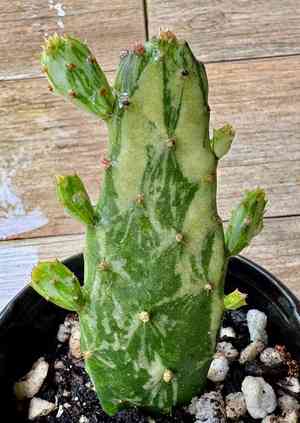
1
The best times to transfer your Drooping prickly pear to a new container are during spring and fall.
2
Confirm the updated planter offers adequate drainage to avoid root decay.
3
Utilize a growing medium formulated specifically for cacti and succulents.
The Importance of Repotting Your Drooping Prickly Pear
Understanding the Drooping Prickly Pear's Growth Habit
The Drooping prickly pear is a robust cactus known for its distinctive pendulous branches. Grasping its growth pattern is key to providing optimal maintenance. Typically, this specimen experiences considerable development during warmer periods. As it expands, its root system may outgrow its current container, which can hinder future growth and overall vitality.
Indicators for a Pot Upgrade
Several clear signals suggest your Drooping prickly pear requires repotting. If you observe roots emerging from the drainage apertures, or if the plant becomes unstable and frequently overturns, it's time for a larger vessel. Moreover, if growth has noticeably slowed despite ideal care, the roots might be constricted, necessitating a new, more spacious pot.
Choosing the Optimal Container and Substrate
Selecting the Appropriate Pot Size and Composition
When choosing a new vessel for your Drooping prickly pear, its dimensions and material are vital considerations. Opt for a pot slightly larger than the current one, but steer clear of overly large containers which can retain excessive moisture, leading to root decay. Terracotta or ceramic pots are excellent as they promote superior aeration and moisture regulation. Ensure it possesses sufficient drainage holes for proper water outflow.
Ideal Soil Mixture for Drooping Prickly Pear
The Drooping prickly pear flourishes in a well-draining soil blend, crucial for preventing waterlogging and root rot. A cactus or succulent-specific substrate works best, as it typically contains sand, perlite, or pumice, which aids in drainage. For a homemade blend, mix standard potting soil with sand or perlite in a 2:1 ratio.
Pre-Repotting Preparations
Assembling Your Materials
Before commencing the repotting procedure, gather all necessary items: the new container, suitable soil mix, gardening gloves, a small gardening spade, and, if needed, sharp shears for root trimming. Having everything readily available will streamline the repotting process and minimize plant stress.
Safely Removing Your Plant
Gently extracting your Drooping prickly pear from its existing pot demands care. First, lightly water the plant a few days prior to repotting to facilitate easier removal. Wearing gardening gloves to shield your hands from spines, carefully tilt the pot onto its side and tap it to loosen the soil. Slowly and gently slide the plant out, supporting the base to prevent damage.
Detailed Repotting Procedure
Discarding Old Soil and Examining Roots
Once the plant is removed from its old container, carefully brush off as much old soil as possible without harming the roots. Inspect the roots for any indications of rot or illness. Healthy roots are pale and firm, whereas decaying ones appear soft and brown. Prune any unhealthy roots with sanitized scissors to stimulate new, robust root growth.
Positioning the Drooping Prickly Pear in Its New Pot
Layer the bottom of the new pot with a fresh soil blend. Center the Drooping prickly pear in the container, making sure it sits at the same depth as in its previous pot. Add more soil around the plant, gently pressing it down to eliminate air pockets, but be careful not to compact it excessively.
Finishing Touches and Initial Care After Repotting
After positioning the plant and filling the pot with soil, provide a light watering to settle the substrate. Place the plant in a shaded location for approximately one week to assist its adjustment to the new pot. Avoid heavy watering during this period to allow any root injuries to mend. Gradually return it to its usual sunny spot.
Post-Repotting Care for Your Drooping Prickly Pear
Effective Watering Practices
After repotting, proper hydration is crucial. Water the plant thoroughly yet infrequently, allowing the soil to dry out completely between waterings. Excessive watering is a common error that can lead to root rot, so always check soil moisture before hydrating. During the growth phase, water more often, and reduce irrigation during the dormant winter months.
Adapting Light and Temperature Conditions
The Drooping prickly pear thrives in bright, indirect sunlight. Post-repotting, shield it from intense afternoon sun for the initial few weeks. An optimal ambient temperature range is between 18-24°C (65-75°F). If kept outdoors, ensure the plant is protected from extreme temperatures and frost during chilly nights.



