Boost Growth: How and When to Repot Your Eastern prickly pear Plant
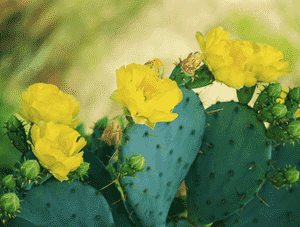
1
The Eastern prickly pear flourishes in diverse soil compositions, favoring those that drain effectively.
2
The best times to transplant the Eastern prickly pear are during the Spring and Fall.
3
Eastern prickly pear, a cactus species, is well-adapted to arid environments yet still needs consistent attention.
Why Replant Your Eastern prickly pear?
Understanding the growth pattern of Eastern prickly pear
The Eastern prickly pear is a robust cactus that develops in phases, exhibiting slower growth during colder periods and more vigorous expansion in warmer seasons. Grasping this growth pattern is vital for identifying optimal times for repotting. As the plant matures, it requires increased space and fresh substrate to absorb nutrients, making transplantation a crucial step for its health and longevity.
Indicators suggesting the necessity for replanting
Several signs point to your Eastern prickly pear needing a new pot. These include roots emerging from drainage openings, stunted development, and nutrient depletion in the soil. Furthermore, if the plant starts to lean or outgrows its current container, it's time to provide it with more room to expand.
Selecting the Appropriate Container and Substrate for Your Eastern prickly pear
Choosing an adequate pot size and material
Picking the correct pot is essential. A container approximately 2-3 cm (1 inch) wider than the current one will offer your Eastern prickly pear sufficient room to grow. Terracotta pots are ideal as they facilitate better air circulation and prevent water retention, which is vital for a cactus. Ensure the pot has drainage holes for excess water to escape.
The optimal soil mixture for thriving growth
The Eastern prickly pear flourishes in well-draining soil. A cactus blend, typically comprising sand, perlite, and a small amount of organic matter, works perfectly. You can also formulate your own mix by combining 1 part potting soil, 1 part sand, and 1 part perlite or pumice. This blend ensures roots don't remain overly moist, preventing root decay.
Step-by-Step Guide to Replanting Eastern prickly pear
Preparing your workspace and gathering essential tools
Before commencing, prepare your work area by spreading newspaper or a tarp to catch any spilled soil. Collect all necessary implements, including protective gloves, a small shovel, fresh potting mix, and a new container. Gloves are especially important to shield your hands from the cactus's spines.
Safely extracting the plant from its current container
To remove the Eastern prickly pear, gently tilt the pot sideways and carefully ease the plant out. If the plant is stuck, tap the pot's sides or use a thin blade around the rim to loosen the soil. Be patient; forcing the plant out can harm its roots.
Inspecting and trimming roots as needed
Once the plant is out of its pot, examine the roots. Healthy roots should appear white or light brown. Trim away any dead or decayed roots with sanitized shears. This action can enhance the plant's capacity to absorb water and nutrients in its new home.
Positioning the plant in the new pot with fresh substrate
Place a layer of new soil at the bottom of the fresh pot before centering the Eastern prickly pear. Fill in around the plant, ensuring it is upright and centered. Gently press the soil down to eliminate air pockets, but avoid compacting it too firmly.
Proper post-care to ensure successful adjustment
After replanting, place the Eastern prickly pear in a shaded location for a few days to allow it to recover from the transplant shock. Water sparingly during the initial week. Gradually reintroduce it to its usual sunny spot and resume regular care routines.
Tips for Ongoing Maintenance of Eastern prickly pear After Replanting
Watering schedule modifications post-transplantation
Following replanting, adjust your watering routine. The Eastern prickly pear doesn't require as much water immediately after being moved. Allow the soil to completely dry out between waterings to prevent root rot.
Monitoring for signs of distress and indicators of recovery
Observe your plant for any signs of stress, such as wilting or discoloration. With appropriate care, your Eastern prickly pear should exhibit signs of recovery within a few weeks, including firm, plump pads and new growth.



