Boost Growth: How and When to Repot Your Spiny pincushion cactus Plant
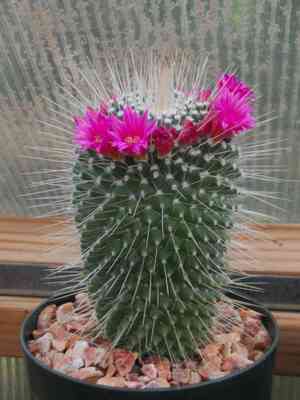
1
The best periods to transfer your Spiny pincushion cactus to a new pot are in Spring and Fall.
2
A cactus that has been correctly repotted often displays improved development and vitality in a matter of weeks.
3
Employing the appropriate potting medium is essential for a successful repotting endeavor.
Why Replant Your Spiny pincushion cactus?
Recognizing the Indicators: When Does Your Cactus Require Replanting?
Replanting your Spiny pincushion cactus might appear challenging, but it's crucial for its vitality and development. You can determine when it's time to replant your cactus by observing several key signals. Firstly, if you notice the roots emerging from the drainage openings or coiling around the container, it indicates your cactus needs more room. Additionally, if your cactus's growth has slowed or if it seems unstable and easily topples, these are also signs it's time for a new container.
Advantages of Replanting: Boosting Growth and Health
Replanting your Spiny pincushion cactus offers numerous advantages. Fresh substrate provides new nutrients that the plant may have used up, fostering healthier and more robust growth. Furthermore, replanting can prevent root decay and other ailments, enhancing your cactus's overall well-being. It also allows for a closer examination of the root system, making it simpler to identify and address any problems early on.
Selecting the Appropriate Materials for Replanting
Choosing the Correct Container Size and Type
Selecting the right container for your Spiny pincushion cactus is vital. Opt for a pot that is slightly larger than the current one – typically 2.5 to 5 centimeters (1 to 2 inches) wider. Ensure the container has ample drainage holes to prevent water from accumulating at the bottom, which can lead to root rot. Terracotta pots are an excellent choice for cacti because they are porous and allow excess moisture to evaporate quickly.
Recommended Soil Mixture and Other Necessities
Utilizing the correct soil mixture is essential for a successful replanting process. A well-draining cactus blend is ideal for your Spiny pincushion cactus. You can create your own mix by combining potting soil, coarse sand, and perlite in equal proportions. Additionally, prepare a pair of sturdy gloves for safely handling your cactus and a small trowel for transferring it into the new container.
Detailed Instructions for Replanting Your Spiny pincushion cactus
Preparing Your Cactus and Work Area
Before you begin replanting, ensure your cactus is slightly dry. This will make it easier to remove from its container. Prepare your work area by spreading old newspapers or a plastic sheet to catch any spilled soil. Wear thick gloves to protect your hands from the cactus's spines.
The Replanting Procedure: A Comprehensive Guide
Start by gently tilting the cactus pot to the side and tapping the edges to loosen the soil. Carefully lift the cactus out of the container. If the plant is stuck, you might need to use a dull knife to gently separate the soil from the pot. Once removed, inspect the roots for any signs of decay or disease. Trim any damaged roots with sterilized shears. Fill the new pot with a few centimeters (inches) of soil mix, place the cactus in it, and fill around the roots with soil, ensuring the plant is stable.
Post-Replanting Care: Ensuring a Smooth Adjustment
After replanting your Spiny pincushion cactus, avoid watering it immediately to prevent root rot. Wait approximately one week before providing a light watering. Place the cactus in a shaded location for a few days to help it acclimate to the new pot before returning it to its usual sunny spot. Monitor the plant closely for any indications of stress or illness and adjust care as needed.
Addressing Common Issues During Replanting
Managing Decay and Other Root Problems
Decay can be a significant problem for cacti, often resulting from overwatering or inadequate drainage. If you observe any brown or black, soft roots during replanting, trim them off with sterilized shears. Allow the trimmed roots to dry and harden before placing the cactus in the new soil. This will help prevent the spread of decay.
Handling Spines and Safe Manipulation Tips
Handling a Spiny pincushion cactus carries the risk of pricking yourself on its sharp spines. Always wear thick gloves to protect your hands. You can use a folded newspaper or specialized cactus handling tools to grasp and move the cactus without causing damage. Proceed with patience and caution to minimize any injury to both yourself and the plant.



