Boost Growth: How and When to Repot Your Edging lobelia Plant
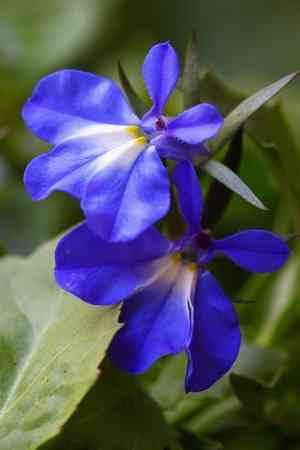
1
For Edging lobelia, repotting is best performed during the spring or winter seasons.
2
Observe indicators such as roots circling the pot or degraded soil quality to assess the need for repotting.
3
Confirm the new container offers adequate drainage to avoid root decay.
Knowing When to Replant Your Edging Lobelia
Recognizing indicators that your Edging lobelia requires a new container
A primary sign your Edging lobelia might need repotting is root congestion. When roots emerge from drainage holes or encircle the pot's interior, it's time for a larger vessel. Another clue is the soil drying out unusually fast, suggesting the current pot can't retain enough moisture for the expanding root system.
How growth patterns influence repotting frequency
The growth habits of Edging lobelia significantly impact repotting needs. If your plant exhibits slower-than-normal growth or appears unhealthy despite proper care, the soil's nutrients may be depleted. Regular repotting every one to two years ensures fresh soil and ample space for robust development.
Seasonal considerations for transplanting
Selecting the correct season is crucial for successful repotting. The best times to repot Edging lobelia are during spring or winter. Spring repotting allows ample growing time throughout the active season, while winter repotting minimizes stress as the plant's growth is naturally reduced.
Selecting the Right Container and Substrate for Your Edging Lobelia
Choosing the appropriate pot size and material
When picking a new pot, select one approximately 2-5 cm (1-2 inches) wider in diameter than the existing one. This additional space accommodates growth without overwhelming the plant. Consider materials like terracotta, which offer superior breathability, aiding in moisture regulation for the roots.
The ideal soil mixture for Edging lobelia health and development
The soil blend is vital for Edging lobelia. Opt for a well-draining potting mix containing organic matter such as peat moss and compost. This provides essential nutrients while allowing excess water to escape, preventing root rot.
The importance of drainage in preventing root problems
Effective drainage is critical for healthy roots. Ensure the new pot has drainage holes at the bottom. You can also add a layer of gravel or small stones at the pot's base to further enhance drainage, preventing water from accumulating around the roots.
Step-by-Step Guide to Replanting Edging Lobelia
Preparing your work area and gathering necessary supplies
Before beginning, collect all required tools: a new pot, fresh potting soil, a small trowel, and gloves. Set up a clean workspace, ideally outdoors or in an area where soil spills can be easily cleaned.
Carefully extracting the plant from its current container
Gently turn the existing pot sideways and tap the bottom to loosen the soil. Carefully slide the plant out, holding the base lightly to avoid damaging stems or roots.
Root examination and trimming (if needed)
Inspect the roots for any signs of decay or disease. Healthy roots should be white and firm. Trim away any black, brown, or mushy roots with sterilized scissors to prevent disease spread to the new soil.
Positioning the plant in the new container
Place a layer of fresh soil at the bottom of the new pot. Center your Edging lobelia and ensure it sits at the same depth as it was in the old pot. Adjust the soil underneath if necessary.
Filling with soil and providing adequate water
Fill in around the plant with fresh soil, gently pressing down to remove air pockets. Water thoroughly until water drains from the bottom, ensuring the plant settles into its new environment.
Post-Replanting Care for Edging Lobelia
Appropriate watering regimen after repotting
Following repotting, keep the soil consistently moist but not waterlogged. The initial few weeks are crucial as the plant adapts to its new surroundings. Avoid allowing the soil to dry out completely.
Monitoring your Edging lobelia for signs of stress
Observe for indications of transplant shock, such as wilting, yellowing foliage, or stunted growth. These can suggest your Edging lobelia is struggling to adapt. If noticed, ensure optimal conditions and avoid over-watering.
Tips for providing ideal light and temperature conditions
Place your newly repotted Edging lobelia in a location with bright, indirect illumination. Avoid direct sunlight, which can scorch the leaves. Maintain a temperature range of 15-24°C (60-75°F) to help your plant flourish during its adjustment period.



