Boost Growth: How and When to Repot Your Common rush Plant
1
The best period to transplant Common rush is in Spring, though Winter is also appropriate.
2
Roots that are too dense indicate your Common rush requires a new pot.
3
For repotting, select a container 5-10 centimeters (2-4 inches) wider in diameter than its present one.
Why Replant Your Common rush?
Understanding growth patterns and space needs
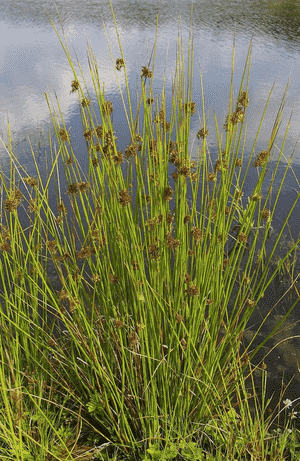
The Common rush is a perennial species frequently found in wetlands and areas with abundant water. It tends to grow densely, forming thick clumps of grass-like stems. As the plant matures, it requires more room to accommodate its expanding root system and overall size. Recognizing the Common rush's vigorous growth pattern is vital for its prosperity, and providing sufficient space is a key aspect of this process.
Spotting signs that indicate a need for repotting
Identifying when to repot your Common rush can be straightforward if you watch for specific indicators. One of the most obvious signs is when the roots begin to encircle the pot's edge or emerge from the drainage holes. Additionally, if you notice water draining too rapidly or the plant becoming top-heavy, it's a clear signal that the plant requires a larger container.
Benefits of repotting for plant health
Repotting the Common rush offers several advantages, including improved root development and enhanced nutrient availability. It helps revitalize the soil, supplying essential nutrients and fostering healthier growth. Furthermore, repotting facilitates better water drainage, reducing the risk of root rot and other diseases, thereby extending your plant's lifespan.
When Is the Best Time to Repot Common rush?
Considering the best seasons for repotting
The optimal time to repot a Common rush is during Spring, which coincides with its active growth phase. This timing allows the plant to establish itself in its new container before the growing season fully commences. Alternatively, Winter can also be a suitable period as the plant is dormant and less likely to suffer from repotting shock.
Monitoring the plant's lifecycle
Understanding the natural lifecycle of the Common rush can guide you in selecting the ideal repotting time. Observing the plant for signs of active growth or dormancy will help you pinpoint the perfect window for repotting, maximizing the procedure's success rate.
Choosing the Right Pot and Soil for Common rush
Selecting the appropriate pot size and material
When repotting your Common rush, choose a pot that is 5-10 centimeters (2-4 inches) larger in diameter than its current one. Ensure the pot has drainage holes to prevent waterlogging. Pots made of terracotta or plastic are generally good choices; terracotta allows the soil to 'breathe', which can benefit the plant roots.
Identifying the best soil mixture for healthy growth
The Common rush thrives in soil that retains moisture yet provides good drainage. A blend of standard potting soil combined with a portion of sand or perlite works well. This mix ensures the soil holds enough water to keep the plant hydrated while preventing excess water from accumulating around the roots.
How to Repot Common rush: Step-by-Step Process
Preparing your tools and workspace
Before you begin the repotting process, gather all necessary tools, including gloves, a trowel, a new pot, and fresh soil. Prepare your workspace by laying down newspapers or a plastic sheet to catch any spilled soil. Having everything ready will make the process smoother and more efficient.
Removing Common rush from its current pot safely
Start by gently loosening the soil around the pot's edges, using a trowel or your fingers. Hold the plant at its base and carefully lift it out. Take care not to pull too hard or damage the roots during this process.
Examining and trimming the roots, if necessary
Once the Common rush is out of its pot, inspect the roots. If they show signs of being root-bound, such as circling around the root ball, gently untangle them. Trim any excessively long roots or those that appear damaged to encourage healthy growth in the new pot.
Positioning the plant in the new pot and backfilling with soil
Place a layer of soil at the bottom of the new pot before positioning your Common rush. Hold the plant upright and fill in around the sides with fresh soil, ensuring it is evenly distributed but not too tightly packed. Water the plant thoroughly once the soil is in place.
Caring for Common rush post-repotting
Post-repotting care is crucial to ensure your Common rush adapts well to its new environment. Water the plant regularly to help it settle but avoid overwatering. Keep it in a location where it receives adequate light, and monitor its progress over the next few weeks, looking out for any signs of stress.



