Boost Growth: How and When to Repot Your Sweet potato vine Plant
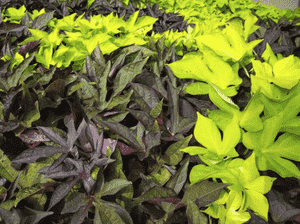
1
The best period to transfer your Sweet potato vine to a new container is early spring.
2
Containers featuring sufficient drainage openings help avoid root decay.
3
New potting mix supplies vital nourishment and enhances the plant's well-being.
Why Replant Your Sweet potato vine?
Promoting robust development by supplying new substrate
Replanting your Sweet potato vine is crucial for its healthy development. Fresh substrate guarantees the plant receives a renewed supply of vital nutrients that the old soil might lack. Over time, the growing medium can become compressed and lose its nutritional value. A new potting mix, rich in organic matter, enables the roots to respire and absorb nutrients more effectively.
Increasing container size to accommodate root expansion
As your Sweet potato vine matures, its root system requires additional room to spread. If the plant remains in a small container for too long, it can become root-bound, where the roots encircle themselves, hindering growth. Enlarging the pot size can provide the necessary space for the roots to extend, leading to a more robust and thriving plant.
Enhancing overall plant vitality and strength
Regular replanting can significantly boost the overall health and vigor of your Sweet potato vine. It allows you to examine the roots for any indications of disease or damage, providing an opportunity to prune and cleanse them. This process improves the plant's well-being, making it more resistant to pests, illnesses, and environmental stressors.
When Is the Optimal Time to Replant Sweet potato vine?
Identifying indicators of root-bound conditions
A clear sign that it's time to replant your Sweet potato vine is if it becomes root-bound. You might observe roots emerging from the drainage holes or the plant struggling with nutrient absorption despite regular feeding. In such instances, replanting becomes essential to provide the plant with more space to grow and flourish.
Selecting the ideal season for replanting
The best period to replant a Sweet potato vine is early spring. During this time, the plant emerges from dormancy and enters its active growth phase. Replanting in early spring gives the vine ample time to establish itself in the new container before the main growing season commences.
Considering the plant's developmental cycle
Understanding the growth cycle of your Sweet potato vine is vital. Typically, this vine grows rapidly during warmer months and slows down during colder periods. Replanting during its active growth phase (spring and early summer) ensures the plant quickly adapts to the new environment and continues to thrive.
Choosing the Appropriate Container and Substrate for Your Sweet potato vine
Selecting a container with sufficient drainage
Choosing the correct container is a crucial step in replanting. Ensure the pot has adequate drainage holes to prevent waterlogging, which can lead to root rot. A container with multiple holes at the base allows excess water to escape, keeping the soil suitably moist but not saturated.
Understanding the significance of pot composition
When choosing a container, consider its material. Terracotta pots are porous and can help prevent overwatering, while plastic pots retain moisture longer. Select based on your watering habits and the environmental conditions in your home or garden. For Sweet potato vines, a material that offers a balance in moisture retention and breathability is optimal.
Choosing the correct soil mixture for optimal development
The soil mixture should be well-draining yet rich in organic matter. A blend specifically formulated for container gardens or indoor plants often works well. You can also create your own mix using equal parts potting soil, perlite, and compost. This combination supports healthy root growth by supplying the necessary nutrients while preventing water retention issues.
Step-by-Step Guide to Replanting Sweet potato vine
Preparing your work area and gathering necessary implements
Before you begin, collect all the required tools: a new container, fresh soil mix, a small hand trowel, pruning shears, and water. Set up a clean workspace where you can easily manage soil spills and access your tools.
Gently extracting the plant from its current container
To remove the Sweet potato vine, invert the pot and gently tap the bottom while supporting the plant's base. Carefully slide the plant out, taking care not to harm the roots. If the plant is stuck, use a trowel to loosen the soil around the edges.
Inspecting and pruning the roots, if required
Once the plant is out of the container, examine the roots. Trim any dead or damaged roots with clean pruning shears. If the roots are severely tangled, gently untangle them to encourage better growth in the new pot.
Positioning the plant in the new container and adding substrate
Place a layer of fresh soil at the bottom of the new pot. Center the plant and fill the container with soil around the roots, pressing gently to eliminate air pockets. Ensure the plant is at the same soil level it was previously growing at.
Thoroughly watering after replanting
After replanting, water the plant thoroughly to help settle the soil around the roots. Ensure the water drains from the bottom to prevent waterlogging. This initial watering helps the plant adapt to its new environment.
Post-Replanting Care Advice for Your Sweet potato vine
Adjustments to watering routine after replanting
Following replanting, you might need to modify your watering schedule. The plant could be experiencing stress, so maintaining consistent moisture is crucial. Avoid overwatering; wait until the top 2-3 cm (1 inch) of soil is dry before watering again.
Monitoring light exposure and adjusting as necessary
Position your Sweet potato vine in a spot with bright, indirect light. Direct sunlight can be too harsh immediately after replanting. Gradually introduce the plant to more light over several weeks to allow it to acclimate.
Observing for signs of distress and addressing them promptly
Keep a close watch on your plant for indicators of stress, such as wilting or yellowing foliage. If you notice these issues, check for overwatering, underwatering, or insufficient light. Addressing these problems quickly will help your plant recover faster.



