Boost Growth: How and When to Repot Your Bigleaf hydrangea Plant
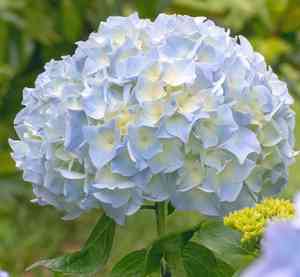
1
The best periods to transplant Bigleaf hydrangea are during the spring and winter seasons.
2
A container that is 2-3 inches (5-7.6 cm) wider than its current pot is perfect.
3
Employ an acidic, well-draining soil blend to achieve superior growth.
Why Replant Your Bigleaf Hydrangea?
Recognizing indicators that your Bigleaf hydrangea requires a new container
Relocating your Bigleaf hydrangea to a new pot might seem challenging, but it's vital for its vitality and lifespan. Signs your Bigleaf hydrangea needs replanting include roots emerging from drainage openings, the plant becoming top-heavy, or rapid soil drying after irrigation. These symptoms suggest the plant has outgrown its current container and needs more room to flourish.
Advantages of replanting: Improved development and bloom health
Replanting revitalizes the plant by supplying fresh growing medium, which is nutrient-rich and promotes better root development. New soil helps the plant absorb water and nutrients more effectively. Furthermore, a larger container provides more space for roots to spread, reducing the risk of root-bound conditions and enhancing overall plant well-being. Healthier roots lead to more vibrant flowers and lush foliage.
Selecting the Appropriate Pot and Soil for Your Bigleaf Hydrangea
Choosing the optimal pot size and material
When picking a new container for your Bigleaf hydrangea, select one that is 2-3 inches (5-7.6 cm) wider in diameter than the existing pot. An excessively large pot can retain too much moisture, leading to root decay. Regarding material, ceramic or terracotta pots are ideal as they are sturdy and facilitate good air circulation. Ensure the pot has sufficient drainage holes to prevent waterlogging, which can harm the plant's roots.
Optimal soil blends for Bigleaf hydrangea: Characteristics and suggestions
The substrate used for replanting Bigleaf hydrangea should be free-draining and slightly acidic, with a pH of approximately 5.5-6.5. A mixture of potting mix, perlite, and peat moss works well. This blend ensures good drainage while still retaining some moisture, which is crucial for the plant's roots. You can also incorporate compost or organic matter to provide additional nutrients. Avoid using garden soil as it can be too dense and may compact, hindering root growth.
How to Replant Your Bigleaf Hydrangea Step-by-Step
Preparing your work area and gathering supplies
Before you start replanting, collect all necessary tools, including a new pot, fresh soil blend, pruning shears, gloves, and a watering can. Choose a workspace that can tolerate mess, such as a garden area or a protected surface. Lay down a tarp or newspapers to catch any spilled soil. Ensure the new pot is clean and ready for use.
Step 1: Gently extracting the plant from its current container
Begin by lightly watering the plant a day before replanting to lessen stress. When prepared, turn the pot on its side and carefully slide the plant out by tapping the bottom of the pot. If the plant resists, use a knife or trowel to gently loosen the edges. Handle the plant by the root ball to avoid damaging the stems and leaves.
Step 2: Trimming old roots and assessing plant vitality
Once the plant is out of its pot, inspect the root ball. Remove any dead or damaged roots with sterilized pruning shears. If the roots are tightly coiled, gently untangle them to encourage new growth. This is also a good chance to look for signs of disease or pests and address them before replanting.
Step 3: Positioning and securing the plant in the new pot
Add a layer of fresh soil blend to the bottom of the new pot. Place the Bigleaf hydrangea in the center, ensuring it sits at the same depth as it did in the old pot. Fill in around the plant with fresh soil, pressing down gently to secure it. Make sure there are no air pockets around the roots, which could cause instability.
Step 4: Proper irrigation and subsequent care advice
After replanting, water the plant thoroughly until water exits the drainage holes. This helps to settle the soil and eliminate any air pockets. Place the pot in a location with indirect sunlight and maintain consistent moisture in the soil, especially during the initial weeks. Avoid overwatering by checking the topsoil's dryness before each watering.
Caring for Your Bigleaf Hydrangea After Replanting
Immediate care suggestions to prevent transplant shock
To minimize transplant shock, keep the newly replanted Bigleaf hydrangea in a shaded area for a few days before moving it back to its usual light conditions. Avoid fertilizing immediately after replanting as it can stress the plant. Monitor the plant's leaves for any signs of wilting or yellowing, adjusting care as needed.
Long-term upkeep and nourishment for vigorous growth
For sustained growth, feed your Bigleaf hydrangea with a balanced, slow-release fertilizer once new growth appears. Hydrangeas benefit from regular watering, especially during dry spells, but ensure the soil drains well to prevent root rot. Prune dead or weak branches in late winter or early spring to encourage healthy new growth and abundant blooms in the flowering season.



