Boost Growth: How and When to Repot Your Porcelainflower Plant
1
Repotting your Porcelainflower is best done in either the Spring or Winter season.
2
Porcelainflower thrives in a soil blend that drains efficiently, preferably light and well-aerated.
3
Indications such as roots emerging from drainage openings or rapid soil desiccation suggest it's time for a new pot.
Why Replant Your Porcelainflower?
Understanding the developmental cycle of Porcelainflower
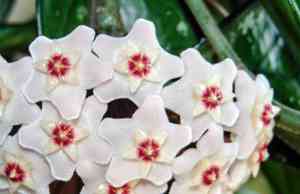
The Porcelainflower is recognized for its waxy, star-shaped blossoms and vigorous growth pattern. This specimen thrives with indoor attention, developing robustly under suitable conditions. Grasping its natural progression will enable you to discern when it requires more space to expand. As the Porcelainflower matures, its root network expands, demanding additional room and nutrients to sustain its progression.
Indicators suggesting it's time for transplanting
Identifying the cues that your Porcelainflower needs replanting is vital for its vitality. Common signals include roots emerging from the drainage apertures, soil that dries out more quickly than usual, or a noticeable decrease in growth rate. These signs indicate that the root system requires additional room, and the plant would benefit from fresh, nutrient-rich soil.
Selecting the Appropriate Container and Substrate for Porcelainflower
Considerations when choosing a new container
When selecting a new container for your Porcelainflower, choose one that is 2-4 centimeters (approximately 1-2 inches) larger in diameter than its current pot. Ensure the container possesses ample drainage holes to prevent oversaturation, which can lead to root decay. Materials like terracotta are excellent choices as they facilitate improved air circulation around the root system.
Recommended substrate types for optimal development
The Porcelainflower flourishes in a well-draining soil blend. Consider a combination of peat moss, perlite, and orchid bark to create a light and aerated medium. This mixture permits sufficient ventilation and moisture retention without becoming overly compacted, ensuring the roots receive the oxygen required for peak growth.
Step-by-Step Instructions for Replanting Porcelainflower
Preparing your workspace and provisions
Begin by gathering all necessary items: a new container, fresh potting medium, pruning shears, and protective gloves. Lay down newspaper or a plastic sheet to collect any debris. Having everything prepared in advance ensures a smooth and effective transplanting operation.
Extracting Porcelainflower from its current container
Gently invert the container, supporting the plant's base with your hand. Tap the sides of the pot to loosen the soil and roots. Carefully slide the Porcelainflower out, avoiding any forceful movements that could harm the roots.
Procedures to appropriately trim and cleanse the root system
Examine the root structure and remove any dead or soft roots using sterilized pruning shears. Eliminating these sections prevents the spread of potential pathogens. If needed, gently untangle any root-bound clusters to promote outward growth in the new container.
Positioning your plant in the new container
Place a layer of fresh potting mix at the base of the new container. Center the Porcelainflower, ensuring it sits at the identical depth as it did in the previous pot. Fill the remaining space with the potting mix, pressing gently to remove any air pockets.
Final adjustments and post-transplanting attention
Following potting, thoroughly water the plant to help the soil settle. Position it in an area with indirect illumination, avoiding direct exposure until it acclimatizes to the new environment. Routinely monitor the plant for indications of stress and maintain consistently moist, but not waterlogged, soil.
Tending to Your Porcelainflower After Transplanting
Crucial care guidelines for the initial weeks
During the first few weeks after replanting, closely observe your Porcelainflower. Ensure it receives adequate hydration to aid root establishment in the new soil. Maintain a humid atmosphere, which can be achieved by regularly misting the foliage or placing a humidity tray nearby.
Actions to take and avoid regarding irrigation and light exposure
Do: Water your Porcelainflower when the upper 2-3 centimeters (1 inch) of soil feels arid. Ensure it receives bright, diffused light for optimal development. Don't: Overwater or allow the plant to sit in standing water, as this can lead to root decay. Avoid positioning it in direct sunlight, which can scorch its leaves.



