Boost Growth: How and When to Repot Your Stinking hellebore Plant
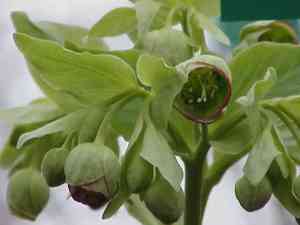
1
Stinking hellebore flourishes optimally when transplanted during the initial part of Spring or the latter part of Winter.
2
Make certain to utilize a potting mix that drains effectively and a container equipped with adequate drainage openings.
3
Indicators that your Stinking hellebore requires re-potting encompass diminished growth, roots encircling the pot, and excessive moisture retention.
Grasping When to Replant Helleborus foetidus
Indicators Your Helleborus foetidus Requires a New Container
A primary indicator that your Helleborus foetidus needs replanting is diminished growth. This often occurs when the plant becomes pot-bound, meaning its roots have completely filled the container, leaving no room for further expansion. Another clear sign is when water drains excessively slowly or not at all, suggesting compacted soil or roots obstructing drainage holes. Inspecting the roots can also be helpful; if they are circling the soil surface or emerging from drainage openings, it's time for a larger pot.
Optimal Period for Replanting
The most suitable time to replant your Helleborus foetidus is during early spring or late winter. These periods offer ideal conditions for the plant to recover and flourish in its new setting. Temperatures are more moderate during these seasons, and aligning with the plant's natural growth cycle, it will be better equipped to endure the stress of being replanted.
Choosing the Perfect Container and Substrate for Helleborus foetidus
Selecting the Appropriate Pot Size and Material
The container size for your Helleborus foetidus should be slightly larger than its current one, typically 2-3 inches (5-7.5 centimeters) wider in diameter. Opt for pots made from materials that provide good insulation and aeration, such as terracotta or ceramic. These materials promote healthier roots by encouraging air circulation and helping to regulate soil moisture.
The Ideal Soil Mixture for Robust Development
For a flourishing Helleborus foetidus, a well-draining soil blend is essential. A good formula includes equal parts garden soil, perlite, and compost. This mixture supplies the necessary nutrients while ensuring proper drainage and aeration. Steer clear of heavy clay soils as they retain too much water, leading to root rot.
Detailed Instructions for Replanting Helleborus foetidus
Preparing Your Plant for Replanting
Begin by watering your Helleborus foetidus the day before you intend to replant it. This ensures the roots are hydrated and simplifies the removal process. Gather all required tools, including a new pot, fresh soil mix, pruning shears, and gloves. Have everything readily accessible to ensure a seamless replanting operation.
Step-by-Step Replanting Procedure
Gently extract the Helleborus foetidus from its current pot by carefully loosening the soil around the edges. If it's root-bound, you might need to tap the pot or gently invert it and shake.Inspect the root system and trim any dead or damaged roots using pruning shears.Fill the new pot with a layer of fresh soil mix, approximately one-third full.Position the plant in the center of the new pot and fill around it with the remaining soil mix, ensuring the root ball is covered, and the plant is at the same soil level as before.Lightly press down the soil to eliminate air pockets and water thoroughly to help the plant settle.
Post-Replanting Care Advice
After replanting, place your Helleborus foetidus in a shaded location to allow it time to adapt to its new surroundings. Gradually expose it to more light over a week. Maintain consistently moist but not waterlogged soil, and refrain from fertilizing for at least a month to prevent root burn. Closely observe your plant for any indications of stress or disease, and enjoy your thriving Helleborus foetidus as it acclimates to its new home.



