Boost Growth: How and When to Repot Your Persian ivy Plant
1
Best Period: Transplanting your Persian ivy in early spring promotes superior establishment and development.
2
Growth Habit: Persian ivy is a rapidly expanding climber that can swiftly become too large for its container.
3
Substrate Blend: A potting medium that drains effectively, incorporating peat, perlite, and sand, is perfect for Persian ivy.
Why You Should Consider Rehousing Your Persian Ivy
Understanding the growth pattern of Persian ivy
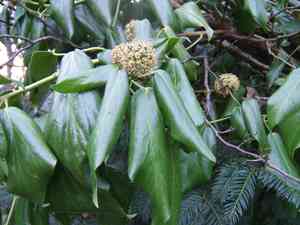
The Persian ivy is a robust, climbing, evergreen vine distinguished by its large, thick, and leathery leaves. This plant can expand quickly under optimal conditions, often requiring a transfer to a larger container to accommodate its expanding root system. As the plant matures, it needs more room for its roots to spread, ensuring it receives sufficient nutrients and water for robust development.
Signs that your Persian ivy needs a new home
Several indicators suggest your Persian ivy might require repotting. If you observe roots emerging from drainage holes, stunted growth despite proper care, or the plant becoming top-heavy and easily toppling, these could all signal it's time for a new, larger pot. Additionally, yellowing leaves or wilting despite adequate hydration can indicate that the plant's roots are constricted and need more space to grow.
Benefits of timely repotting
Repotting at the appropriate time ensures your Persian ivy flourishes by preventing root-bound stress and providing fresh, nutrient-rich soil. This process also promotes superior water drainage and aeration, vital for root health. A prompt repotting can revitalize your plant, leading to more vigorous growth and denser foliage.
Choosing the Right Pot and Soil for Persian Ivy
Selecting the optimal pot size and material
When choosing a new container for your Persian ivy, consider increasing its size by one or two increments from its current one. For example, if the current pot is 15 cm (6 inches) in diameter, a new pot of 20-25 cm (8-10 inches) would be ideal. Terracotta pots are an excellent choice as their porous nature allows the soil to dry out more uniformly, preventing overwatering. Ensure the new pot has ample drainage holes to prevent waterlogging.
Best soil mixes for Persian ivy
A well-draining potting mixture is essential for Persian ivy. A blend of peat moss, perlite, and sand creates an ideal environment. This type of mix retains some moisture while allowing excess water to escape. Avoid using heavy garden soil, which can compact easily and hold too much water, leading to root rot.
Step-by-Step Guide to Repotting Persian Ivy
Preparing your materials and workspace
Before you start, gather all necessary items: a new pot, the appropriate potting mix, pruning shears, and gloves. Select a well-ventilated area and cover the surface with newspaper or a plastic sheet to simplify cleanup. Ensure you lightly water the Persian ivy a day before repotting to facilitate easier removal.
Gently removing your Persian ivy from its current pot
Carefully turn the pot on its side and gently tap the bottom to loosen the soil. If the plant is particularly root-bound, you might need to work a bit more cautiously. Avoid pulling at the plant to prevent root damage. Gently ease the plant out, supporting the base of the stems to keep the root ball intact.
Steps to place Persian ivy in a new pot
Fill the bottom of the new pot with a layer of fresh potting mix. Position the Persian ivy in the center, ensuring it sits at the same depth as it was in the old pot. Fill the space around the root ball with more potting mix, pressing down gently to eliminate air pockets. Water the plant thoroughly after repotting to help settle the soil.
Aftercare: Ensuring successful adaptation
After repotting, place your Persian ivy in a location with indirect light and maintain a consistent watering schedule. Avoid fertilizing for the initial few weeks to allow the plant to adjust to its new surroundings. Monitor the plant for signs of stress and modify care as needed. With proper aftercare, you'll observe new growth and healthy development quickly.
Common Mistakes to Avoid When Repotting Persian Ivy
Overwatering after repotting
One of the most frequent errors is overwatering the plant after repotting. While initial watering is important to settle the soil, avoid keeping it too wet as this can lead to root rot. Ensure the pot has excellent drainage and allow the soil to dry out slightly between waterings.
Using the wrong soil type
Employing heavy, compacted soil can be detrimental to your Persian ivy. Such soils retain excessive water and do not permit proper aeration, leading to potential root issues. Always select a well-draining soil mix suitable for vining plants.
Neglecting post-repotting care
Aftercare is crucial following a repot. Ignoring the plant after repotting can result in stress and poor adaptation. Ensure you provide adequate light, water correctly, and monitor the plant closely to help it thrive in its new pot.



