Boost Growth: How and When to Repot Your Zebra plant Plant
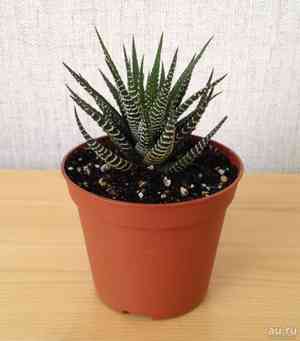
1
To ensure the best growth for your Zebra plant, consider repotting it every two to three years.
2
Spring and Winter are the most suitable times of year to repot your Zebra plant.
3
Employing soil that drains effectively is essential for your Zebra plant's vitality.
Why Replant Your Zebra Plant?
Understand the growth cycle and health advantages of transplanting
Transplanting your Zebra plant ensures ample space for its development, vital for its overall well-being. Over time, pot soil can become compacted and depleted of essential nutrients. Repotting replenishes the soil, providing your plant with improved access to necessary nutrients. Furthermore, a new container offers additional space for root expansion, preventing them from becoming pot-bound. This, in turn, supports optimal plant growth and minimizes the risk of ailments and pests.
Recognize indicators suggesting it's time for a new pot
Knowing when to replant your Zebra plant is essential. Some signs that it's due for a new container include stunted growth, roots emerging from drainage holes, or the plant becoming top-heavy and leaning. If you observe that water isn't being absorbed efficiently and tends to pool on the soil surface, it might be time to repot. Noticing these signs helps ensure your plant remains robust and continues to flourish.
Choosing the Appropriate Container and Substrate for Your Zebra Plant
Selecting the suitable pot dimension and material
When choosing a new container for your Zebra plant, select one that is 2.5 to 5 centimeters (1 to 2 inches) larger in diameter than its current one. This additional volume allows roots to spread. Additionally, opt for a pot made from a porous material like terracotta, which aids in preventing soil waterlogging. Ensure the container has drainage holes to permit excess water to escape, reducing the likelihood of root rot.
Discuss the optimal soil mix for robust root development
A well-draining substrate is vital for your Zebra plant's health. You can use a cactus or succulent potting mix, specifically formulated for excellent drainage. Alternatively, you can create your own blend by combining standard potting soil with sand or perlite in a 2:1 ratio. This mixture ensures water can flow through easily, preventing roots from sitting in excessive moisture.
Steps to Successfully Replant Your Zebra Plant
Gently extract the plant from its current container
Begin by carefully loosening the soil around the pot's perimeter. You can use a small trowel or your hands for this. Once the soil is loose, gently tilt the pot and tap it to release the plant. Be cautious not to pull too forcefully on the plant itself, as this can damage the roots.
Carefully prune dead or excessively long roots
After removing the plant, examine the roots for any indications of decay or harm. Trim away any lifeless or overly long roots using clean, sharp scissors or pruning shears. This helps prevent the spread of potential diseases and encourages new, healthy growth. Be gentle when handling the roots to avoid causing unnecessary stress to the plant.
Position the plant in the new container with fresh soil
Fill the bottom of the new pot with a layer of fresh, well-draining potting mix. Place the plant in the center of the pot, holding it upright. Gradually add more soil to the sides, gently pressing it down to eliminate any air pockets. Ensure the plant is at the same depth it was in the previous pot, and avoid burying its base too deeply.
Correct hydration after replanting
Following repotting, thoroughly water the plant to help it settle into its new environment. Allow all excess water to drain out completely. In the initial weeks post-replanting, it's crucial not to overwater. The roots require time to adapt, and excessive watering can lead to root rot. Monitor the soil moisture and only water when the upper layer feels dry to the touch.
Post-Transplant Care Recommendations for Your Zebra Plant
Illumination and temperature requirements after repotting
After being repotted, position your Zebra plant in a spot where it receives bright, indirect illumination. Direct sunlight can be too harsh and may cause leaf scorching. A temperature range between 16-24°C (60-75°F) is ideal for the plant's recovery and development. Avoid placing the plant in drafty locations or near heating vents, as sudden temperature fluctuations can stress the plant.
How frequently to irrigate and fertilize your plant
In the weeks following its relocation, water your Zebra plant moderately, allowing the soil to dry out between waterings. Over time, establish a watering routine based on your plant's specific requirements. Typically, irrigating every 1-2 weeks is sufficient, but this may vary depending on your ambient conditions. During the active growth period (spring and summer), you can nourish your plant with a balanced, water-soluble fertilizer every 4-6 weeks to promote robust growth.



