Boost Growth: How and When to Repot Your Moon cactus Plant
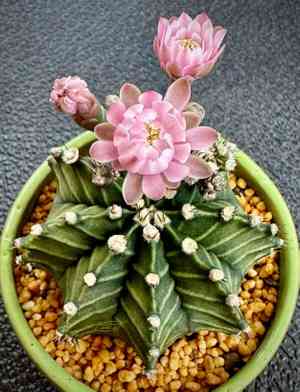
1
Transplanting is most effective in Spring or Autumn to encourage robust development.
2
Assessing root condition is vital during repotting, since compromised roots impede progress.
3
Selecting an appropriate pot dimension helps avoid excessive moisture and root decay.
Knowing When to Replant Your Moon Cactus
Recognize indicators for repotting
Identifying the right moment to rehouse your Moon cactus is vital for its well-being. Look for cues such as roots emerging from drainage openings, a noticeable decrease in growth rate, or the plant becoming top-heavy and unstable.
Seasonal considerations for transplanting
The best periods for transplanting a Moon cactus are during Spring and Autumn. These seasons provide moderate temperatures and optimal growth conditions, allowing the cactus to acclimate smoothly to its new surroundings.
Selecting the Appropriate Container and Substrate for Your Moon Cactus
Choosing the perfect pot size and material
When picking a container for your Moon cactus, select one that is marginally larger than its current pot to allow for expansion. Ensure it has drainage holes to prevent water accumulation. Terracotta pots are excellent material-wise as they permit the soil to dry out completely between waterings.
The optimal soil blend for Moon cactus health and development
A substrate that drains well is crucial for the vitality of a Moon cactus. A mix specifically for cacti or a combination of potting soil, perlite, and coarse sand works best. This ensures proper air circulation and prevents root saturation.
The Transplanting Procedure: Step-by-Step
Safely extracting your Moon cactus from its current container
Start by gently loosening the substrate around the edges of the existing pot. Carefully tip the container and allow the Moon cactus to slide out, supporting the base to prevent damage. If the plant is stuck, use a blunt knife to loosen the soil.
Inspecting and trimming roots as needed
Once removed, examine the roots for any signs of decay or overcrowding. Healthy roots should be white and firm. Trim any brown or soft roots using sterilized shears. If the roots are densely packed, gently separate them to encourage branching.
Placing the Moon cactus into its new container
Fill the bottom of the new pot with some soil mix. Position the Moon cactus in the container and fill in around it with more substrate, ensuring the base of the cactus is at the same level as before. Lightly tap the pot to settle the soil.
Aftercare advice following transplanting
After transplanting, place your Moon cactus in a spot with indirect light and refrain from watering for the initial week. This allows any damaged roots to recover and reduces the risk of rot. Gradually resume regular watering and light exposure.
Typical Errors to Avoid When Replanting Your Moon Cactus
Excessive watering immediately after transplanting
One of the most frequent errors is overwatering the cactus right after repotting. This can lead to root decay as the roots require time to adjust to the new soil conditions.
Utilizing an unsuitable soil mixture
Employing the incorrect type of substrate can retain too much moisture, which is harmful to a Moon cactus. Always use a well-draining cactus mix to ensure overall root well-being.
Choosing the incorrect pot size
Selecting a container that is too large can result in surplus soil holding moisture, leading to root rot. Conversely, a pot that is too small can impede the plant's growth. A container just slightly larger than the previous one is ideal.



