Boost Growth: How and When to Repot Your Nerve plant Plant
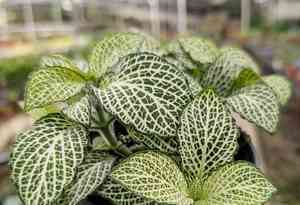
1
The best times to transfer a Nerve plant to a new pot are during Spring and Winter.
2
Nerve plants flourish in potting mediums that drain effectively and are abundant in organic material.
3
Transplanting a Nerve plant can enhance its development and general well-being.
Why Rehouse Your Fittonia?
Understanding the Fittonia's growth pattern
The Fittonia is recognized for its striking, patterned leaves and compact form. Grasping its growth cycle is key, as it helps determine when the plant is mature enough for a larger container. Typically found in tropical regions, Fittonias grow rapidly under ideal conditions, and their root systems can become constricted if not regularly checked. Recognizing growth habits and root expansion allows for optimal rehousing times.
Identifying indicators that suggest a need for rehousing
Several clear signs suggest your Fittonia might require rehousing. A prominent indicator includes roots emerging from drainage holes, signifying the plant has outgrown its current vessel. Additionally, if the plant wilts soon after watering, it could mean the soil is compacted and no longer draining effectively. Discolored leaves or inhibited growth are also clear signals that the plant needs a refreshed growing environment.
Advantages of rehousing for plant vitality and appearance
Rehousing your Fittonia offers multiple benefits. Firstly, new soil provides a boost of essential nutrients for development. Secondly, it helps prevent root ailments like root rot by ensuring roots have ample room to expand and receive proper air circulation. Furthermore, rehousing can enhance your plant's aesthetic appeal, offering a better display if you select a more attractive pot. Overall, rehousing is an excellent method to maintain your Fittonia's health and vibrancy.
Choosing the Right Time for Rehousing
Optimal seasons for rehousing Fittonia
The best seasons to rehouse your Fittonia are Spring and Winter. Spring is traditionally a period of growth and rejuvenation, making it an ideal time to provide the plant with fresh substrate and more space. Winter, conversely, is when the plant grows more slowly, lessening the stress associated with rehousing. During these periods, the plant can adapt more comfortably to its new surroundings.
Signs to observe for selecting the best rehousing moment
Beyond seasonal timing, specific cues can indicate it's an opportune moment to rehouse your Fittonia. One such sign is diminished growth despite proper care, suggesting the roots require more space. Another is the constant need to water the plant, as dense roots can lead to faster drying. Physical signs like yellowing foliage or overly compacted soil also indicate the plant would benefit from rehousing. It's vital to balance these indicators with seasonal advice for the best outcomes.
Selecting the Appropriate Container and Substrate
Criteria for choosing the correct pot size and material
When choosing a container for your Fittonia, consider its dimensions and composition. The pot should be one size larger than the current one to provide more room without overwhelming the plant. Containers made of porous materials like terracotta offer superior air circulation, which can be advantageous. Ensure the pot has adequate drainage holes to prevent water accumulation. Aesthetic considerations are also important, as a visually pleasing pot can complement the plantâs decorative leaves.
Types of substrate mixes ideal for Fittonia
Fittonias thrive in well-draining, organic-rich substrate. An ideal blend includes equal parts of peat moss, perlite, and potting mix. The peat moss helps retain moisture without becoming waterlogged, while the perlite ensures good drainage and aeration. Incorporating compost can enrich the substrate with nutrients, promoting robust growth. This mix mimics the Fittonia's natural tropical habitat, ensuring it has the right balance of moisture and air around its roots.
Step-by-Step Guide to Rehousing Fittonia
Preparing your workspace and gathering necessary implements
Begin by setting up a clean, flat workspace where you can comfortably operate. Collect essential tools including a small shovel, protective gloves, the new container, fresh substrate mix, and shears for root trimming if needed. Having all your supplies ready will make the process smoother and less stressful for both you and the plant.
Steps for safely extracting the plant from its current container
To safely remove the Fittonia from its current container, lightly water the plant to moisten the substrate but not saturate it. Gently tap the sides of the pot to loosen the soil. Hold the plant at its base and carefully tilt the pot to slide the plant out. If it resists, use a small shovel to loosen the edges. Avoid forcefully pulling the plant as this can harm the roots and stems.
Detailed procedure for replanting in the new container
Start by placing a layer of fresh substrate mix at the bottom of the new container. Position the Fittonia in the center of the pot, spreading its roots evenly. Gradually fill around the plant with the remaining substrate mix, gently pressing it down to eliminate air pockets. Ensure the plant remains at the same substrate level as it was in the previous pot. Water the plant thoroughly once it's securely in its new home.
Post-care advice to ensure a smooth adjustment
After rehousing, place the Fittonia in a location with indirect light to help it adapt to the change. Keep the substrate consistently moist but not waterlogged, and avoid fertilizing for the first few weeks to reduce stress on the plant. Monitor for any signs of distress such as wilting or yellowing leaves, and maintain a humid environment to encourage healthy recovery.
Addressing Common Rehousing Issues
Managing root decay or damaged roots during rehousing
Root decay and damaged roots are frequent problems encountered during rehousing. If you observe any black, soft, or foul-smelling roots, these indicate root decay. Trim these roots using sterilized shears, ensuring only healthy, white roots remain. Rehouse the plant with fresh, well-draining substrate to prevent future issues. Ensuring the container has adequate drainage will also help prevent recurring root decay.
Tips for preventing transplant shock in Fittonias
Transplant shock can manifest as wilting, leaf drop, or stunted growth. To minimize this, water the plant thoroughly before and after rehousing. Make the transition as quick and seamless as possible, reducing the plant's exposure to air and light during the process. Providing a stable environment with optimal humidity and temperature can also help the Fittonia adjust faster and reduce the risk of transplant shock.



