Boost Growth: How and When to Repot Your Fiddle-leaf fig Plant
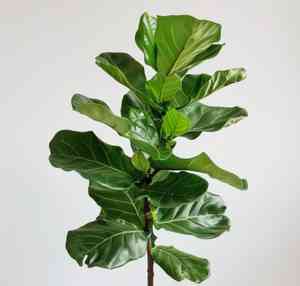
1
The best times to transfer your Fiddle-leaf fig to a new container are during the spring and winter months.
2
Observe indicators such as visible roots emerging from drainage holes or diminished growth rate to determine if repotting is necessary.
3
Select a new planter that is marginally bigger than its predecessor to accommodate root expansion.
Why Replant Your Fiddle-leaf Fig?
Recognizing indicators that your Fiddle-leaf fig requires a new container
Understanding when to rehouse your Fiddle-leaf fig significantly impacts its vitality and expansion. Typical indicators that your plant needs a larger pot include roots emerging from the drainage apertures, slower than usual development, or a general appearance of being constrained in its current vessel. These signals suggest the plant's root system lacks space to spread, which can hinder its growth and overall well-being.
Advantages of replanting: from root vitality to enhanced development
Replanting offers numerous advantages: it provides the roots with increased room to expand and access fresh substrate, which in turn delivers essential nutrients. This fosters more vigorous, robust growth. Furthermore, replanting can help ward off root rot and other ailments by ensuring the plant isn't sitting in excessively damp soil. Overall, a recently repotted Fiddle-leaf fig often appears more vibrant and grows at an accelerated rate.
When is the Optimal Time to Replant?
Identifying the ideal season and conditions for transferring your Fiddle-leaf fig
The most favorable periods to rehouse your Fiddle-leaf fig are during the Spring and Winter months. These seasons offer prime conditions: Spring's moderate temperatures encourage new growth while Winter's dormant phase reduces plant stress. Select a day when the plant is neither overly dry nor excessively watered to help minimize root damage during the replanting process.
Choosing the Appropriate Pot and Growing Medium
Selecting a container that meets the needs of a developing Fiddle-leaf fig
Choosing the correct pot is essential. Opt for a vessel that is approximately 5-10 centimeters (2-4 inches) wider in diameter than the current one. This ensures ample space for root expansion. Verify that the pot has sufficient drainage to prevent waterlogging, which can lead to root rot. Materials such as terracotta are excellent choices as they are porous and beneficial for healthy root systems.
Types of substrate blends suitable for Fiddle-leaf fig and tips for preparing your own
The kind of growing medium you utilize profoundly impacts your Fiddle-leaf fig's health. A well-draining soil mixture enriched with organic matter is perfect. You can formulate your own by combining equal parts potting soil, peat, and perlite or pine bark. This blend guarantees adequate drainage while retaining necessary moisture. Avoid using garden soil as it can compact and restrict root development.
Steps to Replant Your Fiddle-leaf Fig
Preparing your workstation and gathering essential implements
Set up your work area with crucial tools such as a new container, fresh substrate mix, gloves, a trowel, and pruning shears. Lay down a protective sheet or newspaper to maintain cleanliness. Ensure all items are easily accessible to streamline the procedure.
Detailed procedure: extracting, trimming, and replanting
Begin by gently extracting the Fiddle-leaf fig from its current container. You may need to tilt the pot and tap it a few times to loosen the soil. Examine the root mass and trim away any deceased or overly lengthy roots. Place a layer of fresh substrate at the base of the new pot. Position the plant in the center and fill around it with soil, ensuring the root ball is adequately covered. Gently press the soil to eliminate air pockets.
Post-care: Watering and situating your newly re-potted Fiddle-leaf fig
Once replanted, provide your Fiddle-leaf fig with a thorough watering until moisture drains from the bottom. This helps settle the growing medium. Place the pot in a location with bright, indirect illumination. Over the subsequent weeks, closely observe the plant for any signs of stress and refrain from fertilizing until new growth is evident.
Addressing Common Issues After Replanting
Handling indications of stress or shock in Fiddle-leaf fig following repotting
After repotting, your Fiddle-leaf fig might display symptoms of stress, such as yellowing foliage or drooping. This is typically temporary and can be mitigated by maintaining consistent care. Ensure the plant is not exposed to direct harsh sunlight or extreme temperature fluctuations during this vulnerable period.
Preventative advice to ensure smooth adaptation for your plant
To help your Fiddle-leaf fig adapt smoothly, keep the substrate consistently moist but not waterlogged, and maintain a stable environment with consistent lighting. Avoid relocating the plant too frequently, as stability aids its adjustment. Regularly inspect for signs of pests or diseases and address any issues promptly to prevent further stress.



