Boost Growth: How and When to Repot Your Pencil cactus Plant
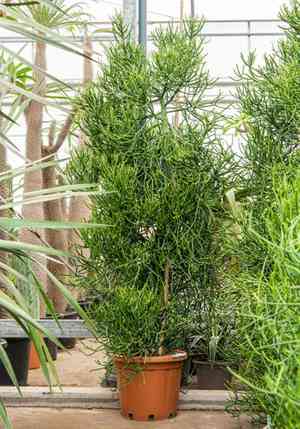
1
The best times to transplant your Pencil cactus are during spring and fall.
2
Wear protective gloves when handling Pencil cactus to prevent skin irritation from its milky sap.
3
Following repotting, delay watering for seven days to let the root system acclimate.
Determining the Optimal Time to Replant Pencil Cactus
Indicators your Pencil cactus requires a new container
Recognizing when to transfer your Pencil cactus is vital for its vitality and development. Observe for cues such as roots emerging from drainage openings or the plant becoming top-heavy and unstable. Another sign is if the substrate dries out rapidly post-irrigation, suggesting congested roots. Furthermore, if your cactus has occupied the same vessel for over two to three years, it might be time to consider relocating it.
Understanding the growth habits of Pencil cactus
The Pencil cactus is a resilient succulent known for its swift development, particularly during its active growth periods in spring and autumn. This plant's distinct growth pattern involves producing numerous branches, which can quickly fill its current pot. By comprehending these growth tendencies, you can better anticipate when your cactus will require more room to flourish.
Selecting the Appropriate Pot and Substrate for Your Pencil Cactus
Choosing the ideal container size and material
Selecting the correct pot for your Pencil cactus entails picking a vessel that is 2.5-5 cm (1-2 inches) wider in diameter than its current one. Opt for containers with drainage holes to prevent water accumulation. Materials like terracotta or ceramic are excellent due to their porous nature, which aids in moisture regulation. Avoid using pots that retain moisture, such as plastic, as this can lead to root decay.
The optimal soil mixture for Pencil cactus transplantation
A well-draining soil blend is crucial for the Pencil cactus. A cactus or succulent-specific mix works effectively, containing a combination of soil, sand, and perlite. This mixture ensures that water drains quickly, preventing root rot and fostering healthy root growth. You can also formulate your own mix by combining three parts potting soil, two parts coarse sand, and one part perlite or pumice.
Step-by-Step Instructions for Repotting Pencil Cactus
Preparing your supplies and workspace
Before you begin transplanting your Pencil cactus, gather all necessary items: a new pot, suitable soil mix, gloves, and a trowel. Select a well-ventilated work area, ideally outdoors or in a spot where cleaning will be straightforward. Lay down newspapers or plastic sheets to catch any spilled soil. Wearing gloves is essential as the Pencil cactus secretes a milky sap that can irritate skin.
Safely extracting the Pencil cactus from its current container
Gently grasp the base of the Pencil cactus and tilt the pot to one side, tapping the edges to loosen the soil. If the plant resists, use a small trowel to carefully ease the roots out. Avoid pulling the plant forcefully to prevent damage. Inspect the roots once the plant is removedâtrim any that appear decayed or excessively long using sterilized shears.
Transplanting and positioning in the new container
Place a layer of fresh soil mix at the bottom of the new pot. Position the Pencil cactus in the center, ensuring it sits at the same depth as before. Fill in around the roots with more soil mix, gently pressing down to eliminate air pockets. Leave approximately 2.5 cm (1 inch) of space from the top to prevent overflow during irrigation.
Post-transplantation care recommendations
After repotting, wait at least a week before watering to allow the roots to settle and recover. Place the plant in a bright location but avoid direct sunlight initially, as it acclimates to its new surroundings. Monitor for any signs of distress, such as wilting or discoloration, and adjust care practices accordingly.
Addressing Common Issues After Repotting Pencil Cactus
Managing transplant shock
Transplant shock is a frequent problem after repotting and can manifest as drooping or leaf shedding. Minimize shock by handling the plant gently and ensuring it is not exposed to extreme temperatures or direct sunlight immediately after repotting. Gradually introduce it to its usual environment over one to two weeks.
Resolving over or under-watering situations
Excessive watering can lead to root decay, while insufficient watering can cause dehydration. After repotting, establish a watering schedule based on the plant's requirements. The Pencil cactus prefers its soil to dry out completely between waterings. A general guideline is to water every two to three weeks, depending on your indoor climate. Adjust the frequency according to the plant's response.



