Boost Growth: How and When to Repot Your Myrtle spurge Plant
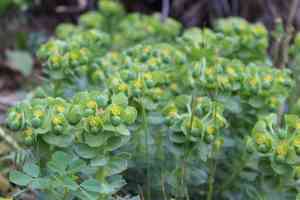
1
Myrtle spurge thrives in a soil blend that drains effectively, preventing root decay.
2
Repotting Myrtle spurge is best done in the Spring or Fall.
3
Choose a container that is marginally bigger than its predecessor to accommodate root expansion.
Reasons to Replant Your Myrtle spurge
Identify Indicators of a Root-Bound Plant
Does your Myrtle spurge appear confined in its present container? If you observe inhibited development, yellowed foliage, or roots emerging from drainage openings, these are clear signs it requires a new home. Root-bound plants struggle to absorb moisture and nutrients effectively, impacting their overall vitality and look.
Grasp the Advantages of Repotting for Plant Vitality
Transplanting your Myrtle spurge can significantly enhance its health and development. A fresh container provides roots more room to expand, while new substrate replenishes vital nutrients and ensures proper drainage. This process can revitalize your plant, making it more resilient and vibrant.
Selecting the Appropriate Container and Substrate for Myrtle spurge
Choosing the Optimal Pot Size and Material
When replanting your Myrtle spurge, select a pot that is 2.5-5 cm (1-2 inches) wider in diameter than the current one. This allows the root system space to grow without overwhelming the plant. Terracotta pots are an excellent choice due to their porous nature, which helps prevent soil from becoming excessively moistâa common issue with this succulent.
The Ideal Soil Blend for Enhanced Development
A well-draining soil mixture is essential for Myrtle spurge to flourish. Consider utilizing a cactus or succulent potting mix, which typically contains sand, perlite, and peat moss. This combination ensures rapid water drainage, reducing the risk of root rot. You can further improve the mix by adding small pebbles or gravel at the bottom of the pot.
Detailed Instructions for Repotting Myrtle spurge
Preparing Your Work Area and Implements
Organize your workspace with all necessary toolsânew pot, suitable soil mix, trowel, gloves, and a cleaning brush. Having everything accessible will make the process smoother and more efficient. Wear gloves to protect your hands from the sap of the Myrtle spurge, which can be irritating.
Safely Extracting the Plant from its Former Pot
Gently remove your Myrtle spurge from its current pot by tilting it sideways and tapping the pot's base. Carefully loosen the plant and lift it out, supporting the root ball to prevent damage. If the plant is stuck, use a small tool like a butter knife to loosen the soil around the edges.
Cleaning and Pruning the Root System
Once the plant is out, shake off excess soil and examine the roots. Trim away any dead or decaying roots with clean, sharp scissors. This pruning encourages healthy new growth and aids in checking for pests or diseases.
Positioning and Planting in the New Container
Partially fill the new pot with the prepared soil mix, forming a mound in the center. Place the Myrtle spurge on top, spreading the roots evenly around the mound. Fill in with soil, gently pressing around the plant to eliminate air pockets, ensuring the plant's base is at the same soil level as before.
Post-Transplant Care Recommendations
After repotting, lightly water the Myrtle spurge to settle the soil. Position the plant in a bright location with indirect sunlight and avoid overwatering for the initial few weeks. This careful approach helps the plant adapt to its new environment and reduces transplant shock.
Typical Issues and Solutions During Myrtle spurge Repotting
Addressing Root Decay or Pests
Root rot typically results from excessive watering or inadequate drainage. To combat this, ensure you're using a well-draining soil mix and a breathable pot. Regularly inspect the roots and soil, and trim affected areas promptly. For pests like aphids or mealybugs, consider using a mild insecticidal soap.
Adapting to a New Environment
Your Myrtle spurge might display signs of stress after repotting, such as leaf drop or slowed growth. This is usually temporary. Maintain consistent care, including proper watering and light conditions, and the plant should adjust to its new pot within a few weeks.



