Boost Growth: How and When to Repot Your Mottled spurge Plant
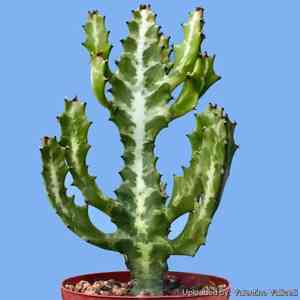
1
The best period to transplant Mottled spurge is in the Spring or Fall.
2
Mottled spurge flourishes in a soil blend that drains effectively.
3
Verify your replacement container includes drainage openings to avoid excessive moisture retention.
Optimal Timing for Repotting Your Mottled Spurge
Recognize Indicators of Pot Overgrowth
Your Mottled spurge might signal a need for repotting if roots emerge from drainage holes or visibly coil within the container. Stunted plant development can also be a sign. If the soil dries out faster than usual, or the plant becomes top-heavy and unstable, a new pot is likely due.
Consider the Plant's Growth Period and Season
The ideal period to transplant your Mottled spurge is during its active growth phases, specifically Spring and Autumn. During these times, the plant is better prepared to recover from the repotting process and will more easily adapt to its new surroundings.
Selecting the Ideal Container and Substrate for Your Mottled Spurge
Choosing the Correct Pot Size and Material
When picking a new container for your Mottled spurge, opt for one that is 2-5 centimeters (1-2 inches) wider in diameter than its current pot. Ensure the new pot has sufficient drainage holes at the base to prevent water accumulation. Materials such as terracotta or ceramic are excellent as they promote better root aeration.
Understanding Soil Requirements for Mottled Spurge
Your Mottled spurge flourishes best in a well-draining soil mixture. An appropriate blend can be created using cactus or succulent soil, which typically includes sand, perlite, and organic components. Avoid using garden soil as it is dense and can retain excessive moisture, potentially leading to root rot.
Steps for Successfully Repotting Your Mottled Spurge
Prepare the New Container and Soil
Before transplanting, ensure your new pot is clean and dry. Place a layer of the well-draining soil mix at the bottom to create a base for the plant. Having all necessary items ready beforehand streamlines the repotting process and reduces stress for your Mottled spurge.
Carefully Extract the Plant from its Old Pot
To remove the plant, gently tilt the pot on its side and tap the base to loosen the soil. Carefully slide out the Mottled spurge, being cautious not to harm the roots. If the plant is stuck, you can use a blunt knife along the pot's edge to help release it.
Positioning and Planting in the New Container
Center your Mottled spurge in the new pot, ensuring the stem's base is slightly below the pot's rim. Fill the spaces around the root ball with your soil mix, gently firming it down as you proceed. Confirm the plant is stable and upright.
Finishing Touches and Initial Post-Repotting Care
After repotting, water sparingly to help the soil settle around the roots. Initially, avoid heavy watering to prevent shock. Place the plant in a spot with indirect, bright light and allow it to acclimate to its new environment over the next few weeks. Monitor soil moisture to keep it on the drier side, as overly wet conditions can be detrimental to the plant.
Common Difficulties When Repotting Mottled Spurge
Effectively Addressing Root-Bound Conditions
If your Mottled spurge is severely root-bound, you might need to gently separate the roots to encourage new growth. Trimming any excessively long or damaged roots can also aid the plant in establishing better in its new pot.
Managing Post-Repotting Stress in Mottled Spurge
Repotting can be stressful for your Mottled spurge. To minimize stress, avoid placing it in direct sunlight for a few days and maintain consistent watering practices. Observing for signs of distress, such as drooping leaves, can help you adjust care as needed.
Key Advice for a Thriving Mottled Spurge After Repotting
Appropriate Watering and Light Exposure
Water your Mottled spurge carefully, allowing the soil to dry out slightly between waterings. Provide ample bright but indirect light, as excessive direct sunlight can scorch the foliage.
Monitoring Plant Health and Development
Keep a close watch on your plant's health after repotting by checking for new growth and vibrant leaves. Any indications of yellowing or wilting may suggest issues with watering or light requirements, prompting you to adjust care accordingly.



