Boost Growth: How and When to Repot Your Wintercreeper Plant
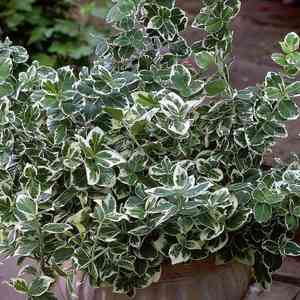
1
The best period to transplant Wintercreeper is during early spring, allowing ample time for establishment prior to its active growth phase.
2
Indicators that Wintercreeper requires repotting involve roots emerging from the drainage openings and the potting medium drying rapidly post-irrigation.
3
Adequate drainage is vital for Wintercreeper, as surplus moisture can result in root decay.
Knowing When to Replant Your Wintercreeper
Recognizing signs of an overcrowded container
Detecting when your Wintercreeper has outgrown its current container is the initial step in identifying the need for replanting. Observe roots emerging from drainage holes, or even coiling around the soil's surface. Another clear indicator is when water quickly drains through the pot after irrigation. This occurs because the plant's root system occupies most of the space, leaving minimal room for the soil to retain moisture.
Seasonal considerations for transplanting
The optimal period to transplant your Wintercreeper is early spring. This timing allows the plant to recover from the transplanting stress before its peak growth phase. Spring replanting ensures the plant can establish itself in its new environment with the upcoming warmer weather, promoting healthier and more robust development.
Impact of transplanting on plant vitality
Transplanting can significantly influence your Wintercreeper's overall health. It facilitates better root expansion, enhanced nutrient uptake, and proper drainage, all contributing to the plant's vigor. When replanted at the correct time and with appropriate care, your Wintercreeper will flourish and exhibit more lush and vibrant foliage.
Selecting the Appropriate Container and Substrate for Wintercreeper
Choosing container size and material
When selecting a new container for your Wintercreeper, choose one approximately 5-7.5 cm (2-3 inches) larger in diameter than the existing pot. This provides ample root growth space without being excessively large, which can lead to overwatering. Regarding materials, both plastic and terracotta pots are suitable, but terracotta is especially beneficial if you tend to overwater, as it allows excess moisture to evaporate.
Optimal soil mixture for robust development
A well-draining potting mix is crucial for your Wintercreeper's healthy growth. You can use a standard potting soil blended with perlite or sand to enhance drainage. This combination ensures roots receive sufficient air circulation and prevents soil compaction.
Importance of drainage in the new container
Adequate drainage is vital for your Wintercreeper's well-being. Ensure the new container has multiple holes at the bottom to allow excess water to escape. Poor drainage can result in waterlogged soil, potentially causing root rot and ultimately harming your plant. To further improve drainage, you can place a layer of small stones or broken pottery at the container's base.
Step-by-Step Procedure for Repotting Wintercreeper
Safely extracting the plant from its previous container
Start by gently tapping the sides of the old pot to loosen the soil. Carefully invert the pot while supporting the plant's base with your hand. Gently ease the plant out of the pot, being careful not to pull on the stems or leaves. If the plant is tightly bound, you might need a sterilized knife to loosen the edges.
Inspecting and pruning roots as needed
Once the plant is out of the pot, examine the root ball. Healthy roots are white and firm, whereas brown or mushy roots indicate decay. Trim away any dead or diseased roots using sterilized shears. If the roots are circling and matted, gently untangle them to encourage outward growth in the new pot.
Placement and arrangement in the new container
Fill the bottom of the new pot with some fresh potting mix and center the Wintercreeper. Ensure the top of the root ball is about 2.5 cm (1 inch) below the pot's rim. Fill in around the roots with more potting mix, gently firming it down to eliminate air pockets. Be careful not to plant the specimen too deeply.
Initial care following transplanting
After transplanting, thoroughly water the Wintercreeper to help settle the soil around the roots. Position the pot in a location with indirect sunlight and moderate temperatures. Avoid fertilizing immediately after repotting, as the fresh soil will contain enough nutrients to sustain the plant for a few weeks.
Promoting Growth After Repotting for Wintercreeper
Adjustments to irrigation schedule
Following repotting, modify your watering routine to keep the soil consistently moist but not saturated. Initially, you might need to water more frequently as the plant acclimates to its new pot. However, always check the soil's moisture level before watering to prevent overwatering.
Light exposure and positioning advice
For optimal growth, place your Wintercreeper in a spot with bright, indirect sunlight. Direct sun can scorch the leaves, while insufficient light can hinder growth. A north or east-facing window is ideal, or you can use sheer curtains to diffuse the sunlight.
Monitoring development and health post-repotting
Observe your Wintercreeper closely for the first few weeks after repotting. Look for new growth, which signals successful adjustment. If the leaves begin to yellow or wilt, re-evaluate your care regimen, paying close attention to watering and light conditions.



