Boost Growth: How and When to Repot Your Argyle apple Plant
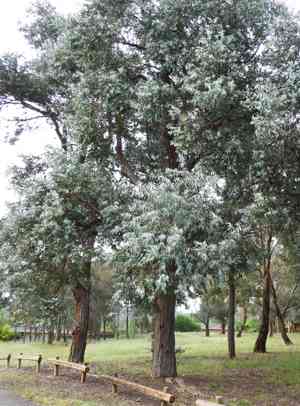
1
Transplanting aids your Argyle apple in preventing root constriction.
2
The optimal period to re-pot your Argyle apple is in spring or winter.
3
Confirm your Argyle apple's container has adequate drainage to avert saturated roots.
Why Transplanting Argyle Apple is Crucial
Understanding Root-Bound Conditions
When plants like the Argyle apple exceed their container size, they can become root-bound. This means their roots have grown so densely they encircle the pot, hindering the plant's capacity to absorb nutrients and water effectively. Over time, this can impede growth and even lead to health issues.
Indicators Your Argyle Apple Requires a New Container
Look for clear signs such as roots emerging from drainage holes, soil that dries out rapidly, and visible roots on the surface. Additionally, if your Argyle apple exhibits stunted development or its leaves are yellowing, it might be time for a larger pot.
Advantages of Repotting: Vigor and Development
Repotting provides your Argyle apple with more room to expand, fresh nutrient-rich soil, and an opportunity to remove any diseased or dead roots. This promotes healthier growth and enables your plant to flourish.
Selecting the Appropriate Pot and Substrate for Argyle Apple
Choosing the Optimal Pot Dimensions
Selecting the correct pot size is vital. For young Argyle apples, choose a container that is 2.5 to 5 centimeters (1-2 inches) wider in diameter than its current one. For mature plants, seek pots that allow at least 5-10 centimeters (2-4 inches) of extra space.
Key Characteristics of the Right Container
Ensure the pot includes drainage holes to prevent water accumulation. Terracotta pots are excellent as they facilitate good air circulation, but be aware they can dry out faster than plastic containers.
Selecting Soil That Fosters Health
A well-draining, loamy soil blend is perfect for Argyle apples. You can also incorporate some perlite or sand to enhance aeration and drainage. Steer clear of heavy, clay-rich soil that retains too much moisture.
How to Repot Argyle Apple: The Procedure
Preparation: Before You Begin
Gather all necessary supplies: the new container, fresh potting mix, a small trowel, and gloves. Water your Argyle apple a day or two prior to repotting to ensure the roots are hydrated and the soil is easier to manage.
Step-by-Step Transplanting Instructions
First, carefully extract the plant from its current pot. Gently loosen the root ball and trim any dead or excessively long roots. Place a layer of fresh soil in the new pot, position the plant at the correct height, and fill in around the root ball with soil. Lightly compress the soil to eliminate air pockets.
Post-Care: Ensuring a Smooth Adjustment
After repotting, thoroughly water your Argyle apple, allowing excess water to drain. Position the plant in an area with suitable light and temperature for its recovery. Monitor the plant over the subsequent weeks for any indications of stress or adaptation.
Common Errors to Avoid When Repotting Argyle Apple
Excessive Watering After Repotting
It's crucial not to overwater your Argyle apple immediately after repotting, as the roots require time to establish. Keep the soil moderately moist but not saturated.
Utilizing an Unsuitable Soil Mixture
Avoid using soil blends that do not provide adequate drainage and aeration. Standard garden soil can be too dense, leading to root rot.
Choosing an Inappropriately Sized Container
If the pot is too large, it can result in excessive moisture retention. Conversely, a pot that is too small will not accommodate root growth, causing the plant to become root-bound sooner.



