Boost Growth: How and When to Repot Your Lace Hedgehog Cactus Plant
1
The Lace Hedgehog Cactus flourishes when transplanted in Spring or Fall.
2
Always utilize a soil blend that drains effectively to avoid root decay.
3
Wear gloves to shield your hands from the cactus's sharp spines while repotting.
Why Replant Your Lace Hedgehog Cactus?
Understanding the Development Pattern of Lace Hedgehog Cactus
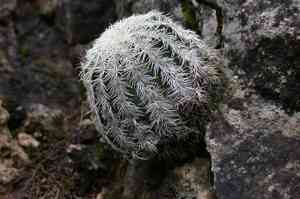
Replanting your Lace Hedgehog Cactus helps accommodate its growth over time, ensuring it has ample room for robust root development. This cactus, known for its striking purple-pink blooms and dense spines, grows slowly but consistently. As it matures, it will require more space to flourish, especially if roots become constricted or soil compacted.
Indicators That Your Lace Hedgehog Cactus Requires a New Container
Key signs that your Lace Hedgehog Cactus needs replanting include roots emerging from drainage holes, stunted growth, or soil that remains damp for too long. These indicators suggest the cactus has outgrown its current pot and needs a fresh environment to continue thriving.
When Is the Optimal Time for Replanting?
Seasonal Advice for Replanting Lace Hedgehog Cactus
The best times to replant a Lace Hedgehog Cactus are during Spring and Autumn. These seasons offer moderate temperatures and sufficient light, which aid the cactus in recovering from transplant stress. Avoid replanting during extreme temperatures, whether hot summer months or the cold of winter.
Assessing Plant Vitality Before Replanting
Before deciding to replant, ensure your Lace Hedgehog Cactus is in good health. Check for any diseases or pest infestations and treat them prior to replanting. A healthy cactus will recover from replanting stress more quickly and continue to grow vigorously in its new container.
Selecting the Appropriate Pot and Growing Medium
Material Considerations for New Containers
When choosing a new pot for your Lace Hedgehog Cactus, consider materials like terracotta or ceramic, which facilitate better moisture evaporation. Ensure the pot has adequate drainage holes to prevent water from accumulating at the bottom, which can lead to root decay.
Ideal Soil Mixture for Lace Hedgehog Cactus
A well-draining soil mix is essential for the Lace Hedgehog Cactus. Use a cactus or succulent-specific potting blend, or create your own by combining regular potting soil with sand or perlite in a 2:1 ratio. This mix allows for excellent drainage, mimicking the cactusâs natural arid habitat.
Step-by-Step Replanting Procedure
Preparing Your Work Area and Implements
Begin by gathering all necessary tools, including gloves, a new pot, fresh soil mix, and a small shovel or trowel. Choose a workspace that is clean and well-lit, with ample room to handle the cactus safely. Protect surfaces with newspaper or a plastic sheet to catch any soil spills.
Safely Extracting the Cactus from its Previous Pot
Carefully remove the Lace Hedgehog Cactus from its current pot. To do this safely, gently tap the sides of the pot to loosen the soil and root ball. Wearing gloves, hold the cactus through a protective cloth or use tongs specifically designed for handling cacti. Carefully lift the cactus out, ensuring minimal damage to the roots.
Post-Replanting Care for Lace Hedgehog Cactus
After placing the cactus in its new pot and filling it with fresh soil, allow it to settle for a few days before watering. This waiting period permits any root damage to heal. Once it's ready, water sparingly and position the cactus in a spot with plenty of indirect sunlight.
Addressing Common Issues After Replanting
Managing Root Decay and Infections
If your Lace Hedgehog Cactus develops root decay, identified by soft roots or an unpleasant smell, remove the affected roots and replant in fresh, dry soil. Monitor for signs of infection and treat with a fungicide if necessary.
When to Hydrate Newly Replanted Lace Hedgehog Cactus
Hydrate your freshly replanted Lace Hedgehog Cactus a few days after replanting. Initially, water sparingly to avoid overwatering, and gradually return to your regular cactus-watering schedule as it establishes in its new pot.



