Boost Growth: How and When to Repot Your Echeveria runyonii Plant
1
The best times to transplant Echeveria runyonii are during the Spring and Winter months.
2
Select a container that measures 2-3 cm (1 inch) wider across than its present pot.
3
Echeveria runyonii flourishes in a soil mixture that drains effectively, such as those formulated for cacti or succulents.
The Importance of Repotting Echeveria runyonii
Understanding the growth patterns of Echeveria runyonii
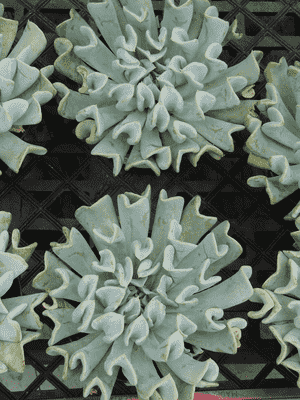
The Echeveria runyonii is a stunning succulent recognized for its vibrant, rosette-shaped, fleshy leaves. Originating from rocky environments, this plant has evolved to store water in its foliage, making it resilient and tolerant of drought. Grasping its growth cycle is crucial for successful repotting. Like many succulents, it experiences a growth surge during warmer periods and enters a more dormant state in cooler seasons. This cycle dictates that repotting should be timed to give the plant the best chance to adapt to its new surroundings without undue stress.
Recognizing indicators that your Echeveria runyonii requires repotting
It's vital to identify when your Echeveria runyonii needs a new container. Look for signs such as roots emerging from drainage holes, a dense root ball, stunted growth, or the plant becoming unstable. These indicators suggest the plant has outgrown its current pot or that the soil has become compacted and is no longer supplying adequate nutrients. Regular checks for these signs will help maintain your succulent's health and vitality.
Optimal Timing for Repotting
Ideal seasons for transplanting Echeveria runyonii
The most favorable times to repot your Echeveria runyonii are during its active growth phases in Spring and Winter. Repotting during these seasons enables the plant to recover quickly and establish its roots in the fresh soil. Avoid repotting during the height of summer or the coldest parts of winter when the plant is less active and less capable of handling the stress of being moved.
How frequently should you repot?
Typically, you should repot your Echeveria runyonii every two years. This duration allows the plant to develop sufficiently before requiring more space. However, if you notice signs of distress or that it's outgrowing its current pot, don't hesitate to repot sooner. Be aware that using an excessively large pot can sometimes lead to root rot, so ensure the plant has genuinely outgrown its home before deciding to repot.
Selecting the Appropriate Pot and Growing Medium
Choosing the perfect pot size and material
Select a pot that is 2-3 centimeters (1 inch) wider in diameter than the existing one. This size provides room for growth without overwhelming the plant. Materials such as terracotta or ceramic are excellent choices as they promote good drainage and air circulation. Ensure the pot has drainage holes to prevent water from accumulating at the bottom, which can cause root rot.
Recommendations for soil mix and amendments
Echeveria runyonii thrives in a well-draining soil. A cactus or succulent mix is ideal, as these formulations are designed to prevent water retention that can harm succulents. Incorporating perlite or sand can further enhance drainage. Avoid using standard potting soil, which retains too much moisture and can lead to root decay.
Step-by-Step Guide to Repotting Echeveria runyonii
Preparing your work area and gathering necessary tools
Before you begin repotting, set up your workspace. Collect essential items such as gloves, a small trowel, fresh potting mix, and the new pot. A tidy workspace with all required materials readily available will make the repotting process smooth and efficient.
Gently extracting the plant from its current container
Carefully remove your Echeveria runyonii from its existing pot. Gently grasp the base of the plant and tilt the pot to loosen the soil. You might need to lightly tap the pot or run a knife around the rim to help release the root ball. Avoid pulling on the leaves, as they are delicate and can easily break off.
Inspecting and pruning the root system if necessary
Once the plant is out of the pot, inspect the roots. Healthy roots should appear white or light brown and be evenly distributed. Trim any dead or decaying roots with clean scissors. This step helps the plant direct energy to healthy roots and establish itself more effectively in its new pot.
Positioning the plant in the new pot and adding soil
Place a layer of soil mix at the bottom of the new pot, then position your Echeveria runyonii so that the base of the plant is just below the pot's edge. Add soil around the plant, gently pressing it down to eliminate air pockets. Ensure the plant is stable but not buried too deeply.
Proper watering and post-repotting care
After repotting, water your Echeveria runyonii sparingly. Succulents are susceptible to rot if overwatered, especially after being transplanted. Allow the soil to dry out before watering again. Place the plant in a location that receives ample indirect sunlight to aid its acclimation. Monitor the plant over the next few weeks to ensure it is adjusting well to its new pot.
Addressing Common Issues After Repotting
Managing transplant shock and leaf shedding
Transplant shock is a common occurrence after repotting. Symptoms include leaves falling off and a generally wilted appearance. To alleviate this, ensure the plant is not overwatered and provide it with optimal light conditions. With appropriate care, your Echeveria runyonii should recover and begin to flourish within a few weeks.
Resolving symptoms of overwatering or underwatering
Excessive watering can lead to root rot, while insufficient watering causes the leaves to shrivel. Monitor the soil moisture and adjust your watering schedule accordingly. It's preferable to slightly underwater than to risk rotting the roots with too much moisture. Use a moisture meter to check if the soil is dry a few centimeters (1 inch) below the surface before watering.



