Boost Growth: How and When to Repot Your Painted-lady Plant
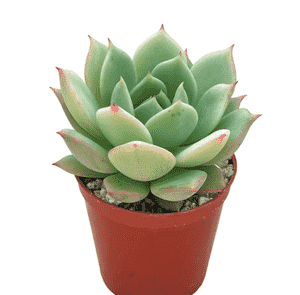
1
The best times to repot Painted-lady are during Spring and Winter.
2
Select a container approximately 2.5â5 cm (1â2 in) wider in diameter than its present one.
3
Verify the new container offers sufficient drainage to avoid excessive moisture.
Why You Should Replant Your Painted-lady
Promoting Robust Development: The Need for Sufficient Room
Replanting your Painted-lady guarantees ample room for its root system to expand. As succulents, Painted-lady plants flourish with space, fostering healthier and more vigorous growth. Over time, the plant can outgrow its container, leading to constricted roots and hindered development. A larger pot ensures your plant continues to thrive, showcasing its characteristic rosettes.
Revitalizing the Growing Medium: Advantages for Nutrient Absorption
Soil gradually loses vital nutrients. By replanting your Painted-lady, you introduce fresh soil rich in the necessary nutrients for growth. Succulents like the Painted-lady benefit from well-aerated and nutrient-dense soil, which enhances moisture retention and nutrient uptake. New soil also helps prevent diseases and pests linked to old and compacted growing medium.
Preventing Root Congestion: Safeguarding Plant Vitality
When a plant becomes root-bound, its roots have encircled the pot's base, struggling for space. This condition severely limits the plant's capacity to absorb water and nutrients. Replanting your Painted-lady prevents root congestion, ensuring its roots have ample room to spread and acquire the resources needed for a healthy, flourishing plant.
When is the Optimal Time to Replant a Painted-lady?
Recognizing Stress Signals in Your Plant
A primary indication that your Painted-lady requires replanting is the presence of stress signs. These include slowed development, discolored foliage, or roots emerging from drainage holes. If these symptoms appear, it's time to consider moving your plant to a larger container with fresh soil.
Seasonal Considerations for Replanting
The best times of year for replanting a Painted-lady are Spring and Winter. During Spring, the plant is emerging from dormancy and actively growing, which aids in quick recovery from transplant shock. In Winter, cooler temperatures and reduced sunlight lessen the plant's demands, making it less stressful for the Painted-lady to adapt to its new surroundings.
Choosing the Correct Container and Soil for Your Painted-lady
Selecting a Container: Material and Size Factors
Choosing the right container for your Painted-lady involves considering both its size and material. Aim for a pot approximately 2.5â5 centimeters (1â2 inches) wider in diameter than the current one. Terracotta or ceramic pots are ideal as they promote better air circulation to the roots. Ensure the pot has drainage holes to prevent waterlogging, which can cause root rot.
The Ideal Soil Blend for Painted-lady: Components and Characteristics
A well-draining soil mix is crucial for Painted-lady. A blend specifically for succulents is usually best, containing sand, perlite, and organic matter, ensuring proper drainage and nutrient availability. Avoid standard potting soil, as it retains too much moisture, potentially leading to root decay. You can create your own mix by combining cactus soil with coarse sand and perlite.
Detailed Instructions for Replanting a Painted-lady
Preparing Your Work Area and Assembling Tools
Before replanting, gather all necessary tools, including a new pot, soil mix, a trowel, and gloves. Prepare your workspace by spreading newspapers or a gardening mat to catch any spilled soil. Having everything ready and accessible will make the replanting process smoother and cleaner.
Carefully Removing the Plant and Cleaning Roots
To extract your Painted-lady from its current pot, gently tap the sides to loosen the soil. Carefully tip the pot and slide the plant out, supporting the root ball with your hand. Shake off excess soil from the roots and check them for any signs of rot or damage. Trim any unhealthy roots with sterilized scissors or pruning shears.
Adding Soil and Positioning the Plant
Fill the new pot about one-third with fresh soil mix. Center your Painted-lady and add more soil around the edges, gently pressing it down to remove air pockets. Ensure the plant sits at the same level as it did in the previous pot to avoid burying the stem too deeply.
Final Steps: Watering and Post-Replanting Adjustments
After positioning your plant, water it lightly to help the soil settle. Be careful not to overwater, as succulents are sensitive to excess moisture. Place your Painted-lady in a spot with indirect sunlight, allowing it to acclimate to its new surroundings. Gradually reintroduce it to more sunlight over the next few weeks.
Aftercare: Ensuring a Smooth Transition for Your Painted-lady
Adjustments to Watering Schedule After Replanting
Following replanting, slightly reduce your watering frequency to prevent waterlogging. Wait until the top 2â3 centimeters (1 inch) of soil feels dry before watering again. Gradually return to the regular watering schedule as the plant stabilizes in its new container.
Monitoring Development and Health Indicators
Keep a close watch on your Painted-lady for any signs of distress or poor growth. Look for vibrant, healthy rosettes and consistent growth as indicators of successful replanting. If you notice any yellowing leaves or signs of root rot, re-evaluate your watering practices and confirm the pot provides adequate drainage.



