Boost Growth: How and When to Repot Your Bleeding Heart Plant
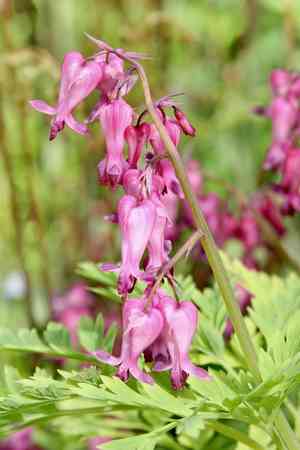
1
Bleeding Heart plants flourish most effectively when transplanted in Spring or Winter.
2
Confirm the fresh container offers sufficient drainage to avert root decay.
3
Following transplantation, modify the irrigation routine to prevent excessive watering.
Grasping When to Replant Your Bleeding Heart
Indicators that your Bleeding Heart requires transplanting
Transplanting your Bleeding Heart at the opportune moment guarantees robust development and flowering. Key indicators that your plant needs a new pot include roots emerging from drainage openings, the plant drying out rapidly post-watering, and a noticeable deceleration in growth. If the plant appears to be struggling or becoming too large for its container, it's time to consider repotting.
Optimal time of year for transplanting
The ideal period to replant your Bleeding Heart is during Spring or Winter. This timeframe allows the plant to adapt to its new container before the blooming season commences. Repotting during these seasons ensures the plant can efficiently recover from any stress induced by the transplanting process.
Choosing the Appropriate Container and Substrate for Your Bleeding Heart
Selecting a pot with adequate drainage capabilities
Picking a container with proper drainage is vital. Pots with drainage holes prevent water from accumulating at the base, which can lead to root rot. Ensure the new pot is slightly larger than the current one to encourage growth without overwhelming the plant with excessive soil.
Recommended types of soil mixtures
For your Bleeding Heart, an excellent draining potting mix is perfect. You can utilize a blend of standard potting soil combined with perlite or sand to enhance drainage. A soil mixture that retains some moisture yet still allows surplus water to drain away offers the perfect equilibrium for this species.
Detailed Instructions for Repotting Your Bleeding Heart
Preparing the new container
Start by getting the new pot ready. Ensure it is clean and possesses sufficient drainage holes. Place a layer of gravel or small stones at the bottom to further improve drainage. Then, add a layer of fresh potting soil, filling the pot approximately one-third full.
Carefully extracting the plant from its old pot
Gently remove your Bleeding Heart from its current container. To do this, tilt the pot to one side and carefully slide the plant out. If it resists, tap the sides and bottom of the pot to help loosen the root ball. Avoid pulling the plant forcefully as this can harm the roots.
Root pruning and plant positioning
Inspect the roots after removing the plant. Trim away any dead or decaying roots with sterilized shears. Position the plant in the center of the new pot, ensuring it sits at the same soil level as it did in the previous container. Fill in around the root ball with the remaining potting mix, gently patting it down to eliminate air pockets.
Adding substrate and watering after repotting
After placing the plant, fill the pot with soil until it reaches just below the rim. Water the plant thoroughly to help settle the soil. Allow any surplus water to drain out. Initial watering is crucial to help the plant adjust to its new surroundings, but be careful not to overwater in subsequent weeks.
Post-Repotting Care Advice for Your Bleeding Heart
Adjustments to watering frequency
Following repotting, you may need to modify your watering routine. Initially, water the plant more often to aid its recovery from transplant shock. Once established, ensure the soil remains consistently moist but not waterlogged. Reduce watering during dormant periods in winter.
Monitoring light exposure levels
Position your repotted Bleeding Heart in a spot where it receives bright, indirect illumination. Excessive direct sunlight can scorch the delicate foliage. Finding the right balance will foster healthy growth and abundant flowering.
Fertilization recommendations for vigorous growth
To encourage robust development, nourish your plant with a balanced, water-soluble fertilizer every 4-6 weeks during the active growing season. Avoid excessive fertilization, as this can lead to salt accumulation in the soil, potentially harming the plant.



