Boost Growth: How and When to Repot Your Chinese pink Plant
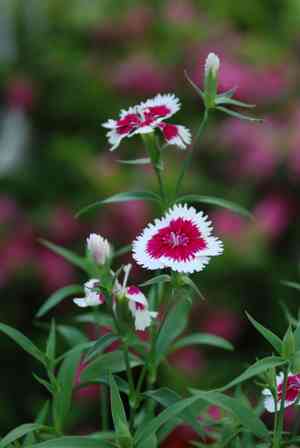
1
The best time to repot Chinese pink is typically in the spring or winter.
2
Indications that your Chinese pink requires repotting are roots emerging from the pot's bottom and inhibited development.
3
Employing soil that drains effectively is vital for the well-being of your Chinese pink.
Why Replant Your Chinese pink?
Identify growth signals indicating the need for repotting Chinese pink
Replanting your Chinese pink becomes necessary when specific growth cues are observed. These include roots emerging from drainage openings or the soil's surface, signifying the plant has outgrown its container. The plant might also exhibit stunted development despite receiving optimal care. Recognizing these signs is vital, as they indicate the plant requires more room and nutrients to continue thriving.
Advantages of replanting for plant vitality and flowering
Replanting your Chinese pink offers several advantages. Firstly, it provides new soil, which replenishes vital nutrients. Secondly, a larger container prevents root constriction, fostering healthier root growth and overall development. Lastly, replanting can boost flowering, enabling your Chinese pink to produce more vibrant and abundant blossoms.
Optimal Timing for Replanting Chinese pink?
Determining the ideal season for transplanting
The best period to replant your Chinese pink is during spring or winter. Transplanting during these seasons ensures the plant experiences minimal stress and can adapt well to its new surroundings. The moderate temperatures and favorable conditions during these times of the year support healthy root establishment and growth.
Indicators that your Chinese pink is ready for a new container
Several signs suggest your Chinese pink is prepared for replanting. Besides roots growing from the pot's drainage holes, you might notice the plant's growth has significantly slowed, or its leaves are yellowing despite proper care. These signs imply the plant needs more space and fresh soil to flourish.
Selecting the Right Materials
Choosing the appropriate pot size and composition
Selecting the correct pot is crucial for the successful development of your Chinese pink. Opt for a container that is 2-3 centimeters (1-2 inches) wider in diameter than the current one. Both ceramic and plastic pots are suitable, but ensure the pot has drainage holes to prevent waterlogging. Proper drainage helps maintain the plant's health by allowing excess water to escape.
The best substrate blend for Chinese pink
A well-draining substrate blend is perfect for Chinese pink. You can use a general-purpose potting mix combined with perlite or sand to improve drainage. The soil should be light and airy, allowing the roots to breathe and preventing root rot. Ensuring the right soil mix creates an optimal environment for your plant's growth and development.
Step-by-Step Guide to Replanting Chinese pink
Prepare the plant and container for transplanting
Before you begin replanting, ensure you have all necessary supplies: a new pot, fresh soil mix, and a watering can. Start by thoroughly watering the Chinese pink a day before replanting to ease the removal of the plant from its current pot. Gently tap the sides of the pot to loosen the soil, and carefully slide the plant out, holding it near the base.
Detailed replanting procedure
Fill the new pot with a layer of the fresh soil mix.Position the Chinese pink in the center of the new pot.Fill the remaining space around the plant with more soil, ensuring it is firmly packed but not overly compressed.Water the plant thoroughly to help settle the soil and eliminate air pockets.Place the repotted plant in a location with indirect sunlight.
Post-care: Ensuring your Chinese pink thrives after replanting
After replanting, observe your Chinese pink closely. Water it consistently but avoid overwatering. The plant might experience a period of adjustment, so be patient if there are minor changes in its appearance. Continue providing proper light, water, and fertilizer, and your Chinese pink will soon demonstrate robust growth and vibrant blooms.



