Boost Growth: How and When to Repot Your Winter daphne Plant
1
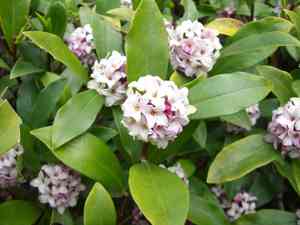
Winter daphne is recognized for its aromatic blossoms appearing from late winter through early spring.
2
The best period to transfer a Winter daphne to a new container is in spring or winter.
3
Refrain from utilizing excessively large containers when re-potting, as Winter daphne thrives in somewhat restricted root environments.
Why Is It Time to Replant Your Winter daphne?
Identifying root-bound indicators in your plant
A clear indication your Winter daphne requires replanting is the presence of root-bound symptoms. Roots emerging from drainage holes, stunted growth, or yellowing foliage suggest the plant's roots have outgrown their container, hindering proper nutrient uptake.
Understanding the growth pattern of Winter daphne
Winter daphne, valued for its vibrant blooms from late winter to early spring, experiences active development after its flowering period. This timing makes spring or winter the optimal seasons for replanting, allowing the plant to establish new roots before its next growth cycle begins.
Selecting the Appropriate Container and Substrate for Winter daphne
Choosing a container that supports your plantâs development
When replanting Winter daphne, opt for a pot only one size larger than its current one, approximately 2-4 centimeters (1-2 inches) in diameter. This prevents water from pooling in an excessively large container and promotes a snug root environment, fostering healthy growth.
Optimal soil blend for encouraging robust roots and drainage
Winter daphne thrives in well-draining soil with a slightly acidic to neutral pH. A mixture of potting soil, peat moss, and perlite (roughly 60:20:20 ratios) provides the necessary drainage and moisture retention. Steer clear of dense, clay-heavy soils, which can impede root development and lead to root rot.
Step-by-Step Guide to Replanting Winter daphne
Preparation steps prior to replanting
Start by watering your Winter daphne a day before the procedure to facilitate removal. Gather supplies such as the new pot, fresh soil mix, and pruning tools. Ensure your workspace is clean to prevent infections.
How to safely extract your plant from its current container
Gently tip the pot and tap its sides to loosen the root ball. Carefully slide the plant out, supporting the stem to prevent damage. If roots are tightly bound, use a sterilized knife to make vertical cuts, encouraging new growth.
Key advice for root trimming and positioning
Examine the roots and trim any damaged or overly long ones with sterilized scissors. Position the plant in the center of the new pot, fill with your soil mix, and gently firm it to eliminate air pockets.
Post-care to ensure a smooth adjustment
Water thoroughly after replanting, then place your Winter daphne in a shaded location for a few days to minimize transplant shock. Gradually return it to its preferred sunlight conditions, and monitor soil moisture to prevent overwatering.
What to Avoid When Replanting Winter daphne
Common errors that can harm your Winter daphne
Avoid excessively disturbing the root ball or using an oversized pot. Both can stress the plant and impede growth. Also, refrain from replanting during peak growth periods (late spring to summer) to prevent undue stress.
Monitoring your plant for stress after replanting
Following replanting, observe for signs of stress such as wilting, leaf drop, or yellowing. Ensure the plant is hydrated, but not waterlogged, and gradually adjust light exposure to help it acclimate.



