Boost Growth: How and When to Repot Your String of pearls Plant
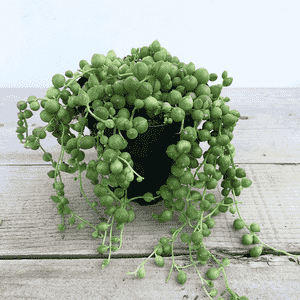
1
Replanting your String of pearls biennially or triennially promotes their best development.
2
The most suitable times for relocating String of pearls are during spring and winter.
3
Employing a substrate that drains efficiently is vital for the well-being of your String of pearls.
Why Is It Essential to Repot Your String of pearls?
Understanding Growth Patterns: How root-bound plants need space
All plants require room to expand, and the String of pearls is no different. As these delightful pearls develop, they can become root-bound if kept in the same container for an extended period. A root-bound plant has roots that have grown too dense and started to encircle the pot, which can hinder further development and restrict nutrient absorption. Repotting provides the necessary area for roots to spread, ensuring your plant remains vigorous and continues to thrive.
Enhancing Plant Health and Vigor: The impact of fresh soil
New potting mix significantly contributes to the well-being of your String of pearls. Over time, soil can lose its nutritional content and become compressed, limiting oxygen flow to the root system. Repotting with a fresh soil blend replenishes nutrients and offers a superior medium for roots to access the vital oxygen they require. This straightforward action can markedly improve your plant's overall health and strength.
Preventing Diseases and Pests: Benefits of changing old compacted substrates
Aged soil can harbor pests and diseases that can negatively impact your String of pearls. By repotting, you replace the old, potentially contaminated soil with a new substrate, thereby reducing the risk of infections and infestations. This proactive measure aids in maintaining a pest-free environment and ensures your plant stays robust and beautiful.
When to Repot Your String of pearls?
Spotting the Signs: Root exposure and slow growth
Knowing the ideal time to repot your String of pearls is vital. Indicators that your plant needs repotting include roots emerging from the drainage holes or visible on the soil surface, signaling that the plant has outgrown its current container. Furthermore, if you observe stunted development or if the plant appears to be struggling despite proper care, it may be time for a new pot.
Seasonal Tips: Best times of the year for repotting
The most favorable times to repot your String of pearls are during Spring and Winter. These seasons provide the best conditions for the plant to recover from the repotting process and become established in its new soil. Repotting during these periods allows the plant to benefit from the growing season's light and warmth (Spring) or the dormancy phase (Winter) when the plant experiences less stress.
Selecting the Right Pot and Soil
Choosing a Suitable Pot: Size, material, and drainage considerations
Selecting the appropriate pot is crucial for the vitality of your String of pearls. Opt for a pot that is slightly larger than the current one, providing room for root expansion. The pot's material is also important – terracotta pots are highly recommended due to their breathability. Most importantly, ensure the pot has ample drainage holes to prevent water accumulation, which can lead to root decay.
Ideal Soil Mix for String of pearls: Components for healthy growth
A well-draining soil mixture is essential for String of pearls. An optimal blend includes elements such as cactus soil, perlite, and coarse sand. This combination ensures proper drainage and prevents water from pooling around the roots, which can cause rot. Incorporating a small amount of organic matter can also provide much-needed nutrients and foster more vigorous growth.
Steps to Successfully Repot Your String of pearls
Removing the Plant Carefully: Minimizing root damage
To begin, gently extract your String of pearls from its current container. Carefully tap the pot's sides to loosen the soil. Supporting the plant at its base, slowly lift it out, being careful not to pull or tug on the delicate pearls. If the plant is root-bound, you may need to cautiously untangle the roots with your fingers.
Refreshing the Soil: How to mix and prepare the new substrate
Prepare the fresh soil mix by combining cactus soil, perlite, and coarse sand in equal proportions. This blend offers excellent drainage and supports root health. Before placing the plant in its new pot, add a layer of this mix at the bottom. Hold the plant upright as you fill in the sides with the prepared soil, gently patting it down to eliminate air pockets.
Repotting Techniques: Placement, packing, and initial watering
Position the plant centrally in the new pot. Fill the sides with the soil mix, ensuring the plant is stable but not overly compacted. After potting, give the plant a light watering. Avoid excessive watering, as the roots require time to adapt to the new soil. Place the repotted plant in a location with bright, indirect light and allow it to acclimate.
Aftercare: Ensuring a Smooth Transition
Light and Watering: Adjustments post repotting
After repotting, your String of pearls may need some modifications in light exposure and watering. Initially, keep the plant in a somewhat shaded area to aid its recovery from the shock. Gradually relocate it to a brighter spot to resume its usual light levels. Water sparingly during the initial weeks, as the roots are adapting. Ensure the soil is dry before the next irrigation.
Monitoring Growth and Health: What to look for in the weeks following
Closely observe your plant in the weeks subsequent to repotting. Look for indications of new growth, which signals that the plant is adjusting favorably. Keep an eye out for any signs of stress, such as wilting, discoloration, or pest activity. Consistent monitoring ensures you can take prompt action if any issues arise, leading to a healthy and flourishing String of pearls.



