Boost Growth: How and When to Repot Your Firecracker flower Plant
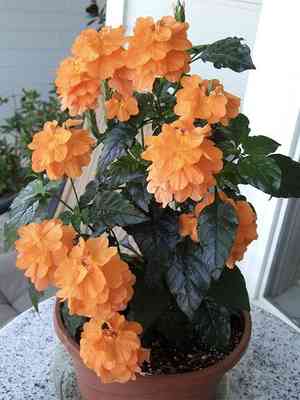
1
For best development, Firecracker flowers are best transplanted in the spring or winter.
2
Choose a container just a bit bigger than its present one to prevent excessive moisture.
3
A potting mix that drains effectively is essential for your Firecracker flower's well-being.
Why Replant Your Firecracker Bloom?
Recognize indicators that your Firecracker bloom needs a new container
As a lively tropical plant, the Firecracker bloom might exceed its pot size sooner than anticipated. Clues that your plant requires replanting include roots emerging from drainage openings, the potting medium drying out much quicker than usual, and a general decrease in growth rate. If these signs appear, it's time to consider providing your Firecracker bloom with a larger, more comfortable dwelling.
Advantages of replanting: Boosting development and vitality
Replanting your Firecracker bloom not only grants it additional room but also revitalizes the soil, which can become nutrient-deficient over time. Fresh potting mix encourages healthier root formation and overall development. Furthermore, replanting can eliminate any pests or diseases harbored in the old substrate, contributing to a more vibrant and flourishing plant.
Selecting the Appropriate Container and Substrate for Firecracker Bloom
Choosing a container: Dimensions, material, and drainage considerations
When picking a new container for your Firecracker bloom, it's vital to consider its size, composition, and water drainage. Opt for a pot that is only 2-3 centimeters (approximately 1 inch) wider in diameter than the current one. This helps prevent excessive watering. Terracotta or ceramic pots are beneficial as they allow surplus moisture to evaporate more effectively. Regardless of the material, ensure the pot has sufficient drainage holes to prevent waterlogged soil, which can cause root decay.
The optimal soil blend for flourishing Firecracker blooms
The Firecracker bloom thrives in well-draining soil rich in organic matter. A mixture of potting soil, perlite, and some compost can offer excellent drainage and nutrient content. Aim for a ratio of 2 parts potting soil to 1 part perlite and 1 part compost. This combination will ensure that your plant's roots receive the correct balance of moisture and air, promoting robust growth.
Step-by-Step Guide to Replanting a Firecracker Bloom
Preparing your work area and gathering necessary implements
Before you begin replanting your Firecracker bloom, prepare your workspace with all the required tools. You'll need a new pot, fresh potting mix, perlite, compost, a small shovel, and gardening gloves. Lay down some newspapers or a plastic sheet to catch any spilled soil.
Safely extracting the plant from its current container
To remove your Firecracker bloom from its current pot, gently tilt the pot on its side and carefully slide the plant out, supporting the base to avoid damaging the roots. If the plant is root-bound, you may need to tap the sides of the pot or use a knife to loosen the soil around the edges.
Transplanting: Methods for minimizing stress on your Firecracker bloom
Place a layer of fresh soil mix at the bottom of the new pot. Center your Firecracker bloom in the pot and fill in around the sides with more soil mixture, pressing down gently to eliminate air pockets. Be sure not to plant it too deeply; the top of the root ball should be level with the soil surface. Water the plant lightly after transplanting to help settle the soil.
Post-care advice: Irrigation, placement, and initial weeks' attention
After replanting, position your Firecracker bloom in a spot with bright, indirect illumination. Water it sparingly for the first few weeks to allow the roots to acclimate. Overwatering can stress the plant in its new container. Observe for signs of distress, such as wilting or yellowing leaves, and adjust care as needed.
Common Errors to Avoid When Replanting Firecracker Blooms
Excessive watering after replanting: Balancing moisture levels
One of the most frequent errors after replanting is overwatering. While it's crucial to keep the soil moist, too much water can lead to root rot. Water the soil lightly immediately after replanting, then allow the top 2-3 centimeters (1 inch) of soil to dry out before watering again. Observe the plant and adjust watering based on its response.
Neglecting root health during the replanting procedure
It's essential to inspect the roots when replanting your Firecracker bloom. Trim away any dead, blackened, or soft roots as these can harm the overall health of your plant. Healthy roots are white and firm. Paying attention to the root system can prevent future issues and support your Firecracker bloom's vitality.



