Boost Growth: How and When to Repot Your Jade plant Plant
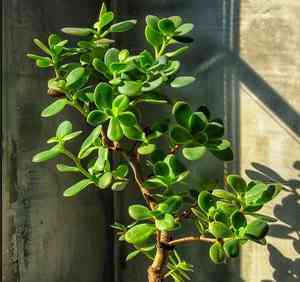
1
The best periods for transplanting a Jade plant are in spring and winter.
2
Choose a container that has a diameter 2-3 cm (1 inch) wider than its existing one.
3
Employ a soil mixture with good drainage, such as a succulent blend, to avoid root decay.
Knowing When to Replant Your Jade
Indicators that your Jade plant requires a new pot
It's vital to recognize when your Jade plant needs transplanting for its continued well-being and development. Typical signs include roots emerging from drainage holes, the plant becoming top-heavy or leaning, rapid soil drying after irrigation, and visible salt or mineral accumulation on the soil's surface. Observing these indicators means it's time to contemplate providing your plant with a refreshed habitat.
Optimal time of year for transplanting
Repotting is best performed during your Jade plant's active growth periods, specifically spring and winter. These seasons provide ideal circumstances for healing and development, as the plant is actively generating new roots and leaves. Refrain from repotting during the plant's dormant phase in summer or autumn when it is less likely to adapt well to novel soil and container conditions.
Choosing the Appropriate Container and Substrate for Your Jade
Selecting the correct pot size and material
When choosing a new container for your Jade plant, aim for one approximately 2-3 cm (1 inch) wider in diameter than its current pot. This ensures ample space for root expansion without overwhelming the plant. Terracotta pots are an excellent choice due to their porous nature, offering improved root aeration and preventing waterlogged conditions. Confirm the pot has drainage holes to allow excess moisture to escape.
Suitable soil types for Jade plants
The growing medium you select for your Jade plant should facilitate excellent drainage to avert root rot, a frequent issue in succulents. A commercial succulent blend is ideal, as it's formulated to provide the correct balance of nutrients and drainage. If you're custom-mixing your substrate, combine equal parts of potting soil, coarse sand, and perlite or pumice. This combination ensures good aeration and prevents soil compaction, which can suffocate roots.
Step-by-Step Instructions for Replanting a Jade
Preparing your workspace
Before starting, gather all necessary items: a new container, appropriate growing medium, gloves, a small shovel, and a watering can. Select a clean, flat area to work on, and cover it with newspaper or an old sheet to catch any spilled soil. Having everything prepared ensures a smoother repotting process without unnecessary interruptions.
Extracting your Jade plant from its old pot
Carefully tilt the pot onto its side and gently tap the bottom and sides to loosen the soil. Hold the plant at its base and softly slide it out, supporting the root ball to avoid damage. If the plant is stuck, use a small trowel to carefully loosen the soil around the edges. Be patient and avoid forcefully pulling the plant, as this can injure the roots.
Transferring into the new pot
Once the plant is out, remove any old soil clinging to the roots. Place a layer of fresh growing medium at the base of the new pot. Position your Jade plant in the center, and fill around the roots with the new substrate. Gently press down the soil to eliminate air pockets, but avoid compacting it too tightly. Leave a small space between the soil surface and the pot rim to allow for watering.
Post-repotting care for your Jade plant
Following repotting, provide your Jade plant with a light watering to help settle the soil. Place it in a bright location with indirect sunlight and initially avoid direct sun exposure, as the plant adjusts to its new surroundings. Monitor the plant closely for the first few weeks and water sparingly, allowing the soil to dry out slightly between waterings. Gradually resume your standard care routine once the plant exhibits signs of new growth.
Common Errors to Avoid When Replanting Jade Plants
Excessive watering after transplanting
A frequent error is overwatering immediately after repotting. The roots require time to establish in the new soil, and too much water can lead to root rot. Water lightly for the initial few weeks and ensure the soil is sufficiently dry between irrigations before resuming a regular watering schedule.
Using an unsuitable growing medium
Avoid using standard potting soil for your Jade plant, as it retains too much moisture and can cause root rot. Always opt for a well-draining succulent mix or formulate your own blend with components like perlite, coarse sand, and potting soil. This guarantees adequate aeration and proper drainage for robust root development.
Damaging roots during transplantation
Roughly handling the roots during repotting can inflict significant harm and impede the plant's recovery. Be gentle when extracting the plant from its old container and when positioning it into the new one. If you observe any broken or injured roots, trim them with sterilized shears before planting to prevent infection and encourage healthy regrowth.



