Boost Growth: How and When to Repot Your Rockspray cotoneaster Plant
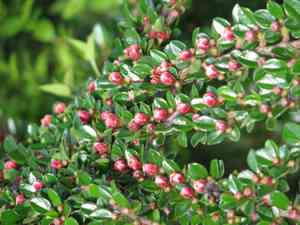
1
The best period to transplant your Rockspray cotoneaster is in Spring or Winter.
2
Select a container that measures 2-3 inches (5-8 cm) wider than its present one.
3
Confirm your soil blend allows for good drainage to avoid root decay.
The Importance of Repotting Your Rockspray Cotoneaster
Understanding the Growth Cycle
Transplanting your Rockspray cotoneaster is vital for its well-being and to promote vigorous development. As the plant matures, its root system expands and can become congested, leading to less effective nutrient and water uptake.
Indicators for Repotting
Look for roots emerging from drainage holes, the plant becoming top-heavy, or the soil drying out rapidly. These are clear signs your Rockspray cotoneaster requires a larger container.
Advantages of Repotting
Repotting can rejuvenate your Rockspray cotoneaster by providing fresh substrate, more room for root expansion, and enhanced nutrient access. Your plant will thrive with improved support and increased space to grow.
Optimal Timing for Repotting
Seasonal Considerations
The best periods to transplant your Rockspray cotoneaster are during Spring or Winter. These seasons offer ideal conditions to minimize stress on the plant.
Weather and Environmental Factors
Aim to repot on a mild day with stable temperatures. Extreme weather can shock your plant, so it's best to avoid repotting during heatwaves or cold spells.
Choosing the Right Pot and Soil for Your Rockspray Cotoneaster
Selecting the Appropriate Pot Size
Choose a container that is approximately 2-3 inches (5-8 cm) wider in diameter than the current one. This size provides ample space for growth without overwhelming the root system.
Ideal Soil Mixtures
A well-draining soil blend is essential for your Rockspray cotoneaster. Consider using a mix of potting soil, perlite, and sand to ensure proper drainage and aeration.
Detailed Guide to Repotting Rockspray Cotoneaster
Preparing the New Container
Begin by thoroughly cleaning the new pot. Add a layer of gravel or small stones at the bottom to enhance drainage. Then, fill halfway with your chosen soil mixture.
Safely Removing the Plant
Gently loosen the soil around the edges of the current pot. Carefully lift the Rockspray cotoneaster out, supporting the base to prevent root damage.
Positioning and Planting
Place the plant in the center of the new pot, ensuring it's at the same soil depth as before. Fill in around the roots with the soil mixture, gently firming it to remove air pockets.
Post-Repotting Care
After transplanting, water the plant thoroughly and place it in a shaded area for a few days to help it acclimate. Gradually reintroduce it to its usual location and care routine.
Addressing Common Issues After Repotting
Managing Wilting Foliage
Post-transplant stress may cause wilting. Ensure your Rockspray cotoneaster is not in direct sunlight and maintain consistent moisture levels.
Handling Root Shock
Root shock can occur after significant disturbances. Minimize this by handling your plant gently and keeping environmental conditions stable.
Pest Management After Repotting
Inspect your plant regularly for pests after repotting. Use natural pest deterrents or insecticidal soap if necessary to keep your Rockspray cotoneaster healthy.



