Boost Growth: How and When to Repot Your Whorled tickseed Plant
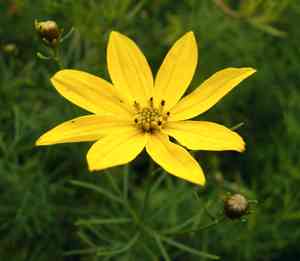
1
Whorled tickseed flourishes optimally when transplanted in spring or winter.
2
Select a container that is consistently 2-3 cm (1 inch) wider than its present one.
3
A soil blend that drains effectively is vital for robust Whorled tickseed development.
Why Replant Your Whorled tickseed?
Understanding the Growth Pattern of Whorled tickseed
The Whorled tickseed, a lovely blooming plant, follows a growth pattern that includes periods of rapid development and dormancy. During its active growth phase, the plant's root system can become constricted within its container, hindering its ability to efficiently absorb nutrients and water. Over time, the soil can also lose its nutritional content and structure, making replanting necessary. Replanting not only provides more room for the roots but also revitalizes the soil, ensuring your Whorled tickseed continues to thrive.
Indicators That Itâs Time for a New Pot
Several indicators suggest your Whorled tickseed might require replanting. If you observe roots emerging from the drainage holes at the pot's base, it's a clear sign the plant needs more room. Additionally, if the plant appears to wilt more quickly than usual after watering, it might be struggling due to being root-bound. A noticeable decrease in growth or a general decline in the plantâs vigor can also indicate that replanting is essential.
Selecting the Appropriate Container and Substrate
Choosing the Correct Pot Size for Whorled tickseed
When choosing a new container for your Whorled tickseed, ensure it is 2-3 cm (1 inch) larger in diameter than the current one. This gradual increase provides ample space for root expansion without overwhelming the plant. A pot that is too large can retain excessive moisture, leading to root rot. Opt for containers with drainage holes to prevent water accumulation at the bottom, which can be detrimental to the plant's health.
Optimal Soil Blend for Whorled tickseed
A well-draining soil mixture is crucial for the health of your Whorled tickseed. A combination of standard potting soil with added perlite or sand works well to ensure proper drainage. You can also incorporate compost to enhance the soilâs nutrient content. A balanced soil blend prevents waterlogged conditions, which could otherwise lead to root diseases.
Procedure for Replanting Whorled tickseed
Preparing the New Container
Begin by filling the new pot with a layer of fresh soil mix. This foundational layer supports the roots and ensures the plant is not resting directly on the pot's base. Make sure this layer leaves enough space for the plant's root ball to fit comfortably without the pot becoming overly full.
Carefully Removing the Plant
To extract the Whorled tickseed from its current container, gently tilt the pot on its side and slide the plant out. If the plant is stuck, you can tap the pot's sides or use a flat tool to loosen the soil around the edges. Handle the plant by its base to avoid damaging the stems and foliage.
Placement and Soil Replenishment
Position the Whorled tickseed in the new pot, ensuring it sits at the same depth as it did in the old pot. Begin filling in around the root ball with fresh soil, gently pressing down to eliminate air pockets. Avoid burying the plant too deeply as this can stress the plant and hinder its growth.
Post-Replanting Care
After replanting, thoroughly water the Whorled tickseed to help settle the soil and hydrate the plant. Initially, place the plant in a location with indirect sunlight, allowing it to adjust to its new surroundings. Resume regular care routines, including watering and fertilizing as needed. Monitor the plant for any signs of stress or adjustment issues.
Common Questions About Replanting Whorled tickseed
How Frequently Should Whorled tickseed Be Replanted?
Typically, Whorled tickseed should be replanted every two to three years, or when you observe indicators suggesting the need for more room. Regularly check for signs such as a root-bound condition or diminished soil quality to determine when replanting is necessary.
Can Replanting Impact Flowering in Whorled tickseed?
Yes, replanting can temporarily affect the blooming of your Whorled tickseed. The plant may experience mild transplant shock, diverting its energy from flowering to root establishment. However, in the long term, replanting revitalizes the plant and promotes healthier growth and more abundant flowering.



