Boost Growth: How and When to Repot Your Cabbage tree Plant
1
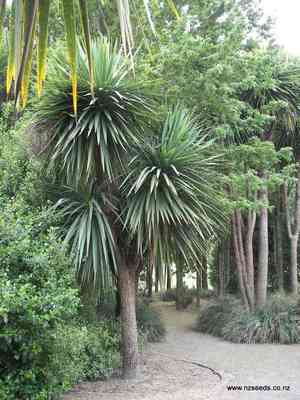
Cabbage trees develop slowly, potentially reaching heights of 20 meters (65 feet).
2
Repotting is crucial for Cabbage trees to avoid root constriction and encourage robust development.
3
The optimal period for transplanting a Cabbage tree is in the spring or winter months.
When to Replant a Cabbage tree?
Recognizing Indications of a Root-Bound Cabbage tree
Eventually, your Cabbage tree might become root-bound, meaning its root system has outgrown its current container. Signs of this include roots emerging from drainage holes, stunted development, and yellowing foliage. If you lift the plant and observe a dense root mass instead of soil, it's time for a new pot.
Optimal Periods for Replanting a Cabbage tree
The most suitable time to replant a Cabbage tree is during the spring or winter. These seasons are ideal because the plant is either actively growing (spring) or dormant (winter), which minimizes stress and aids in its adjustment to a new environment. Refrain from replanting during extreme weather, as this can shock the plant.
Choosing the Appropriate Container and Substrate for a Cabbage tree
Selecting the Perfect Pot Dimensions and Material
When choosing a new container for your Cabbage tree, it's vital to pick one that is 2-5 centimeters (1-2 inches) wider in diameter than its current pot. The pot's material also matters. Terracotta pots offer excellent air circulation but can dry out quickly, whereas plastic pots retain moisture more effectively. Ensure the pot has drainage holes to prevent water accumulation.
Best Soil Mixtures for Cabbage tree Health and Development
A well-draining potting mix is crucial for your Cabbage tree's well-being. You can use a commercial cactus and succulent blend or create your own by combining garden soil, coarse sand, and peat moss in equal proportions. This mixture provides good aeration and drainage, preventing root rot and encouraging robust growth.
Procedure for Replanting Your Cabbage tree
Preparing Your Cabbage tree and Work Area
Begin by gathering all necessary items such as a new pot, fresh soil mix, and pruning shears. Water the Cabbage tree the day before replanting to facilitate its removal from the current pot. Set up your workspace where you can comfortably handle the plant and soil without creating excessive mess.
Safely Removing the Cabbage tree from Its Current Container
To extract the Cabbage tree from its old pot, gently tilt the pot and tap the base to loosen the root ball. Carefully slide the plant out, taking care not to harm the roots. If the plant is stuck, use a knife to gently run along the pot's inner edge to free the roots.
Root Trimming: When and How to Perform It
Inspect the roots once the plant is out of the pot. Trim away any dead or unhealthy roots using sterilized pruning shears. If the plant is severely root-bound, you may need to prune the roots to prevent them from circling and hindering growth. Ensure you only remove about one-third of the roots to avoid shocking the plant.
Transplanting the Cabbage tree into the New Container
Place a layer of fresh potting mix in the new pot. Position the Cabbage tree in the center and fill around the roots with more soil mix, ensuring even distribution. Do not compact the soil too tightly, as this can restrict airflow to the roots. Leave about 2-3 centimeters (1 inch) of space at the top of the pot for watering.
Post-Replanting Care Advice
After replanting, water the Cabbage tree thoroughly until water drains from the bottom. Place the plant in a location with bright, indirect sunlight. Avoid fertilizing immediately after replanting; wait a few weeks for the plant to adjust to its new pot. Monitor soil moisture and ensure it remains consistently moist but not waterlogged.
Common Errors to Avoid When Replanting a Cabbage tree
Preventing Excessive Watering Immediately After Replanting
A frequent error is over-watering the Cabbage tree right after replanting. While initial watering is important, overly frequent irrigation can lead to root rot. Allow the soil to dry out slightly between watering sessions.
Choosing the Wrong Pot Size and Material
Selecting an incorrect pot size or material can cause problems for your Cabbage tree. A pot that is too large can result in water retention and root rot, while a pot that is too small will restrict root development. Also, avoid pots without drainage holes as they prevent excess water from escaping.
Ignoring Signs of Pests or Disease Before Replanting
Always inspect your Cabbage tree for any indications of pests or diseases before replanting. Replanting a sick plant can worsen its issues. Remove any affected areas and treat the plant with appropriate pesticides or fungicides before replanting.



