Boost Growth: How and When to Repot Your Lily of the valley Plant
1
Lily of the valley generally requires transplanting every two to three years.
2
The best period for repotting Lily of the valley is in the Spring or Winter.
3
Adequate drainage is essential to avoid root decay.
Why Replant Your Lily of the Valley?
Understanding Its Growth Pattern
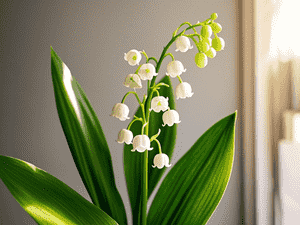
Lily of the valley is a perennial that thrives in shaded spots, producing small, bell-shaped flowers. Over time, its rhizomes spread and can become congested, leading to diminished growth and fewer blossoms. Knowing its growth cycle helps identify optimal replanting times, typically every 2-3 years, to maintain peak health and output.
Indicators for a New Container
Several signs suggest your Lily of the valley requires replanting. These include roots emerging from drainage holes, soil drying out quickly after watering, and a noticeable decrease in growth. If these appear, it's time to provide your plant with more room to flourish.
Advantages of Replanting
Replanting offers many benefits: it revitalizes the soil, enhancing nutrient absorption, and lessens the risk of root-bound conditions that can hinder growth. Additionally, fresh soil improves drainage and aeration, creating a better environment for the Lily of the valley's root system.
Selecting the Right Container and Substrate for Lily of the Valley
Choosing the Optimal Pot Size and Material
Select a pot approximately 2-4 inches (5-10 cm) wider than its current one. Opt for materials like terracotta or ceramic, which allow air circulation, helping prevent overwatering. Ensure the pot has sufficient drainage holes to avoid waterlogging and root rot.
Explained: Best Soil Mixtures
Lily of the valley prefers well-draining soil that retains some moisture. A blend of potting soil, peat moss, and perlite or sand ensures good drainage and aeration. This combination helps maintain balanced moisture levels, vital for the plant's well-being.
Preparing for Replanting: Before You Start
Gathering Necessary Tools and Supplies
Before replanting, collect all required tools and materials. You'll need a new pot, fresh soil mix, a small trowel, pruning shears, and protective gloves. Having everything ready makes the process smoother and faster.
Pre-Repotting Watering: Its Importance
Watering your Lily of the valley a day before replanting helps loosen the soil and reduces plant stress during the transfer. Moist soil is easier to manage and helps keep the root ball intact during the transition.
Step-by-Step Replanting Process for Lily of the Valley
Safely Removing the Plant
To extract the Lily of the valley from its current pot, gently tap the sides and tilt the pot to slide the plant out. If it's stuck, carefully use a trowel to loosen the soil around the edges. Handle the plant gently to prevent root damage.
Root Examination and Trimming
Once removed, inspect the roots for any signs of decay or disease. Healthy roots should be white or light brown. Trim away any black, soft, or dead roots with clean pruning shears to encourage healthy new growth.
Placement and Positioning in the New Container
Place a layer of fresh soil at the bottom of the new pot. Position the Lily of the valley centrally and fill around the roots with the soil mix, ensuring the plant is at the same depth as before. Gently press down the soil to remove air pockets.
Final Steps: Soil Addition and Watering
After positioning the plant, add more soil, leaving about an inch (2.5 cm) from the pot's rim for watering space. Water the plant thoroughly until water drains from the bottom holes. This helps settle the soil and ensures good root contact with the new medium.
Aftercare: Ensuring the Health of Your Replanted Lily of the Valley
Immediate Post-Repotting Advice
Place the newly replanted Lily of the valley in a shaded, protected spot to minimize transplant shock. Water it moderately and avoid direct sunlight until it shows signs of new growth. This gentle approach helps the plant adapt to its new surroundings.
Long-Term Care and Maintenance
For long-term health, keep your Lily of the valley in a cool, partially shaded location. Maintain consistent watering, ensuring the soil stays moist but not waterlogged. Fertilize with a balanced, water-soluble fertilizer every 4-6 weeks during the growing season to support robust growth and vibrant blooms.



