Boost Growth: How and When to Repot Your Garden croton Plant
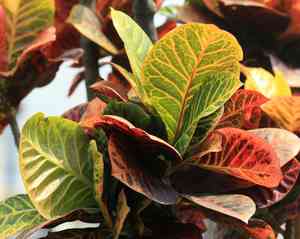
1
The best periods to repot your Garden croton are in Spring and Winter.
2
A soil blend that drains efficiently is vital for your Garden croton's well-being.
3
Select a new container that is 2-5 cm (1-2 inches) wider than its existing one.
The Importance of Repotting Your Garden Croton
Recognizing when your Garden croton requires a larger container
It's crucial to observe your Garden croton for indications that it's time for a new pot. Watch for symptoms such as roots emerging from drainage holes, stunted growth, or yellowing leaves. These clearly show your plant has exceeded its current pot and needs more room to flourish. Checking the root mass is a quick way to determine if your plant needs a new home.
Advantages of transferring to a new pot for plant vitality and development
Relocating your Garden croton not only provides more space for expansion but also refreshes its growing medium, supplying a new nutrient source. This action can boost the plant's overall health and lifespan, making it more resistant to pests and diseases. A Garden croton that has been properly repotted often displays enhanced leaf coloration and vigor.
Selecting the Appropriate Pot and Growing Medium
Choosing the perfect container size and material for your Garden croton
When it comes to containers, dimensions and composition are key. Pick a pot that is 2-5 cm (1-2 inches) wider in diameter than its predecessor. This size ensures roots have plenty of room to spread without retaining too much moisture. Terracotta pots are excellent for Garden crotons because they promote superior air circulation and water evaporation.
The ideal soil blend for your Garden croton to flourish
A well-draining substrate is vital for your Garden croton's well-being. A mixture of potting soil, peat moss, and perlite works wonders, offering the correct balance of moisture retention and aeration. Excessively dense soils can lead to water retention and root rot, so steer clear of heavy clay mediums entirely.
Steps for Transplanting Your Garden Croton
Preparing your equipment and workstation
Assembling all necessary tools before beginning the repotting process simplifies the task. You'll need a new pot, fresh soil mixture, gardening gloves, a trowel, and pruning shears. Ensure your area is tidy and arrange materials within easy reach for a smooth and efficient operation.
Gently extracting your Garden croton from its existing container
Begin by watering your Garden croton a day prior to repotting to facilitate the removal. Carefully tilt the pot on its side and tap it to loosen the soil. Gently slide the plant out, supporting the base to prevent damage to roots and stems.
Examining and pruning the root structure
Once removed from the old pot, inspect the roots. Look for any signs of root decay or damage. Trim any dead or excessively long roots using clean pruning shears. Healthy roots should appear white and firm, while dead roots will be brown and soft.
Positioning and planting your specimen in its new vessel
Place a layer of fresh soil at the base of the new pot. Center your Garden croton, then backfill around it with the remaining soil mix, gently pressing to remove air pockets. Ensure the plant is at the same soil depth as it was in its previous pot to prevent stem rot.
Post-repotting care guidelines for your Garden croton
After transplanting, thoroughly water your Garden croton to help settle the soil. Position the plant in a location with bright, indirect illumination and maintain consistent watering practices. Refrain from fertilizing for at least four weeks to allow the plant to adapt to its new surroundings.
Addressing Common Post-Repotting Issues
Managing indications of stress in your Garden croton after transplanting
It's normal for your Garden croton to show some signs of stress following repotting. Leaf shedding or wilting may occur but should resolve within one to two weeks. Ensure the plant is not overwatered and is situated in a stable environment with adequate light.
How to uphold ideal growing conditions
Maintaining optimal conditions is essential for your Garden croton's recovery. Ensure it receives bright, indirect light and keep the soil consistently damp but not waterlogged. Regularly check for pests and maintain a warm environment, ideally between 18-24°C (65-75°F), to encourage robust development.



