Boost Growth: How and When to Repot Your European fan palm Plant
1
Transplanting is most effective in spring to encourage robust growth and adaptation.
2
An appropriate soil blend that drains well is essential for a European fan palm to avoid root decay.
3
Selecting an adequately sized container can greatly influence the plant's general well-being and progression.
Why Replant Your European Fan Palm?
Understanding the growth pattern of European fan palm
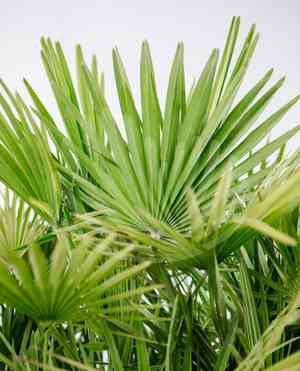
European fan palms are slow-growing plants that can eventually reach up to 5 meters (16 feet) in height in their natural habitat. They typically grow in a splaying fan shape, with new fronds sprouting from the center. Over time, the roots will need more space to support this gradual expansion. Replanting allows the roots to spread and take in nutrients more efficiently, promoting healthier and more robust growth.
Identifying signs that itâs time to re-pot
Common indicators that your European fan palm needs replanting include roots protruding from the drainage holes, noticeable slowdown in growth, and the plant becoming top-heavy or unstable in its current pot. If you notice these signs, itâs likely time to give your palm a new home.
The benefits of timely replanting for plant health
Regular replanting not only gives the roots more room to grow, but it also refreshes the soil, providing necessary nutrients that the plant may have depleted over time. This can lead to more vibrant fronds and a generally healthier plant. Replanting during the growth season, specifically spring, ensures that the plant has enough energy to acclimate to its new environment quickly.
Choosing the Right Pot and Soil
Selecting a suitable pot size and material
When replanting your European fan palm, choose a pot that is 2-5 centimeters (1-2 inches) larger in diameter than the current one. This provides adequate space for root growth without overwhelming the plant. Material-wise, terracotta pots are excellent because they allow the soil to dry out between waterings, reducing the risk of root rot. However, plastic pots are lighter and can retain moisture for longer periods, which is helpful if you live in a hotter climate.
The best soil mix for European fan palm
A well-draining soil mix is essential for a European fan palm. A blend of regular potting soil mixed with sand or perlite (in a 2:1 ratio) creates a suitable environment. This mix ensures good aeration and prevents water from stagnating around the roots, which can lead to root rot. Avoid using heavy soils that retain moisture for too long.
Step-by-Step Guide to Replanting Your European Fan Palm
Preparing your workspace and gathering tools
Before you begin, prepare a workspace where you can easily clean up soil spills. Gather all necessary tools, including a new pot, fresh soil mix, a trowel, and gloves. Having everything ready will make the process smoother and less stressful for both you and your plant.
Removing the palm carefully from its current pot
To remove the palm, gently turn the pot on its side and slide the plant out, tapping the bottom if necessary. Handle the plant by its base to avoid damaging the fronds. If the plant is stubborn, you can loosen the soil around the edges with a trowel.
Examining and trimming the roots if necessary
Once removed, examine the root ball for any signs of rot or cramped roots. Healthy roots should be white and firm. If you notice any black or mushy roots, trim them back using clean, sharp scissors. Also, untangle any circled roots to promote better growth in the new pot.
Placing the palm in the new pot and adding soil
Place a layer of fresh soil at the bottom of the new pot, then center your European fan palm over it. Fill in around the plant with more soil, gently pressing it down to remove air pockets. Ensure that the plant is at the same soil level as in the previous pot.
Tips for aftercare to ensure healthy growth
After replanting, water the plant thoroughly to help it settle into its new environment. Place the palm in a location with bright, indirect light, and avoid direct sunlight for the first few weeks. Keep an eye on soil moisture, watering only when the top 2.5-5 cm (1-2 inches) of soil is dry. This approach ensures that the roots do not stay overly wet, reducing the risk of root rot.
Common Mistakes to Avoid When Replanting
Overwatering immediately after replanting
Replanting can be stressful for a plant, and its water uptake may be limited initially. Overwatering at this stage can lead to root rot. Water sparingly and allow the plant to adapt to its new pot gradually.
Using incorrect soil type that doesnât drain well
Avoid using heavy soils that retain too much moisture. Poor drainage can suffocate the roots and lead to rot. A well-draining soil mix is essential for the health of your European fan palm.
Choosing a pot without adequate drainage
Ensure that the pot you choose has sufficient drainage holes at the bottom. Excess water needs an escape route to prevent soil from becoming overly saturated. If using a decorative pot, drill additional holes if necessary or use a plastic liner with adequate drainage.



