Boost Growth: How and When to Repot Your Moreton bay chestnut Plant
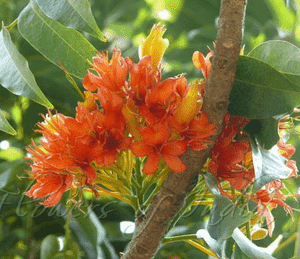
1
The best periods to repot Moreton Bay Chestnut are during the Spring and Winter seasons.
2
Employ a potting substrate that offers good drainage and is abundant in organic material.
3
Exercise care with the root system to prevent harm while transplanting.
Why Replant Your Moreton Bay Chestnut?
Recognizing the indicators that it's time for a new container
Replanting your Moreton Bay Chestnut is vital for its robust development and extended lifespan. Over time, the plant can outgrow its container, leading to root overcrowding and depleted soil quality. Watch for signs such as roots emerging from drainage holes, stunted development, frequent wilting, or the soil drying out rapidly. These are clear signals your plant requires more room.
The advantages of replanting: health and growth considerations
Replanting offers several benefits for your Moreton Bay Chestnut. Fresh potting medium improves nutrient availability, resulting in healthier, more vibrant foliage. It also allows the roots to expand, fostering vigorous growth. Furthermore, replanting can prevent and address issues like root rot and pest infestations by providing a cleaner growing environment.
Selecting the Appropriate Pot and Substrate for Moreton Bay Chestnut
Choosing the correct size and material for the new container
Selecting the right pot is crucial for a successful replanting operation. Opt for a container that is 2-5 cm (1-2 inches) larger in diameter than the current one. This will provide ample space for root expansion without overwhelming the plant. Materials like terracotta or ceramic are recommended as they offer good drainage and stability. Ensure the pot has sufficient drainage holes to prevent waterlogged soil, which can cause root rot.
Identifying the optimal soil composition
For Moreton Bay Chestnut, a well-draining soil mixture rich in organic matter is ideal. You can create a suitable blend by combining equal parts of potting soil, peat moss, and perlite. This mix provides the necessary nutrients and aeration needed for optimal growth. It's crucial to avoid heavy, clayey soils that retain too much water, as these can suffocate the roots.
Step-by-Step Guide to Replanting Moreton Bay Chestnut
Prepare your workspace and gather essential tools
Begin by preparing a clean, spacious area for the replanting process. Gather essential tools such as gloves, a trowel, pruning shears, fresh soil mix, and the new pot. Having everything organized will make the process smoother and more efficient.
Carefully removing the plant from its current container
To remove the Moreton Bay Chestnut from its existing pot, water the plant lightly to moisten the soil. Gently tilt the pot and tap the bottom to loosen the soil. Carefully slide the plant out, supporting the base to avoid stressing the roots. If the plant is stubbornly stuck, use a trowel to gently loosen the soil around the edges.
Inspecting the root system and trimming if necessary
Once the plant is out of its pot, inspect the root system. Healthy roots should be white or light yellow and spread evenly. If you notice any brown, mushy roots, trim them off with pruning shears to prevent the spread of rot. Also, untangle any circling roots to encourage outward growth.
Placing the plant in its new pot and adding soil
Position your Moreton Bay Chestnut in the center of its new pot. Begin filling in with the fresh soil mix around the root ball. Make sure the plant is at the same depth as it was in the previous pot. Firm the soil gently around the plant to eliminate air pockets but avoid packing it too tightly.
Final steps: Watering and post-replanting care tips
After replanting, water the plant thoroughly until the excess drains from the bottom. Place the plant in a location with indirect sunlight and stable temperatures. Monitor it closely for the first few weeks for signs of stress or imbalance. Regularly check the moisture level, and do not let the soil dry out completely.
Potential Difficulties When Replanting Moreton Bay Chestnut
Addressing root decay or other ailments during replanting
Root decay is a common issue that can arise during replanting, especially if the plant has been overwatered previously. To tackle this, remove all affected roots and use a fungicide if necessary. Replant in fresh, well-draining soil to prevent recurrence. Make sure to adjust your watering habits to prevent waterlogging in the future.
Managing delicate roots or branches during the procedure
The roots and branches of Moreton Bay Chestnut can be quite delicate, so handling them with care is paramount. Ensure that you support the plant well while removing it from its old pot and while placing it in the new one. If any branches or roots break, trim them back cleanly to promote healthy new growth.



