Boost Growth: How and When to Repot Your Scotch heather Plant
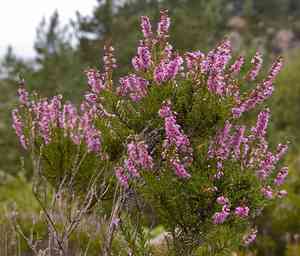
1
Transplanting Scotch heather in either spring or winter promotes its best development.
2
Employing an appropriate potting medium improves nutrient absorption for Scotch heather.
3
Re-potting aids in avoiding root constriction, fostering more robust plants.
Significance of Repotting Scotch Heather
Promotes Robust Growth and Flowering
Relocating Scotch heather to a new container is vital for its overall health and development. When you swap out old soil for fresh, nutrient-filled substrate, the plant receives a boost that encourages new growth and vibrant blooms. New soil typically offers superior structure and more nutrients compared to aged soil, which can become compacted and depleted over time.
Prevents Root Congestion
When plants remain in the same container for too long, their roots can become intertwined and restricted, a condition known as being root-bound. This hinders the plant's capacity to absorb nutrients and water, ultimately impeding its growth. Repotting Scotch heather allows its roots to expand freely, ensuring the plant stays healthy and vigorous.
Boosts Soil Nutrient Absorption
Aged soil can lose its fertility and structure, making it challenging for Scotch heather to take up essential nutrients. By repotting, you refresh the plant's growing medium with a new, nutrient-rich soil blend. This improved soil environment enables the plant to access nutrients more effectively, fostering better growth and overall well-being.
Optimal Times for Repotting Scotch Heather
Ideal Season for Transplanting
The most suitable periods to repot Scotch heather are during the spring and winter months. Spring repotting allows the plant to benefit from the upcoming growing season, while winter repotting gives it a head start for the next bloom cycle. Both seasons offer a time of dormancy or growth, perfect for minimizing plant stress.
Indicators for a New Container
Several signs suggest your Scotch heather requires repotting. These include roots emerging from drainage holes, the soil drying out more quickly than usual, or the plant appearing top-heavy and unstable. Noticing these signs early helps ensure timely repotting, allowing your plant to flourish.
Choosing the Right Pot and Soil for Scotch Heather
Selecting the Appropriate Pot Size and Material
Choosing the correct pot size and material is crucial for successful repotting. A container approximately 2.5 to 5 cm (1 to 2 inches) larger in diameter than the current one is ideal. Materials like terracotta or ceramic are excellent choices as they provide good air circulation and drainage. Ensure the pot has drainage holes to prevent waterlogging.
Best Soil Mixture for Scotch Heather
For Scotch heather, a well-draining, acidic soil mix is optimal. Utilizing a soil blend formulated for ericaceous (acid-loving) plants helps maintain the correct pH and nutrient levels. You can create your own mix using equal parts peat moss, pine bark, and perlite, or purchase a pre-mixed ericaceous potting soil from garden centers.
Step-by-Step Guide to Repotting Scotch Heather
Preparing Your Plant and Work Area
Before you begin, gather all necessary tools and supplies, including gloves, a new pot, and fresh soil mix. Water your Scotch heather the day before repotting to simplify the process. Set up a clean workspace, ideally outdoors or in a well-ventilated area, to manage any mess.
Detailed Repotting Procedure
Carefully remove the Scotch heather from its current pot by inverting it, gently tapping the pot's base to loosen the soil, and sliding the plant out. 2. Inspect the roots: trim any excessively long or damaged roots with clean shears. 3. Fill the new pot with a layer of fresh soil mix. 4. Position the plant in the center and fill around it with more soil mix, ensuring the plant is at the same soil level as before. 5. Gently firm the soil and water thoroughly to help settle the soil and eliminate air pockets.
Post-Repotting Care
After repotting your Scotch heather, place it in a shaded location for a few days to allow it to acclimate to its new surroundings and recover from transplant shock. Water the plant thoroughly but avoid overwatering. Gradually return it to its usual spot with appropriate light conditions. Monitor the plant for any signs of stress, and refrain from fertilizing for at least a month to prevent damaging the freshly disturbed roots.



