Boost Growth: How and When to Repot Your Angel's trumpet Plant
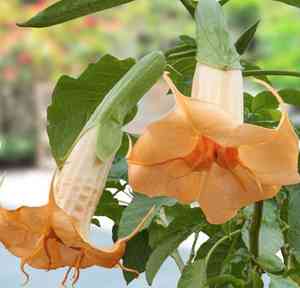
1
The best times to transplant Angel's trumpet are during spring and winter.
2
Angel's trumpet thrives in soil that drains well and has a pH from slightly acidic to neutral.
3
Replant every one to two years to support robust growth and abundant blooms.
Why Repot Your Angel's trumpet?
Understanding the benefits of refreshing soil and expanding root space
Repotting your Angel's trumpet means transferring it to a new container with fresh growing medium. This action can revitalize the plant by supplying nutrient-rich soil and ample room for root expansion. Over time, the potting mix can become compressed and depleted of vital nutrients. By repotting, you guarantee your plant has access to the nourishment it requires for robust growth and beautiful blooms. Furthermore, a larger pot provides roots more space to develop, fostering overall plant vitality.
Indicators that it's time to repot
Several clues suggest your Angel's trumpet needs a new pot. If you observe roots emerging from the drainage holes, it's a clear sign the plant has outgrown its current container. Other indicators include stunted development, yellowing foliage, and the plant becoming top-heavy and prone to toppling. If the soil dries out too quickly after watering, it might mean the roots are too congested. Heeding these signals will help you determine the optimal time to provide your plant with more room.
Choosing the Right Pot and Soil
Key features of an ideal pot
Selecting the appropriate container for your Angel's trumpet is vital. Seek a pot that is 2-5 centimeters (1-2 inches) wider in diameter than the existing one. The pot should possess sufficient drainage holes to prevent water accumulation at the bottom, which can lead to root rot. Materials such as terracotta or ceramic are excellent choices as they permit good air circulation around the roots. Ensure the pot is sturdy enough to support the plant as it matures.
Selecting the best soil mix for Angel's trumpet
Angel's trumpet thrives in well-draining soil comprising compost, peat moss, and perlite. This blend ensures proper drainage while retaining adequate moisture for the roots. The soil should have a slightly acidic to neutral pH, ideally between 6.0 and 7.0. Avoid using dense garden soil, as it can become compacted and impede root development. A high-quality potting mix specifically formulated for flowering plants is an excellent option.
Importance of proper drainage
Effective drainage is crucial for preventing waterlogging, which can cause root rot and other fungal diseases. When repotting your Angel's trumpet, ensure the new pot has ample drainage holes at its base. You can also place a layer of small stones or gravel at the bottom of the pot to further enhance drainage. This practice allows excess water to escape, maintaining healthy roots and promoting optimal growth.
Step-by-Step Guide to Repotting Angel's trumpet
Preparing your workspace and gathering tools
Before you begin repotting, assemble all the necessary implements and supplies. You'll require a new pot, fresh potting mix, gloves, a trowel, and pruning shears. Choose a well-ventilated area for your work, ideally outdoors or in a space where any spilled soil can be easily cleaned. Lay down newspapers or a tarp to catch any debris, and have a water source nearby for convenient watering after repotting.
Removing the plant from its old pot carefully
Gently extract the Angel's trumpet from its current container by tilting the pot on its side and tapping the base. If the plant is stuck, you can use a trowel to loosen the soil around the edges. Be careful not to harm the roots during this process. Once the plant is free, lightly shake off any old soil clinging to the roots, taking care to expose them without causing damage.
Examining and trimming the roots if necessary
Inspect the roots for any indications of damage or disease. Healthy roots should appear white or light brown and feel firm. Trim away any black, mushy, or excessively long roots using clean pruning shears. This will help stimulate new root growth and prevent potential problems from spreading to the rest of the plant. Trimming also encourages the plant to establish itself more quickly in its new pot.
Placing the plant in the new pot
Fill the new pot with a layer of fresh soil mix at the bottom. Position the Angel's trumpet centrally in the pot, ensuring the top of the root ball is approximately 2-3 centimeters (1 inch) below the rim. Gently fill in around the root ball with more soil, pressing lightly to eliminate air pockets. Avoid compacting the soil too tightly, as this can restrict root growth and reduce aeration.
Finishing touches for a successful transplant
After the plant is securely in its new pot, water it thoroughly to help settle the soil around the roots. Allow excess water to drain away through the holes at the bottom. Add a layer of mulch on top of the soil to retain moisture and suppress weed growth. Place the newly repotted plant in a shaded area for a few days to help it adjust before moving it to its regular sunny spot.
Aftercare for Your Repotted Angel's trumpet
Watering protocols after repotting
In the initial weeks following repotting, ensure the soil remains consistently moist but not waterlogged. Water the Angel's trumpet when the top 2-3 centimeters (1 inch) of soil feels dry to the touch. Gradually decrease the frequency of watering as the plant adapts to its new environment. Monitor the moisture levels regularly to prevent overwatering, which can be detrimental to the plant's health.
The right location and lighting conditions post-repot
Position your repotted Angel's trumpet in a spot that receives ample bright, indirect sunlight. Avoid exposing it to direct afternoon sun, which can scorch the leaves. An east or west-facing window is ideal. If you relocate the plant outdoors during the growing season, ensure it is protected from strong winds and sudden temperature fluctuations. Gradually acclimate the plant to its new surroundings to reduce stress.
Monitoring growth and health
Keep a close watch on your Angel's trumpet in the weeks after repotting. Look for signs of new growth and overall plant vigor. Regularly check for pests and diseases, and address any issues promptly. Fertilize the plant once new growth appears, using a balanced, water-soluble fertilizer. This will provide the necessary nutrients to support healthy development and flowering. Repotting is also an excellent opportunity to re-evaluate the plant's care routine and make any necessary adjustments.



