Boost Growth: How and When to Repot Your Wax begonia Plant
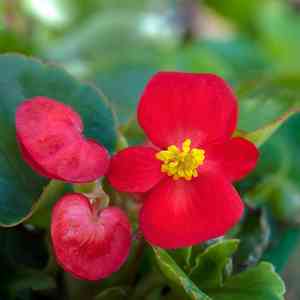
1
The best periods for repotting Wax begonia are Spring and Winter.
2
Select a container that is 2-3 inches (5-8 centimeters) bigger than its current one.
3
Confirm the potting mix drains effectively to prevent root decay.
Why Replant Your Wax begonia?
Understanding the growth pattern and root structure of Wax begonia
The Wax begonia is a blooming plant known for its resilience and vivid hues. These plants typically possess shallow yet expansive root systems. Over time, their roots can become congested or even protrude through the drainage openings, indicating a need for more room. The plant's life cycle includes periods of rapid foliage and bloom production, which necessitate ample space for root expansion. Grasping this cycle is vital for recognizing when your Wax begonia has outgrown its current container.
Indicators that your Wax begonia requires a larger container
Several signs suggest your Wax begonia needs to be repotted. Firstly, if you observe roots emerging from the drainage holes, it's a clear signal that your plant needs more space. Additionally, if the potting medium dries out quickly after watering, or the plant itself appears stunted and less vibrant, it's time to consider a new pot. Frequent drooping, despite a regular watering regimen, can also imply that the roots have consumed all available soil volume.
Selecting the Appropriate Container and Substrate for Your Wax begonia
Choosing the optimal pot size and material
When picking a new pot for your Wax begonia, select one that is 2-3 inches (5-8 centimeters) wider in diameter than the existing pot. This provides sufficient room for root development without overwhelming the plant. Pot material is also crucialâterra cotta pots are excellent for promoting good air circulation and drainage, while plastic pots can retain moisture longer, making them suitable for environments that might dry out too rapidly.
Best soil types for encouraging robust growth
The quality of the growing medium is fundamental to the health of your Wax begonia. Aim for a well-draining soil blend that is rich in organic matter. A mixture of equal parts peat moss, perlite, and potting soil works effectively. This combination ensures that water drains efficiently, reducing the risk of root rot while supplying essential nutrients.
Detailed Guide to Replanting Your Wax begonia
Preparation: What you'll need before commencing
Before you start the repotting process, gather all necessary supplies. You will require a new pot, fresh potting mix, a small hand trowel, and a watering can. Having everything prepared will make the procedure smoother and less stressful for both you and your Wax begonia.
Step 1: Gently extract your Wax begonia from its current container
Carefully tilt the pot onto its side and gently tap the edges to loosen the soil. Hold the base of the plant and carefully slide it out of the pot. If it resists, use a trowel to carefully free the roots, taking care not to harm them.
Step 2: Examining and pruning the roots if necessary
Once the plant is removed, inspect the roots. Healthy roots should be white or light tan. Trim any dead, dark, or soft roots using sterilized shears. This helps prevent disease and encourages healthier new root development.
Step 3: Placing your plant in its new pot and filling with soil
Place a layer of fresh potting mix at the bottom of the new pot. Position your Wax begonia in the center and gradually fill with soil, gently firming it around the roots. Ensure the soil level is the same as in the old pot to avoid burying the stem.
Step 4: Watering and initial care post-replanting
After settling your Wax begonia in its new pot, water it thoroughly. This helps to settle the soil around the roots and minimizes transplant shock. Place the pot in a location with indirect sunlight and keep the soil consistently moist but not waterlogged for the first few weeks.
Post-Care: Ensuring a Smooth Adjustment for Your Wax begonia
Adjustments to watering schedule and light exposure
After repotting, your Wax begonia might need a period of adjustment. Water the plant more frequently but with less volume to help roots establish in the new soil. Gradually reintroduce the plant to its usual light conditions, ensuring it receives bright, indirect sunlight.
Monitoring for indications of stress or recovery
Keep a close watch on your Wax begonia for signs of stress such as wilting, yellowing foliage, or slow growth. These may suggest the plant is struggling to adapt. Conversely, new leaf growth is a strong indicator that your plant is thriving. Be patient and maintain consistent care, and your Wax begonia will flourish in its new home.



