Boost Growth: How and When to Repot Your Ponytail palm Plant
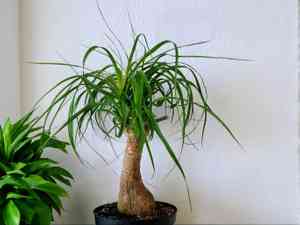
1
For best health, repot ponytail palms every two to three years.
2
Spring and winter are the most suitable seasons for repotting Ponytail palms.
3
Confirm your new container includes drainage openings to avoid excessive moisture retention.
Why is Transplanting Ponytail Palm Crucial?
Understanding root vitality and spatial requirements.
As your Ponytail palm matures, its root system will eventually exceed the boundaries of its current container. A constricted root mass can hinder development and diminish the plant's overall vigor. By transplanting, you provide the roots with the necessary room to expand and absorb more nutrients, fostering a healthier and more robust plant.
Advantages of revitalizing substrate and nutrients.
Over time, the essential elements in the growing medium can become depleted, and the soil itself can compact, reducing its efficacy in supporting plant growth. Transplanting with fresh substrate supplies your Ponytail palms with a rich source of nutrients and improved aeration, encouraging superior growth and vitality.
Recognizing indicators that it's time for a new pot.
If you observe your Ponytail palms becoming top-heavy, roots emerging from the drainage apertures, or a significant deceleration in the plant's growth, these are clear signals that it's time to repot. Other signs include yellowing foliage and diminished water uptake, indicating the current container is too small or the soil has deteriorated.
Selecting the Appropriate Container and Substrate for Ponytail Palm
Choosing a pot size and material.
When selecting a new container for your Ponytail palm, opt for one that is only a few inches (centimeters) wider in diameter than the existing one. This ensures the roots have ample space to grow without being overwhelmed by an excessive amount of soil. Additionally, confirm the pot has sufficient drainage holes to prevent waterlogging, which can lead to root decay.
Recommended soil blends for optimal development.
A well-draining soil mixture is vital for Ponytail palms. A cactus or succulent potting blend is perfect as it offers excellent drainage and mimics the plant's natural habitat. You can also formulate your own mix by combining standard potting soil with sand or perlite to enhance drainage. This will help maintain appropriate moisture levels and prevent root rot.
Step-by-Step Guide to Repotting Ponytail Palm
Preparing your workspace and supplies.
Before you start, gather all the required items: a new container, fresh soil mix, gardening gloves, and a small hand trowel. Select a work area that is well-ventilated and easy to clean, as repotting can be untidy. Lay down some old newspapers or a plastic sheet to catch any spilled soil.
Gently extracting your plant from its current container.
To remove the Ponytail palm from its present pot, carefully tilt the pot onto its side and attempt to slide the plant out. If it seems stuck, tap the sides of the pot or cautiously loosen the soil around the edges with your hands or a trowel. Avoid pulling on the plant itself to prevent damage to the roots.
Inspecting and trimming the roots if necessary.
Once the plant is out of the pot, examine the roots. Healthy roots should appear white or light tan and feel firm. Trim away any brown, soft, or excessively long roots using clean, sharp scissors or pruning shears. This helps to eliminate any dead or diseased roots and promotes new growth.
Positioning the plant in the new container.
Place a layer of fresh soil mix at the bottom of the new pot. Position your Ponytail palm in the center of the pot, ensuring that the base of the stem is at the same level as it was in the previous pot. Adjust the amount of soil at the bottom if needed to achieve the correct height.
Adding new soil and providing adequate moisture.
Fill in around the plant with fresh soil, pressing it gently but firmly to eliminate air pockets. Water the plant thoroughly, allowing any excess water to drain out completely. This helps to settle the soil around the roots. Be careful not to overwater, as the plant prefers a drier environment.
Aftercare for Your Newly Potted Ponytail Palm
Appropriate watering regimen post-transplanting.
After repotting, allow the Ponytail palm to acclimate to its new surroundings by limiting watering for the initial week or two. Resume a regular watering schedule after this period, ensuring the soil completely dries out between waterings. Overwatering is a common issue, so it's better to slightly underwater than to keep the soil too moist.
Monitoring illumination and environmental factors.
Ponytail palms flourish in bright, indirect light but can endure lower light conditions. Avoid placing them in direct sunlight, which can scorch the leaves. Maintaining a consistent temperature between 65-75°F (18-24°C) is ideal for their development. Keep an eye on humidity levels, especially in winter, when indoor air can be dry. Using a room humidifier or placing a tray of water nearby can help maintain sufficient humidity.



