Boost Growth: How and When to Repot Your Guinea-fowl aloe Plant
1
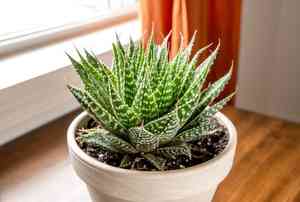
Transplanting Guinea-fowl aloe prevents roots from becoming constricted, which can hinder its development.
2
The best times to move your Guinea-fowl aloe to a new pot are during Spring and Winter.
3
Employing a soil blend that drains effectively is vital for your Guinea-fowl aloe's well-being.
Why Replant Your Guinea-fowl aloe?
Identifying Indications of a Root-Bound Specimen
Understanding when your Guinea-fowl aloe is root-bound is essential. You might observe roots coiling within the container or emerging from drainage openings. A root-bound plant often exhibits slower development and may appear stressed. When roots lack room to expand, the plant's nutrient absorption can be hindered.
Advantages of Replanting for Plant Vitality
Replanting your Guinea-fowl aloe offers increased room for growth, enhanced nutrient uptake, and improved air circulation to the roots. It can also aid in maintaining soil quality by refreshing the potting medium, which may become dense or depleted over time. This process ensures your Guinea-fowl aloe sustains robust health and continues to flourish.
Selecting the Optimal Time for Replanting
Best Period for Replanting Guinea-fowl aloe
The ideal time to replant your Guinea-fowl aloe is during Spring or Winter. These seasons provide prime growing conditions, allowing the plant time to recover from any stress caused by replanting. Avoid replanting during the harsh Summer or Fall as these periods can intensify the plant's stress.
Signs It's Time for a New Pot
Beyond being root-bound, other indicators that your Guinea-fowl aloe requires replanting include discolored foliage, overly saturated soil, or sluggish growth. When the plant seems top-heavy and constantly needs water, it typically suggests a larger container is necessary.
Choosing the Appropriate Container and Substrate
Material and Dimensions of the New Container
Selecting the correct container is crucial. A pot that is 2 to 5 centimeters (1 to 2 inches) wider in diameter than the current one is perfect. Clay or terracotta pots are excellent choices as they are porous and help prevent overwatering. Ensure the pot has drainage holes to prevent waterlogging.
Choosing the Right Soil Blend for Guinea-fowl aloe
Guinea-fowl aloe thrives in well-draining soil mixtures. A cactus or succulent blend is ideal, as it provides sufficient drainage. You can enhance the soil's drainage by incorporating sand or perlite. Avoid using standard potting soil as it retains too much moisture, which can be detrimental to the aloe's roots.
Step-by-Step Guide to Replanting Guinea-fowl aloe
Preparing the Plant and Work Area
Begin by gathering your supplies: new container, soil mix, and gardening implements. Water the aloe lightly the day before replanting. Choose a clean, spacious area to work in and cover your workspace with newspapers or a plastic sheet to manage soil spills.
Removing the Plant from its Previous Container
Gently tap the sides of the pot to loosen the soil. Carefully lift the plant, holding it at the base. If the plant resists, you might need to run a knife around the edge of the pot. Once out, shake off excess soil from the roots, being careful not to harm them.
Positioning and Planting in the New Container
Fill the new pot about one-third full with your prepared soil mix. Position the Guinea-fowl aloe in the center and hold it upright as you fill in around the roots with additional soil. Press the soil lightly to eliminate air pockets, but don't compact it too firmly.
Post-Replanting Care Recommendations
After replanting, wait a few days before watering. This allows any roots that might have been damaged to heal. Place the replanted specimen in a shaded area for a week before returning it to its usual spot. Monitor the plant closely and resume regular watering once it's re-established.
Addressing Common Issues After Replanting
Managing Irrigation Concerns
Overwatering can be a frequent issue after replanting. Ensure the soil is dry between waterings. Reduce irrigation frequency compared to what was used with the smaller pot to prevent root rot.
Identifying and Correcting Plant Stress Indicators
Post-replanting stress might manifest as wilting, yellowing, or drooping leaves. Ensure the plant isn't exposed to direct sunlight immediately after replanting. If stress symptoms persist, verify if soil drainage is adequate and check for pests that might further stress the plant.



