Boost Growth: How and When to Repot Your Zebra plant Plant
1
Zebra plants flourish most when transplanted in the initial part of spring or the latter part of winter.
2
Confirm containers possess adequate drainage to avert root decay.
3
Transplanting aids in revitalizing the plant and enhancing its development.
Reasons to Replant Your Zebra Plant
Understanding the Zebra plant's growth pattern
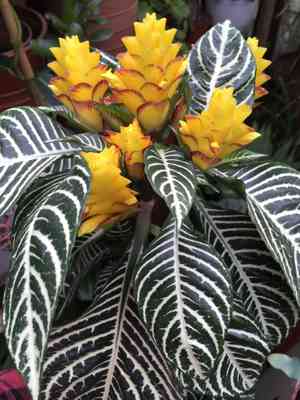
The Zebra plant, recognized for its vibrant green leaves and prominent white veins, flourishes quickly under suitable conditions. To preserve its lively appearance, it's vital to grasp its distinct growth cycle. During its active growth phases, especially in warmer periods, the plant's root system expands rapidly, requiring more room. Recognizing this cycle aids in planning timely replanting to prevent root constriction.
Indicators that suggest it's time for replanting
Several clear signs indicate your Zebra plant requires replanting. Look for roots emerging from the drainage holes, suggesting the plant is root-bound. Other clues include the soil drying out unusually fast or the plant becoming top-heavy and unstable. If you observe a decline in growth or leaf color, these might also signal the plant needs fresh growing medium and more space to spread.
Advantages of routine replanting
Regular replanting offers numerous benefits. It revitalizes the soil, supplying the Zebra plant with new nutrients essential for continuous health and development. Replanting also provides an opportunity to inspect roots for any disease or decay and to trim them if needed. This practice is crucial for preventing root-bound conditions and ensuring the plant has ample room to grow. Ultimately, consistent replanting fosters a strong, flourishing Zebra plant.
When to Replant Your Zebra Plant
Optimal time of year for replanting
The best times for replanting your Zebra plant are in early spring or late winter. During these periods, the plant is not actively growing, which minimizes stress and allows for a smoother transition to a new container. Early spring replanting prepares the plant for a productive growth season, while late winter replanting ensures it's refreshed just before its active growth phase. Choose a bright but indirect light location for the newly replanted specimen to help it adjust.
Identifying the correct plant growth stage
It's important to determine the Zebra plant's growth stage when considering replanting. Typically, replanting is most beneficial before the active growth phase begins. If the plant is blooming, it's best to wait until the flowers have faded to avoid causing undue stress. Observing the plant's overall health and growth rate is critical; a robust, leafy plant that has outgrown its current pot indicates the perfect moment for replanting.
Selecting the Appropriate Pot and Soil
Key features to look for in a new pot
When choosing a new pot for your Zebra plant, size and drainage are crucial considerations. Select a pot that is 2-5 centimeters (1-2 inches) larger in diameter than the current one. This size increase provides sufficient room for growth without overwhelming the plant. Additionally, the pot must have adequate drainage holes at the bottom to prevent waterlogging and root rot. Materials like terracotta can be advantageous as they are porous and allow for better air circulation.
Choosing the ideal soil mix for Zebra plant
The perfect soil mix for a Zebra plant allows for good drainage while retaining moisture, such as a peat-based blend combined with perlite or sand. This combination ensures the roots receive oxygen and don't sit in stagnant water, reducing the risk of root rot. Using a high-quality, well-draining soil mix supports the vigorous growth of your Zebra plant.
Step-by-Step Guide to Replanting Your Zebra Plant
Preparing your work area and supplies
Before you begin replanting, gather all necessary items, including the new pot, fresh soil mix, a small shovel, and gloves. Choose a workspace that is well-lit and easy to clean, as replanting can be messy. Lay down newspapers or a tarp to catch soil and prepare a watering can with room-temperature water to hydrate the plant after replanting. Having everything accessible will ensure a smooth, efficient replanting process.
Carefully removing the plant and old soil
Start by gently loosening the soil around the Zebra plant. Turn the pot on its side and tap the base to release the plant. Carefully lift the plant out without pulling on the stems. Shake off excess old soil from the roots, and if the roots are tightly coiled, gently separate them. This step is vital to prevent root damage and ensure the plant adjusts well to its new pot.
Repositioning and adding fresh soil
Place a layer of soil mix at the bottom of the new pot. Position the Zebra plant in the center and begin filling the sides with the soil mix, holding the plant steady. Ensure that the plant is at the same depth as it was in the previous pot. Gradually add more soil, pressing lightly to remove air pockets. Be careful not to overfill, leaving at least 2 centimeters (about 1 inch) from the top of the pot.
Ensuring proper plant care after replanting
After replanting, water the Zebra plant thoroughly, allowing excess water to drain out. Place the plant in a location with bright, indirect light and maintain a consistent watering schedule, avoiding overwatering. It's essential to monitor the plant closely for the first few weeks to ensure it adapts well to the new pot. If leaves wilt or yellow, it may be due to shock, but the plant should recover with appropriate care.
Caring for Your Zebra Plant Post-Replanting
Watering instructions for the initial weeks
In the first few weeks after replanting, it's crucial to maintain a balanced watering routine. Water the Zebra plant thoroughly but allow the top 2-3 centimeters (1 inch) of soil to dry out between watering sessions. Overwatering can lead to root rot, so ensure that the soil remains moist but not waterlogged. Using a water meter if possible can help gauge the soil moisture levels more accurately.
Monitoring light exposure and temperature
Post-replanting, place your Zebra plant in a spot with bright, indirect sunlight. Avoid direct sun as it can scorch the leaves. Optimal temperature for growth is between 18 to 24 degrees Celsius (65-75 degrees Fahrenheit). Ensure the plant is away from drafts and sudden temperature changes. By maintaining consistent environmental conditions, you help the plant recover from the replanting process more effectively.
When to begin fertilizing after replanting
Refrain from fertilizing your Zebra plant for at least 4-6 weeks after replanting to avoid stressing the plant. Once roots have settled, begin using a balanced, water-soluble fertilizer diluted to half strength every 4-6 weeks during the growing season. This will provide the necessary nutrients for lush growth without overwhelming the newly established roots.



