Boost Growth: How and When to Repot Your Pigtail anthurium Plant
1
The best period to transplant Pigtail anthurium is during the Spring or Fall.
2
Select a container that measures 2-4 cm (1-2 inches) wider across than its present pot.
3
An excellent draining substrate, including coconut fiber and orchid bark, is perfect.
Why Replant Your Pigtail Anthurium?
Understanding the Pigtail anthurium's life cycle
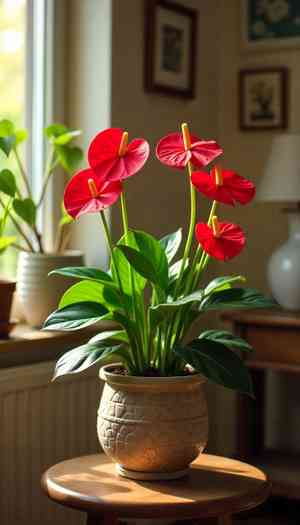
The Pigtail anthurium is a tropical plant recognized for its vivid, curled spathes and rich green foliage. Like all living organisms, it progresses through various developmental phases, each with specific demands. Over time, as the plant matures, it will require more room for its expanding root system to ensure healthy progression.
Recognizing indicators that it's time for a new pot
Knowing when to replant is vital for any plant's health. If you observe roots emerging from drainage openings or becoming tightly coiled within the current container, it's a clear sign your Pigtail anthurium needs more space. Additionally, if the potting mix dries out very quickly after irrigation or the plant appears stressed despite adequate care, it might be time for an upgrade.
Advantages of replanting for plant vitality
Replanting provides fresh substrate, which replenishes vital nutrients, enhances aeration, and ensures superior water drainage. This process can rejuvenate your Pigtail anthurium, fostering new development, preventing root-bound issues, and improving its overall appearance and strength.
Selecting the Appropriate Container and Substrate
Choosing the perfect pot size and material for Pigtail anthurium
A container that is too small restricts root development, while an overly large pot can lead to waterlogging and root decay. Ideally, select a pot that is 2-4 cm (1-2 inches) wider in diameter than the current one. Opt for a container with multiple drainage holes to prevent water from accumulating at the bottom.
The optimal potting mix for encouraging growth
For the Pigtail anthurium, a well-draining potting mix is crucial to prevent root rot and promote vigorous growth. A suitable blend includes components like coconut coir, orchid bark, and perlite, which offer excellent drainage and aeration while retaining necessary moisture.
Step-by-Step Guide to Replanting Pigtail Anthurium
Preparing your work area and gathering supplies
Before you begin, collecting all necessary items will streamline the process. You'll need a new container, fresh potting mix, gloves, a small shovel, pruning shears, and a watering can. Spread out some newspaper or a plastic sheet to keep your workspace tidy.
Safely extracting the plant from its current container
Gently turn the pot on its side and carefully tap the base to loosen the soil. Hold the plant's base and slowly pull it out, being careful not to harm the roots. If it's resistant, use the small shovel to help loosen it around the edges.
Inspecting and trimming the root structure
Once the plant is out, examine the root ball. Trim any dead or decaying roots using pruning shears, but ensure healthy roots remain intact. This trimming encourages new root development and helps the plant absorb nutrients more effectively.
Placing Pigtail anthurium in the new pot with fresh substrate
Position the Pigtail anthurium in the center of the new container. Fill the pot halfway with the fresh potting mix. Place the plant in, ensuring it stands upright, and fill in around the sides with more substrate. Gently press the soil down to eliminate any air pockets.
Proper irrigation after replanting
After replanting, give the plant a thorough watering to help it settle. Ensure water flows out from the drainage holes, indicating that the soil is uniformly moist. Avoid excessive watering at this stage to prevent root decay.
Post-Replanting Care Advice
Monitoring and adjusting irrigation requirements
After replanting, your Pigtail anthurium's watering needs may change. The new substrate will likely retain moisture differently, so observe the plant closely. Water when the top 2-3 cm (1 inch) of soil feels dry to the touch, but avoid letting the plant sit in water.
Placement and light conditions after replanting
Place your newly replanted Pigtail anthurium in a location with bright, indirect illumination. Direct sunlight can scorch the leaves, while insufficient light can impede growth. A well-lit room with some morning sun or filtered light is ideal.
When to fertilize your newly replanted Pigtail anthurium
Allow your Pigtail anthurium about 4-6 weeks to adapt to its new container before resuming fertilization. After this period, apply a balanced liquid fertilizer monthly during the growing season to support robust development and vibrant blooms.



