Boost Growth: How and When to Repot Your Chinese taro Plant
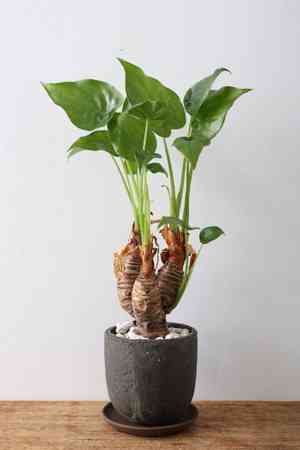
1
The best times to transplant Chinese taro are during the Spring and Fall.
2
A soil blend that drains well and contains organic material significantly improves the plant's vitality.
3
Verify the new container includes drainage openings to avoid excessive moisture retention.
Why Replant Your Chinese Taro?
Indicators Your Chinese Taro Requires a New Container
Replanting your Chinese taro is vital for its well-being and development. A clear sign your plant needs a new home is when roots emerge from the drainage openings. If you observe the plant becoming root-bound, it signifies the roots have filled the current pot and require additional room to expand. Furthermore, if the plant's growth has significantly slowed, or you notice yellowing foliage, these could indicate a need for replanting.
Advantages of Replanting for Plant Vitality
Replanting offers crucial benefits that enhance your Chinese taro's health. By relocating the plant to a larger container, you guarantee ample space for root expansion, which supports its overall development. Fresh substrate also replenishes essential nutrients, leading to more vigorous leaves and vibrant coloration. Additionally, proper replanting can help resolve issues like root decay and nutrient deficiencies by improving drainage and soil aeration.
Selecting the Appropriate Pot and Substrate for Chinese Taro
Choosing the Optimal Pot Dimensions and Material
When picking a new pot for your Chinese taro, select one that is 2-5 cm (1-2 inches) wider in diameter than the existing pot. This provides the roots sufficient room to grow without overwhelming them. Moreover, opting for a pot made from breathable materials like terracotta can help regulate moisture levels more effectively. Ensure the pot has adequate drainage holes to prevent water accumulation and root rot.
Ideal Soil Blend for Chinese Taro
A premium soil mixture is essential for a thriving Chinese taro. The substrate should drain well to prevent water stagnation but also retain enough moisture to sustain the plant. A combination of potting soil with perlite, peat moss, and compost can offer a balance of drainage and nutrient retention. This ensures roots receive ample oxygen and reduces the risk of ailments.
Detailed Instructions for Replanting Chinese Taro
Preparing Your Plant for Relocation
Before commencing the replanting process, lightly water your Chinese taro a day prior. This softens the soil, making it easier to extract the plant from its current pot. Ensure all necessary tools are prepared, including the new pot, soil mix, a trowel, and gloves. A gentle approach is crucial to prevent root damage during the transfer.
Steps to Safely Move Chinese Taro
Start by gently tilting the plant and its pot to one side. Carefully slide the plant out, supporting the base to avoid root harm. Once removed, thoroughly inspect the roots. Trim away any dead or excessively long roots to encourage healthy development. Place a layer of soil mix at the bottom of the new pot, position the plant centrally, and fill around it with more soil. Gently press down to secure the plant and water lightly.
Post-Replanting Care
After replanting, position your Chinese taro in a spot with bright, indirect light to help it adapt to its new surroundings. Water the plant only when the top 2.5-5 cm (1-2 inches) of soil feels dry to prevent overwatering. Closely monitor the plant for the initial few weeks for any indications of stress or waterlogging. Providing the correct balance of light and moisture is vital for a smooth recovery.
Common Errors to Avoid During Replanting
Excessive Watering After Replanting
One of the most frequent errors when replanting Chinese taro is overwatering. Newly repotted plants are vulnerable to root decay if they sit in waterlogged soil. Always check the soil moisture level before irrigating and ensure the pot has proper drainage.
Utilizing an Unsuitable Soil Composition
Employing the incorrect soil mix can jeopardize your Chinese taro's health. Avoid dense, clay-based soils that retain too much moisture and restrict air circulation to the roots. Instead, use a well-draining, nutrient-rich soil mix as previously outlined.
Disregarding Root Health During Replanting
Failing to examine and prune the roots during replanting can lead to poor plant vitality. Always check for damaged or diseased roots and address them before moving the plant to its new pot. Healthy roots are the foundation for robust plant growth.



