Boost Growth: How and When to Repot Your Chinese evergreen Plant
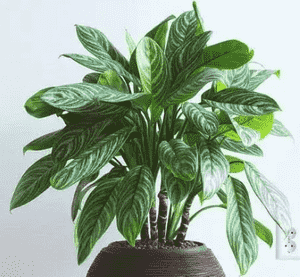
1
The best times to repot Chinese evergreen are during spring and fall.
2
Select a container that is 1-2 inches (2.5-5 cm) wider than its current one.
3
Chinese evergreen thrives in a well-draining, peat-rich potting medium.
Why Replant Your Chinese Evergreen?
Understand the growth phases of Chinese evergreen and when transplanting becomes necessary.
The Chinese evergreen is an attractive, resilient houseplant that develops slowly but consistently. Eventually, it can become root-bound, meaning its root system has outgrown its current container and lacks further space to expand. At this point, replanting is crucial to ensure continued healthy development. Generally, younger plants require replanting every one to two years, while mature plants might only need it every three to four years. The optimal period for replanting Chinese evergreen is during its active growth seasons in spring and autumn, when the plant is more robust to changes.
Identify indicators that suggest your Chinese evergreen requires a new container.
There are several clear signs that your Chinese evergreen is prepared for a different pot. Look for roots emerging from the drainage holes, soil that dries out rapidly after irrigation, or a plant that appears top-heavy and is leaning over. Another obvious sign is stunted development or yellowing foliage, which may indicate the plant's root system is under stress due to limited room. If you observe any of these indicators, it's time to consider giving your plant a fresh start in a new container.
Selecting the Appropriate Pot and Substrate for Replanting
Choose the perfect pot size and material for optimal development of Chinese evergreen.
When choosing a new container for your Chinese evergreen, selecting one that is 1-2 inches (2.5-5 cm) larger in diameter than the current pot is recommended. This size provides the roots ample space to expand without overwhelming the plant. Plastic, clay, or ceramic pots with adequate drainage openings are excellent choices. Ensure the pot is sturdy enough to support the plant's dense foliage, and avoid those without proper drainage to prevent root decay.
Discuss the best soil mixtures that offer the necessary nutrients and drainage.
The ideal soil blend for replanting a Chinese evergreen is one that drains well yet retains some moisture. A peat-based mixture, combined with perlite or sand, creates an optimal environment for the plant. You can formulate your own mix by combining equal parts of potting soil, peat moss, and perlite. This combination ensures good air circulation and prevents water from accumulating around the roots, which could lead to rot. Incorporating a small amount of compost can also provide additional nutrients as the plant acclimates to its new pot.
Step-by-Step Guide to Replanting Chinese Evergreen
Prepare your work area and gather all essential tools.
Before you begin, set up a workspace with sufficient room to comfortably handle the plant, soil, and new pot. Collect necessary tools such as gardening gloves, a small shovel, and a watering can. Lay down newspaper or a plastic sheet to catch any spilled soil and have your new pot and soil mixture ready.
Carefully remove the plant from its current container.
Gently loosen the soil around the edges of the pot and carefully tip the plant out. Tapping the pot's sides may help free the roots. Be careful not to pull the plant forcefully, as this can harm the delicate roots.
Inspect the root system and trim if required.
Once you have extracted the plant, examine the roots. Healthy roots should appear white or light brown and be firm. Trim away any dark, soft, or excessively long roots using clean, sharp shears. This step helps prevent disease and promotes new growth.
Place the plant in the new pot and fill with soil.
Place a layer of soil at the bottom of the new pot and position the plant in the center. Fill around the roots with your prepared soil mixture, ensuring to leave about 1 inch (2.5 cm) of space from the soil's surface to the pot's edge. Gently press the soil down to eliminate air pockets.
Water sufficiently and provide aftercare advice.
After replanting, thoroughly water the Chinese evergreen, allowing the water to drain from the bottom. This initial watering helps settle the soil around the roots. Place the plant in a location with bright, indirect light and avoid direct sunlight. Keep the soil moderately moist, but not saturated, and observe the plant for signs of stress as it adjusts to its new environment.
Caring for Chinese Evergreen After Replanting
Learn how to irrigate your newly replanted Chinese evergreen.
Watering is vital for your recently replanted Chinese evergreen. Initially, maintain a consistent watering schedule, keeping the soil moist but not waterlogged. Typically, watering once a week is sufficient, but adjust based on your home's humidity and temperature. Ensure the top inch (2.5 cm) of soil dries out between waterings to prevent overwatering.
Tips on placement and light requirements after replanting.
Position your replanted Chinese evergreen in a spot with bright, indirect light. While it tolerates low light conditions, optimal growth occurs with filtered sunlight. Avoid direct sunlight, as it can scorch the leaves. A location with stable temperatures around 18-24°C (65-75°F) and moderate humidity levels is ideal.



