Boost Growth: How and When to Repot Your Lipstick plant Plant
1
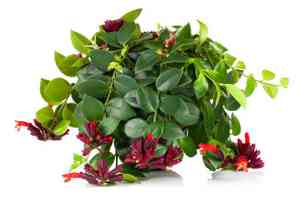
Lipstick plants flourish in well-lit areas, avoiding direct sun exposure.
2
The best period to transplant a Lipstick plant is in the beginning of spring.
3
Lipstick plants are capable of reaching lengths of up to 0.6 meters (2 feet).
Why Replant Your Lipstick plant?
Recognizing indicators that suggest it's time for a new container
The Lipstick plant, known for its vivid red blooms, signals its need for replanting through several clear signs. If you notice roots emerging from drainage openings or coiling within the pot, it indicates the plant requires more room. Other signs include the soil drying out rapidly after watering and slower or stunted development. Replanting addresses these issues, fostering a healthier environment for your plant.
Advantages of replanting for plant vitality and strength
Replanting your Lipstick plant offers numerous advantages. It replenishes the soil with vital nutrients, enhancing plant health, improving air circulation, and reducing the risk of root diseases. Furthermore, providing ample space for root expansion helps the plant achieve its lush, vibrant display of trailing vines and flowers.
Selecting the Appropriate Container for Your Lipstick plant
Considerations when choosing a new pot
When selecting a new pot for your Lipstick plant, evaluate its size, material, and drainage. The pot should be one size larger than the current one, approximately 2.5-5 cm (1-2 inches) wider in diameter. Choose a material that suits your aesthetic and climate â terracotta pots are breathable but can dry quickly, while plastic retains moisture better. Ensure the pot has sufficient drainage holes to prevent water accumulation.
Examining various pot types: their pros and cons
Different pot types present various benefits and drawbacks. Terracotta pots excel at providing good airflow to the roots but can lead to faster soil drying. Plastic pots are lightweight and retain moisture well but may offer poor breathability. Ceramic pots are visually appealing and often include good drainage, but they can be heavier and more expensive. The ideal pot type depends on your specific environment and the needs of your Lipstick plant.
Step-by-Step Guide to Replanting Lipstick plant
Preparing your work area and gathering necessary supplies
Begin by preparing a clean work area. Collect all essential tools: a new pot, fresh potting mix, gloves, a small hand trowel, and pruning shears. Having everything within reach will streamline the replanting process.
Steps to safely extract the plant from its current container
To safely remove your Lipstick plant from its current pot, water it 24 hours prior to replanting to minimize stress. Gently tilt the pot and tap its sides to loosen the soil. Hold the plant at its base and carefully pull it out. If the plant resists, use a trowel to loosen the edges.
Soil considerations and filling the new container
Fill the new pot with a layer of fresh potting mix specifically formulated for indoor plants. Ensure it contains components like perlite or peat moss for optimal drainage. Create a cavity in the center large enough to accommodate the root ball of your Lipstick plant.
Positioning the Lipstick plant and final adjustments
Position your Lipstick plant in the new pot, ensuring the root ball is centered. Fill in around the roots with additional soil, gently pressing down to eliminate air pockets. Leave about 2.5 cm (1 inch) from the top for watering. Conclude by watering the plant thoroughly to help it settle into its new home.
Aftercare: Ensuring a Smooth Transition for the Lipstick plant
Appropriate watering methods post-replanting
After replanting, water your Lipstick plant thoroughly but allow the top 2.5 cm (1 inch) of soil to dry before the next watering. This prevents waterlogging and promotes healthy root development. Maintain a consistent watering schedule to avoid stress.
Monitoring for signs of stress and aiding recovery
Observe your Lipstick plant for indications of stress, such as yellowing foliage or wilting. To support recovery, keep the plant in a stable environment with indirect light and avoid excessive movement. If you notice severe stress, consider misting the plant to increase humidity, which is beneficial for its growth.



