Boost Growth: How and When to Repot Your Haworth's aeonium Plant
1
The best times to transplant Haworth's aeonium are during spring and winter.
2
Transplanting helps avoid root constriction and encourages more robust development.
3
Properly draining soil is essential for a thriving, newly potted Haworth's aeonium.
The Importance of Repotting Your Haworth's Aeonium
Understanding the growth pattern of Haworth's aeonium
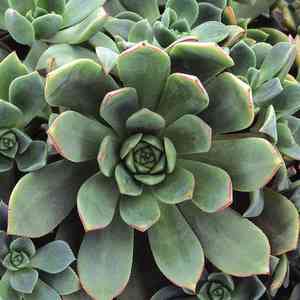
Haworth's aeonium is a succulent recognized for its vibrant rosette foliage and simple care. Repotting is a crucial aspect of its upkeep, guaranteeing the plant doesn't outgrow its container and has ample room for a robust root system. This plant typically experiences significant development during the cooler periods of spring and winter, making these optimal times for considering a transplant. Grasping its growth cycle will help you identify when your Haworth's aeonium requires more space to flourish.
Identifying indicators that it's time for a new pot
Recognizing when to transplant your Haworth's aeonium can prevent future issues. Watch for signs such as roots emerging from drainage holes, the plant becoming top-heavy and easily tipping over, or diminished growth despite adequate attention. These signals indicate your plant is prepared for a new home where it can continue to thrive.
Selecting the Appropriate Container and Substrate for Your Haworth's Aeonium
Choosing the optimal pot dimensions and material
When selecting a new container for your Haworth's aeonium, size and composition are important. It's best to pick a pot that is 2-5 centimeters (1-2 inches) wider in diameter than the current one. This provides root expansion space without excessive soil, which can retain too much moisture and lead to root decay. Terracotta pots are an excellent option as they facilitate superior airflow and moisture regulation.
The best soil mixes for proper drainage and development
Soil selection is vital for your Haworth's aeonium's health. A well-draining soil blend, such as a cactus or succulent-specific mix, is ideal. You can also formulate your own by combining 50% potting soil, 30% perlite or pumice, and 20% coarse sand. This mixture ensures excellent drainage, preventing roots from sitting in water, which is crucial for the plant's well-being.
Successful Repotting Procedures for Haworth's Aeonium
Preparing your plant and workspace in advance
Before commencing the repotting process, gather all necessary items: your new pot, suitable soil mix, a small trowel, and gloves. Ensure the work area is clean and well-lit. Carefully extract the Haworth's aeonium from its current pot by gently loosening the soil and lifting it out by the base, taking care not to harm the roots.
Detailed step-by-step repotting instructions
Fill the new container approximately one-third with fresh, well-draining substrate.Position the Haworth's aeonium in the pot's center, ensuring it's at the same depth as in its previous container.Add more soil around the plant, pressing gently to stabilize it.Lightly water the plant to help settle the soil, but avoid excessive watering.
Post-repotting care recommendations
After transplanting, allow your Haworth's aeonium a few days to acclimate in a shaded location before returning it to its usual spot. Initially, avoid direct sunlight, which can stress the plant as it adjusts to its new environment. Water sparingly, only when the top 2-3 centimeters (1 inch) of soil feels dry to the touch. This helps prevent overwatering and root rot.
Common Questions Regarding Haworth's Aeonium Repotting
How frequently should Haworth's aeonium be transplanted?
Generally, repotting every 2-3 years is adequate for Haworth's aeonium. However, if you observe signs of root-bound conditions or stunted growth sooner, do not hesitate to repot as needed.
Can Haworth's aeonium flourish indoors after repotting?
Haworth's aeonium can indeed thrive indoors, particularly in brightly lit areas. Placing the plant near a window that receives ample indirect sunlight is essential. Ensure the chosen location has good air circulation and that the plant is not exposed to excessive humidity or drafts.



