Boost Growth: How and When to Repot Your Desert rose Plant
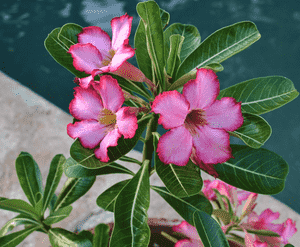
1
The best times to transplant a Desert rose are during Spring and Winter.
2
A Desert rose thrives in a sandy, well-aerated soil mixture.
3
Select a container that is marginally bigger than its present one and has adequate drainage.
The Importance of Repotting Your Desert Rose
Understanding the Growth Habits of Desert Rose
The Desert rose is admired for its vivid flowers and distinctive caudex. As it matures, the plant will eventually become too large for its container. Repotting is crucial to accommodate the expanding root system and to replenish the soil's nutrients. This ultimately promotes healthier development and more abundant blooming.
Indicators That Your Desert Rose Needs Repotting
Look for signs such as roots emerging from drainage holes, the plant becoming top-heavy, or stunted growth. These signals suggest your Desert rose requires more space to thrive, and it's time to move it to a larger pot.
Selecting the Optimal Time to Repot Desert Rose
Ideal Seasons for Repotting Desert Rose
The best times to repot a Desert rose are during spring and winter. Spring repotting allows the plant to benefit from the active growing season, encouraging strong development. Winter repotting, conversely, is suitable because the plant is in a dormant state, minimizing transplant shock.
Environmental and Weather Considerations
When repotting, aim for mild, consistent weather conditions. Avoid extreme temperatures, as they can stress the plant. Initially, repot your Desert rose away from direct sunlight, gradually reintroducing it to prevent shock.
Choosing the Perfect Soil and Container for Desert Rose
Appropriate Soil Types for Desert Rose
A well-draining, sandy soil mixture is vital for the health of your Desert rose. Seek out commercial cactus or succulent soil blends, as these provide the necessary drainage. You can also combine regular potting soil with perlite or sand to achieve the correct texture.
Selecting the Correct Pot Size and Material
Choose a pot that is slightly larger (2.5-5 cm or 1-2 inches in diameter) than the current one to provide ample root space. Terracotta pots are excellent for Desert rose as they allow for better air circulation and moisture evaporation. Ensure the pot has drainage holes to prevent waterlogging.
Step-by-Step Guide for Repotting Desert Rose
Preparing Your Plant and Tools
Gather all necessary equipment such as gloves, a small shovel, and a new container. Lightly water the Desert rose a day before repotting to keep the soil slightly moist, which makes removal easier and less stressful for the plant.
Removing Desert Rose from Its Current Container
Gently tilt the plant sideways and tap the bottom of the pot to release it. If it's resistant, use a knife to loosen the edges. Be careful not to harm the roots.
Transplanting and Post-Repotting Care Advice
Place the Desert rose in the new pot, ensuring the root ball is properly positioned. Fill around it with fresh soil, pressing gently to remove air pockets. Water the plant lightly and place it in a shaded area for a few days. Gradually reintroduce it to direct sunlight and resume normal watering after about a week.
Addressing Common Issues After Repotting Desert Rose
Managing Wilting or Leaf Drop
If your Desert rose appears wilted or sheds leaves after repotting, it might be experiencing transplant shock. Ensure it's not overwatered and slowly expose it to more light. Continue to monitor and maintain a stable environment.
Treating Root Rot or Other Ailments
Root rot can result from excessive moisture. If you suspect root rot, remove the plant from its pot, trim the affected roots, and replant in fresh, dry soil. Always use a pot with good drainage to prevent such problems in the future.



